
Fertilization
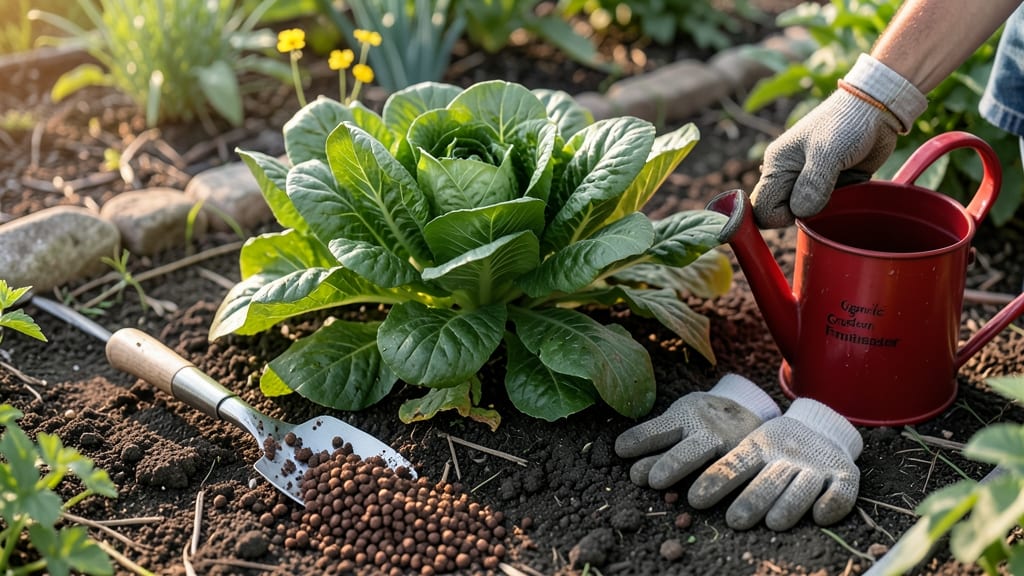
Using chicken fertilizer for gardens is one of the fastest ways to turn lackluster soil into a nutrient-rich powerhouse for your plants 🌱.
Struggling to grow bigger, healthier vegetables? Chicken manure isn’t just fertilizer—it’s a nutrient powerhouse that can transform your garden’s productivity overnight. But using it wrong risks burning plants or spreading disease. Here’s how to harness its full potential safely and effectively.
Most gardeners know compost improves soil, but few realize chicken manure delivers three times the nitrogen of cow manure while boosting phosphorus and potassium—key ingredients for lush foliage and abundant harvests.
The catch? Raw manure can scorch roots if applied directly, which is why timing and preparation matter just as much as the fertilizer itself.
In this guide, I’ll walk you through how to compost it properly, when to apply it for maximum growth, and which plants benefit most—plus the one mistake that ruins even the best intentions. Ready to turn your garden into a high-yield machine?
How to properly apply chicken manure fertilizer for maximum garden growth
Chicken manure is one of the most powerful organic fertilizers you can use in your garden, packed with three times the nitrogen of cow manure. But its raw form is too potent for direct application—it can burn plant roots and introduce harmful pathogens.
The key is proper composting and strategic application timing. Whether you're growing leafy greens, tomatoes, or berries, mastering this fertilizer will give your plants the boost they need without the risks.
Before diving in, it's crucial to understand that fresh chicken manure contains high ammonia levels that can scorch tender plants. That's why we recommend composting it for at least 3-6 months before use. This process also breaks down weed seeds and pathogens, making it safer for your garden beds.
The result? A rich, crumbly amendment that improves soil structure while feeding your plants with a balanced NPK ratio of roughly 2-2-1.
Now let's get practical. Here's your step-by-step guide to applying chicken manure fertilizer like a pro:
Collect fresh chicken manure from a reliable source (avoid manure with chemical treatments). Mix it with carbon-rich materials like straw or shredded leaves in a 3:1 ratio (carbon to nitrogen) to balance the heat during composting.
Turn the pile every 2-3 weeks to ensure even decomposition. The manure is ready when it looks dark brown, smells earthy, and resembles crumbly soil. This process kills pathogens and reduces ammonia levels.
Use a soil test kit to check your garden's pH and nutrient levels. Chicken manure works best in slightly acidic to neutral soil (pH 6.0-7.0). If your soil is already rich in nitrogen, reduce the application rate.
For vegetables and herbs, apply composted manure 2-3 months before planting (e.g., in early spring). For perennials and trees, spread it in early spring or fall when roots are actively growing.
Use 1-2 inches of composted manure per 100 square feet of garden bed. For container plants, mix 1 part manure with 3 parts potting soil. Never exceed these amounts to avoid nutrient overload.
Spread the manure evenly over the soil surface, then lightly till it into the top 6 inches of soil. For delicate plants like lettuce or radishes, top-dress instead of mixing to avoid disturbing roots.
After applying, water the area deeply to help nutrients penetrate the soil and prevent ammonia burn. Aim for 1-2 inches of water per week during the growing season.
Watch your plants for signs of over-fertilization (yellow leaves, stunted growth). Reapply composted manure every 3-4 months during the growing season, reducing amounts in late summer to avoid late-season flushes of tender growth.
One of the biggest mistakes gardeners make is applying fresh chicken manure directly to plants. The high ammonia content can burn roots and cause leaf scorch, especially in delicate vegetables like spinach or peas.
That's why composting is non-negotiable—it transforms raw manure into a safe, nutrient-dense soil amendment. For example, my tomato plants
Chicken manure vs. other organic fertilizers: nutrient comparison and benefits
Not all organic fertilizers are created equal, and chicken manure stands out as one of the most nutrient-dense options available. Packed with nitrogen, phosphorus, and potassium (NPK), it delivers rapid results for hungry plants like leafy greens and heavy feeders such as tomatoes.
But how does it compare to other organic amendments like compost, worm castings, or cow manure? Let’s break down the nutrients and ideal uses to help you choose the best fertilizer for your garden’s needs.
When selecting organic fertilizers, the NPK ratio tells you what nutrients your plants will receive most. Chicken manure typically offers a high nitrogen content (around 1.5–3%), making it perfect for foliage growth.
However, its phosphorus and potassium levels vary widely, often ranging from 0.5–1.5% each. This imbalance is why many gardeners compost it first—to stabilize nutrients and reduce the risk of burning plants.
Fresh vs. composted chicken manure makes a huge difference. Fresh manure can have ammonia levels high enough to scorch roots, while composted manure (aged 3–6 months) releases nutrients gradually. For comparison, compost generally has a balanced NPK ratio (around 0.5–1% each), while worm castings provide a gentler, low-nitrogen boost (around 0.2–0.5% nitrogen) ideal for delicate plants like herbs.
| Fertilizer Type | Nitrogen (%) | Phosphorus (%) | Potassium (%) | Best For |
|---|---|---|---|---|
| Chicken Manure (Fresh) | 1.5–3.0 | 0.5–1.5 | 0.5–1.5 | Leafy greens, heavy feeders (use composted) |
| Chicken Manure (Composted) | 1.0–2.0 | 0.7–1.2 | 0.7–1.2 | Vegetables, flowers, long-term soil health |
| Cow Manure | 0.5–1.0 | 0.2–0.5 | 0.3–0.8 | Root crops, perennials, slow-release nutrients |
| Worm Castings | 0.2–0.5 | 0.1–0.3 | 0.1–0.3 | Seedlings, potted plants, gentle feeding |
| Compost | 0.5–1.0 | 0.3–0.7 | 0.3–0.7 | All plants, soil structure, long-term fertility |
For leafy greens like spinach or kale, composted chicken manure is a game-changer due to its high nitrogen.
However, for root vegetables such as carrots or potatoes, cow manure or compost may be safer because they’re less likely to cause ammonia burns near developing roots. Worm castings, on the other hand, are ideal for seedlings and potted plants because they release nutrients slowly and improve soil structure without overwhelming tender roots.
One of the biggest advantages of chicken manure over synthetic fertilizers is its long-term soil health benefits. Unlike chemical fertilizers, which provide quick but temporary nutrients, organic options like chicken manure improve soil microbial activity and water retention.
This means your garden won’t just produce bigger harvests this season—it’ll set the stage for years of fertile soil. To maximize these benefits, mix it into the soil at least 2–3 months before planting to allow time for decomposition.
If you’re growing fruit trees or flowering plants, consider blending chicken manure with compost to balance its high nitrogen with additional phosphorus and potassium.
For example, a 50/50 mix of composted chicken manure and compost ensures your tomatoes or peppers get the foliage growth they need without neglecting fruit development. Always remember: less is more—start with a 1-inch layer and adjust based on your plants’ response.
For gardeners who love data, chicken manure’s NPK ratio makes it a standout for fast-growing crops, but its high salt content means it should never be used directly around seedlings.
Pair it with mulch or compost to dilute its intensity and create a nutrient-rich environment that supports both <