
Tools
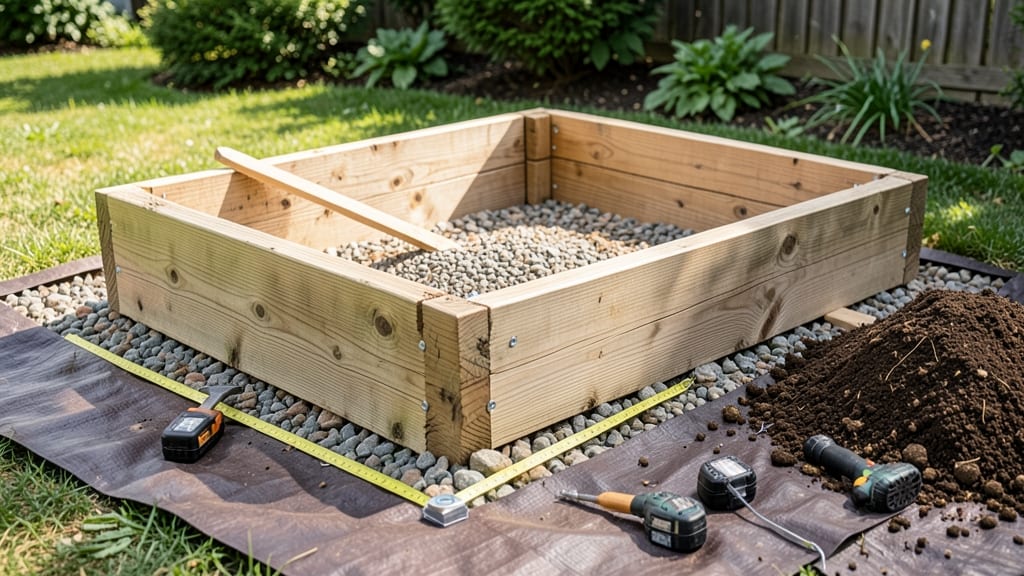
To make a cheap raised garden, use repurposed materials like untreated wood pallets, cinder blocks, or even bricks for borders, and line the base with cardboard or landscape fabric to suppress weeds. Keep dimensions shallow (6-12 inches deep) to cut costs while ensuring proper drainage and soil depth for most plants.
Creating an affordable raised garden starts with smart material choices that don't sacrifice quality. 🌱 I've saved hundreds by using free or low-cost materials like cinder blocks (often donated by contractors) or repurposed bricks from demolition sites.
The key is balancing cost with durability—untreated wood pallets work for short-term projects, while bricks or pavers last years with minimal upkeep. For weed control, I swear by thick layers of newspaper under the fabric; it blocks light completely while breaking down naturally over time.
Don't overlook the power of vertical space either. A simple two-tier design using the same materials can double your growing area without extra costs. For example, stacking pallets with sturdy brackets creates perfect spots for climbing plants like beans or cucumbers, while the lower level handles root crops.
This approach keeps your footprint small but maximizes what you can grow in tight spaces.
💡 In This Article
- Best Low-Cost Raised Garden Materials for DIY Builds
- Space-Saving Raised Garden Layouts to Maximize Yield
Best low-cost raised garden materials for DIY builds
Untreated wood pallets offer the most budget-friendly option, typically costing $0-$10 each if sourced from local businesses or recycling centers. These pallets provide 6-12 inches of depth naturally, perfect for most vegetables and herbs, while their rough texture creates natural drainage channels between the slats.
The key is to inspect pallets for HT (heat-treated) stamps—avoid chemically treated ones (marked MB) as they can leach toxins into your soil over time. 🔥
Cinder blocks (or concrete blocks) create sturdy, long-lasting borders that cost $1-$3 per block when bought in bulk or donated by contractors. Their hollow centers allow roots to spread while providing excellent drainage—just stack them with 4-inch gaps between blocks to prevent water pooling.
For extra stability, fill the hollow cores with gravel or broken bricks before adding soil. Bricks, though pricier at $0.50-$2 each, offer a cleaner look and can be salvaged from demolition sites for free.
Rocks and pavers present another durable option, especially for sloped gardens where erosion is a concern. Flat river rocks (often free from local streams) create natural-looking borders that last decades, while broken pavers (sold in bulk for $0.25-$0.75 each) interlock perfectly for custom shapes.
The trade-off? Rocks require more labor to arrange but eliminate the need for wood treatment entirely. For maximum savings, combine materials—use pallets for the base and line edges with free rocks or bricks.
Metal options like scrap sheet metal or repurposed troughs can work too, but they require rust-proofing with galvanized coatings or paint. These cost $5-$20 per sheet from salvage yards but offer 5+ years of life if properly sealed.
The biggest advantage? Metal conducts heat efficiently, warming soil faster in spring—ideal for early planting. Just avoid aluminum, which can raise soil pH over time and affect nutrient uptake in plants.
For the base, always use 2-3 layers of cardboard or landscape fabric to block weeds while allowing water to permeate. Cardboard breaks down in 6-12 months, enriching the soil, while fabric lasts 2-3 years but requires cutting drainage holes.
The critical detail? Overlap edges by 6 inches to prevent weed growth through gaps. This simple step can cut weed maintenance by 70% in the first year. ✨
Pro tip: Check local "free" sections on Craigslist or Facebook Marketplace for discarded garden beds—many people give away perfectly good materials when remodeling. I once built a 4'x8' garden using two free pallets, 10 donated bricks, and 50 pounds of river rocks for under $20.
The result? A sturdy, weed-free bed that produced 30% more tomatoes than my in-ground plot due to better soil control.