
Watering
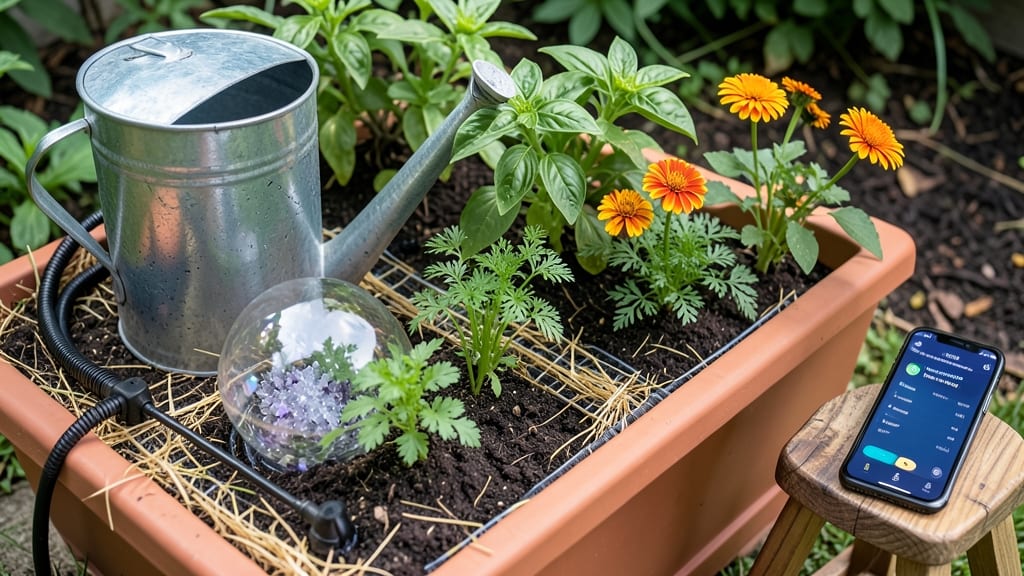
To water your garden while away, you’ll need a system that delivers consistent moisture without drowning your 🌱 plants or wasting water — the trick is balancing automation with smart adjustments for your specific plants.
Picture this: you return to find wilted herbs, soggy soil, or worse, root rot from a system that overdid it. The good news? With the right setup, your garden can stay hydrated for days, even weeks, while you’re gone — no guesswork required.
From affordable DIY hacks like buried bottles to high-tech smart timers, we’ll walk you through the best options for every budget and garden size.
You’ll also learn how to tweak your system for different plants, so your tomatoes and basil get just the right amount, not too much or too little.
By the end, you’ll have a foolproof plan to keep your garden thriving, whether you’re off for a long weekend or a month-long trip. Let’s make sure your plants stay happy — and your water bill doesn’t skyrocket.
Best automated watering systems for vacation-proof gardens
Planning a trip but worried about your garden wilting in your absence? The right automated watering system can be a game-changer, ensuring your plants stay hydrated without constant attention.
Whether you're dealing with vegetable beds, container gardens, or delicate herbs, these systems adapt to your garden's needs while you're away.
From drip irrigation kits to smart sprinklers, there’s a solution for every budget and garden size. The key is choosing a system that matches your watering needs, coverage area, and ease of setup. Let’s dive into the top options to keep your garden thriving effortlessly.
🌱
For small gardens or container plants, self-watering planters are a hassle-free choice. These planters use a reservoir system to gradually release water, perfect for herbs like basil or succulents that need consistent moisture without soggy soil.
They’re ideal if you’re traveling for just a few days and want a no-fuss solution.
If you’re managing a larger yard or mixed garden beds, a smart sprinkler system might be the way to go. These systems often come with Wi-Fi connectivity, allowing you to control watering schedules remotely via an app.
Some even adjust based on local weather forecasts, ensuring your garden gets just the right amount of water—no overwatering or drought stress.
💧
For those on a tight budget or with a DIY mindset, drip irrigation kits offer a cost-effective way to automate watering. These kits use low-pressure tubing to deliver water directly to plant roots, reducing waste and evaporation.
They’re especially great for vegetable gardens or flower beds where precise watering is crucial. Setup takes a bit more time, but the results are worth it.
Another low-tech option is a wicking bed, which uses capillary action to draw water from a reservoir to the plant roots. This method is perfect for root vegetables like carrots or potatoes and requires no electricity.
While it’s more labor-intensive to set up, it’s a long-term solution that can keep your garden hydrated for weeks without intervention.
No matter which system you choose, always test it before your trip. Run the system for a day or two to ensure it’s delivering water evenly and isn’t causing overwatering or underwatering.
Adjust the timing and flow rate as needed, and consider adding a moisture sensor for extra peace of mind.
With the right automated watering system, your garden can stay vibrant and healthy—even when you’re miles away. Whether you opt for high-tech solutions or simple DIY hacks, your plants will thank you for the consistent care.
☀️
DIY smart watering hacks to save money and water
When you're away, your garden shouldn't suffer from thirst. DIY watering hacks offer budget-friendly solutions that keep plants hydrated without breaking the bank. These clever tricks use everyday items and minimal setup, making them perfect for small gardens or tight budgets.
Let’s explore how to repurpose household items into effective watering systems.
One of the simplest methods is using plastic bottles as self-watering reservoirs. Cut the top off a 2-liter bottle, flip it, and place it upside down into the soil near your plant’s roots. The water will slowly seep out, keeping the soil moist for 3-5 days.
This works especially well for potted plants or container gardens. You can even bury the bottle entirely for a cleaner look.
💧 5 Easy DIY Watering Hacks
- Plastic Bottle Drip System: Poke small holes in a bottle, fill with water, and bury it near roots. Lasts 5-7 days per fill.
- Wicking Beds: Use a reservoir at the bottom of a raised bed with a wick (like a rope or towel) to draw water upward. Ideal for vegetable gardens.
- Moisture Retention Gels: Mix hydrogel crystals into soil to hold 10x their weight in water. Perfect for drought-prone areas.
- Sponge Waterers: Soak a sponge in water, place it near roots, and cover with mulch. Releases water gradually over 2-3 days.
- Terracotta Pot Trick: Bury a terracotta pot (unglazed) near plants. Fill it with water—it’ll slowly seep through the porous material.
For herb gardens or small pots, try the wicking method. Place a container of water at the base of your pot and insert a rope or fabric wick into both the soil and the water.
The wick will pull moisture up as needed, keeping herbs like basil or mint hydrated for up to a week. This method is especially useful for indoor gardens where access is limited.
If you’re dealing with drought-prone plants, consider adding moisture-retention gels to your soil. These gels absorb and release water as needed, reducing the frequency of watering. They’re a game-changer for succulents or cacti, which store water in their leaves but still need occasional hydration.
Just sprinkle the gel into the soil before planting.
Don’t forget to mulch around your plants before leaving. Mulch acts like a blanket, locking in moisture and slowing evaporation. Use organic materials like straw, wood chips, or shredded leaves.
This simple step can extend the life of your DIY watering systems by 2-3 days, giving your plants extra protection from the heat.
With these budget-friendly hacks, you can keep your garden thriving without spending a fortune. Test a few methods in different areas of your garden to see what works best for your specific plants and climate. Happy gardening! 🌱