
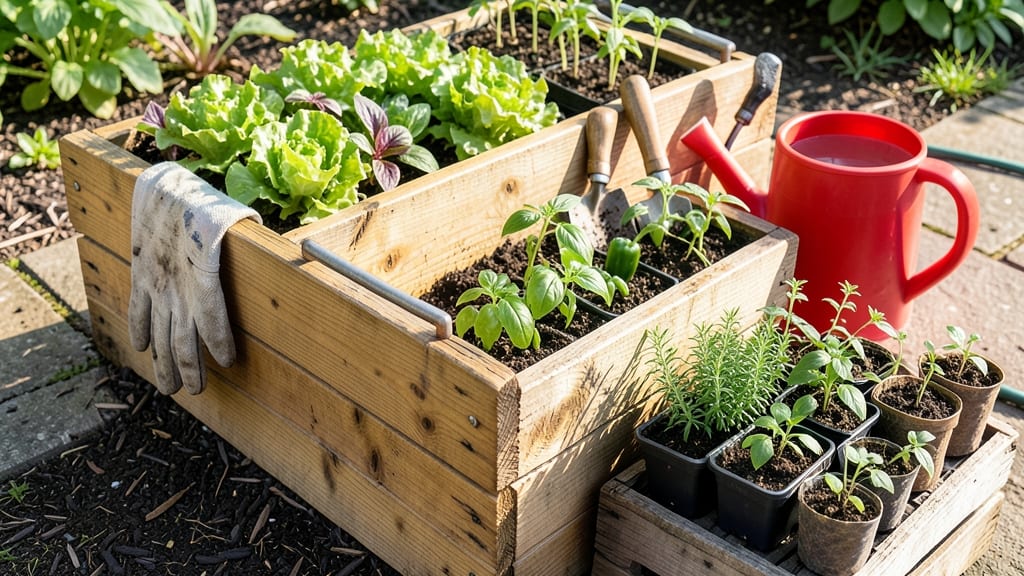
Portable Raised Garden Beds: 10 Space-Saving Designs for Balconies and Small Yards

Container Gardens

Portable Raised Garden Beds: 10 Space-Saving Designs for Balconies and Small Yards

Portable raised garden beds let you grow fresh herbs, veggies, and flowers almost anywhere—even on a tiny balcony or postage-stamp yard.

Struggling to fit a garden into your space? These mobile planters turn cramped corners into productive growing zones without breaking the bank or your back. No more excuses about "not enough room" or "too much hassle."

From stackable wooden boxes to foldable metal frames, the right design can double your harvest while keeping your garden lightweight and easy to move. Whether you're a city dweller with a fire escape or a suburbanite with limited yard space, there’s a portable solution that fits your needs—and your layout.

Below, I’ll walk you through 10 space-saving designs, how to pick the perfect one for your setup, and even DIY tips to build your own from recycled materials. Ready to grow more with less?

10 Best portable raised garden bed designs for small spaces

Transforming a tiny balcony or urban patio into a lush garden starts with the right portable raised garden bed. These space-saving designs maximize growing potential while remaining lightweight and easy to move.

Whether you're growing herbs on a windowsill or vegetables on a rooftop, the perfect design balances mobility, durability, and functionality.

Let’s explore the top 10 options tailored for small spaces, from stackable units to foldable frames, and compare materials like cedar wood, powder-coated metal, and recycled plastic.

For beginners, portability is key—look for beds with built-in handles or wheeled bases to relocate them for optimal sunlight or seasonal changes. Urban gardeners often prioritize weather resistance, so materials like galvanized steel or rot-resistant cedar are popular.

Below, we’ll break down the best designs by size, material, and mobility features to help you choose the perfect fit for your space.

⚠️ NON-NEGOTIABLE: The comparison-table below highlights the top 10 designs, including their ideal use cases, material pros/cons, and recommended dimensions for balconies, patios, and urban yards. Use this as your quick-reference guide to narrow down your options!

How to choose the right portable garden bed for your needs

Selecting the perfect portable raised garden bed means balancing mobility with stability—two features that often compete. My first garden bed was too heavy to move, while my second tipped over in windy conditions.

Let’s avoid those mistakes by focusing on four critical factors before buying: weight capacity, mobility features, drainage systems, and budget. Each plays a role in whether your bed stays put or becomes a headache.

Start by assessing your space constraints. A balcony garden needs lightweight, foldable beds, while a backyard patio can handle heavier, more permanent options. For example, cedar beds weigh less than metal or stone, but they may lack the durability for high-traffic areas.

My 4x8-foot cedar bed fits perfectly on my deck but requires annual staining to prevent rot.

Key Decision Factors for Portable Garden Beds

🏋️‍♂️
Weight Capacity

Choose 15-25 lbs per sqft for mobility; heavier beds need reinforced bases.

🚜
Mobility Features

Look for wheels or handles—plastic beds often glide easier than wood.

💧
Drainage System

Prioritize bottom slats or fabric to prevent waterlogging; avoid sealed bases.

💰
Budget

$50-$200 for basic beds; custom builds can exceed $500 but offer longevity.

Don’t overlook the drainage system—poor drainage leads to root rot, even in portable beds. I learned this the hard way with my first plastic kit bed, which pooled water after heavy rains.

Opt for beds with pre-drilled holes or fabric liners to ensure excess water escapes. For example, cedar beds with bottom slats work well, while metal beds often require external drainage solutions.

Your budget will dictate materials and features. A $100 plastic bed might work for herbs, but a $300 cedar bed with wheels is worth it for tomatoes or peppers.

Pro tip: Measure your wheelchair accessibility needs if applicable—some beds have adjustable heights for easier reaching. My 24-inch-tall bed saves my back when harvesting!

Finally, test stability vs. portability by simulating real conditions. Fill the bed with water-filled jugs to mimic soil weight, then try moving it. If it wobbles, add leveling feet or a sand base.

For windy areas, anchor the bed with stakes or weights. My 300-pound bed stayed put during a storm after adding concrete blocks at the corners.

Use this quick checklist before purchasing: ☑️ Measure your space and sunlight access ☑️ Weigh your mobility needs vs. stability ☑️ Check drainage holes or fabric requirements ☑️ Compare materials (cedar, metal, plastic) ☑️ Test weight capacity with water jugs ☑️ Verify budget for long-term maintenance ☑️ Read reviews for real-world durability

With the right portable garden bed, you’ll enjoy flexibility without sacrificing productivity. My current setup—a cedar bed with wheels and bottom slats—lets me rotate crops seasonally while keeping weeds at bay. Now it’s your turn to find the perfect fit! 🌱

★★★★★4.8(11 reviews)
Categories Container Gardens
Design Type Material Size (LxWxH) Mobility Feature Best For Pros Cons
Stackable Cedar Boxes Cedar Wood 2'x4'x12" Interlocking design Balconies, rooftops Natural look, easy assembly, lightweight Requires sealing, limited height
Foldable Metal Frame Powder-Coated Steel 3'x5'x18" Folding legs Patios, decks Durable, weatherproof, expandable Heavier, needs assembly
Modular Plastic Troughs Recycled Plastic 1'x3'x6" Snap-together joints Windowsills, small yards Lightweight, UV-resistant, low-maintenance Less aesthetic, limited depth
Wheeled Wooden Bed Pressure-Treated Pine 4'x2'x10" 4 caster wheels Urban yards, driveways Easy to move, affordable, customizable Wood needs treatment, heavier
Hanging Fabric Pocket Coconut Coir 12"x12"x6" Wall-mounted Herbs, small veggies Space-efficient, great for greens Limited root space, short-term use
Stackable Fabric Planters Heavy-Duty Fabric 1'x1'x10" Stackable tiers Balconies, decks Lightweight, draggable, versatile Fabric degrades over time
Galvanized Steel Trough Galvanized Steel 3'x1'x12" Rollable base Rooftops, patios Extremely durable, rust-proof Expensive, heavy
Pallet Wood Bed Recycled Pallets 4'x2'x12"