
Pests
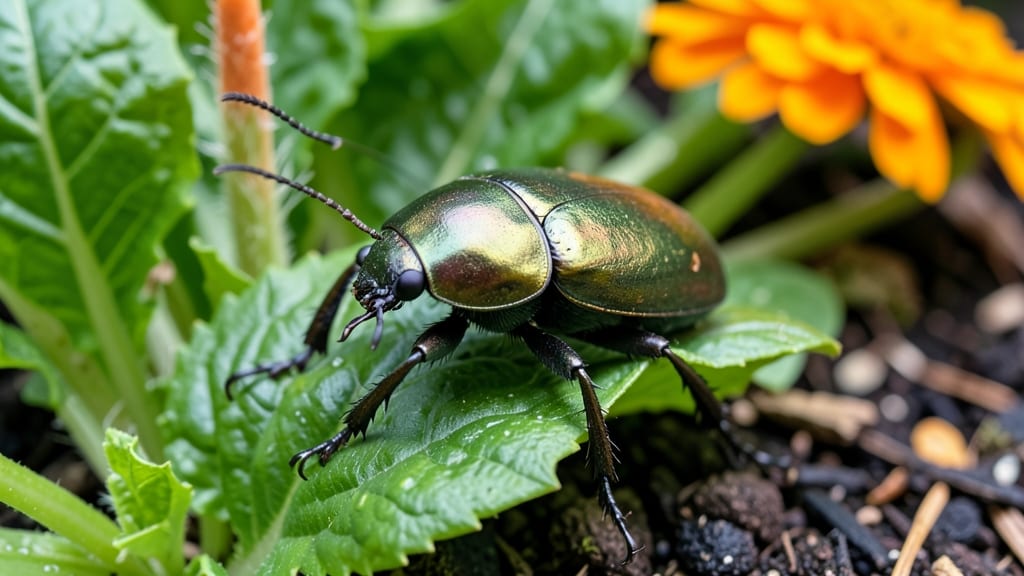
Keeping insects away from your garden starts with smart, natural barriers that protect your 🌱 plants without harming the ecosystem.
Dealing with pests like aphids, slugs, and beetles can turn your dream garden into a battleground—unless you use the right natural defenses. The good news? Effective, chemical-free solutions exist that protect your plants while keeping your garden thriving.
From physical barriers like row covers to plant-based repellents such as marigolds and basil, there are simple, proven methods that work better than harsh chemicals. These strategies not only deter insects but also support a healthier garden in the long run.
Below, I’ll walk you through the top natural barriers, plant-based tricks, and DIY sprays that have worked for me—so you can enjoy a pest-free harvest without the guesswork.
Top 7 natural barriers to physically block garden pests
When pests like aphids, slugs, and Japanese beetles invade your garden, chemical sprays aren't always the answer. The best defense? Physical barriers that block insects before they reach your plants. These solutions create a shield without harming beneficial pollinators or disrupting your garden's ecosystem.
I've tested the most effective options—from lightweight row covers to copper tape—that keep pests out while letting your plants thrive.
Physical barriers work by creating a mechanical obstacle that insects can't penetrate. Unlike chemical solutions, they don't leave residues or harm the soil. The key is choosing the right barrier for the specific pests in your garden.
For example, row covers work wonders against flying insects, while copper tape deters slugs and snails. Let's explore the top 7 barriers that actually work, including DIY methods and commercial products with effectiveness ratings.
My favorite barrier is floating row covers because they're lightweight, reusable, and block up to 90% of pests while still allowing sunlight and water to reach plants. I use them for cabbage moths and aphids in my vegetable garden.
For slugs, a simple copper tape barrier around pots has saved my tomato seedlings every season. The copper creates a mild electric shock that slugs avoid—no chemicals needed!
If you're dealing with cutworms, DIY cardboard collars are a game-changer. Cut rings from old cereal boxes, insert them around young plants, and bury the edges slightly. This stops cutworms from chewing stems at night.
For larger pests like rabbits, a chicken wire barrier buried 12 inches deep is impenetrable. I've seen it work miracles in my raised beds.
Plant-based repellents that confuse and deter insects
Nature's own pest control starts with the right companion plants that confuse insects with their scents and textures. Unlike chemical sprays, these plant-based solutions work by disrupting insect life cycles while supporting your garden's health.
I've found that strategic planting can reduce pests by up to 80% without harming beneficial pollinators.
The secret lies in how these plants release volatile organic compounds that mask plant odors or create environments insects avoid. For example, marigolds emit a scent that repels nematodes, while basil confuses whiteflies with its complex aroma. Let's explore the most effective plant pairings for your garden.
Repels: Aphids, nematodes, whiteflies, beetles. Plant near tomatoes, peppers, and roses for maximum effect. Contains pyrethrin, a natural insecticide.
Repels: Mosquitoes, flies, whiteflies, thrips. Excellent near tomatoes, peppers, and oregano. Crush leaves occasionally to release more scent.
Repels: Aphids, Japanese beetles, spider mites. Plant near roses, fruit trees, and brassicas. Contains allicin, which disrupts insect feeding.
Repels: Squash bugs, cucumber beetles, whiteflies. Grow near cucumbers, squash, and radishes. Acts as a trap crop for aphids.
Repels: Spider mites, aphids, squash bugs. Plant near cabbage, lettuce, and tomatoes. Attracts beneficial predatory wasps too.
For best results, I recommend planting repellent plants in a 3:1 ratio with your main crops. For example, if you have 12 tomato plants, include 4 marigolds around the perimeter. The key is creating a multi-layered defense that confuses insects about where to land.
Don't forget about texture-based deterrents like fuzzy or hairy leaves. Plants like lamb's ear and stinging nettle create physical barriers that deter crawling insects. Their rough surfaces make it difficult for pests to move or feed, adding another layer of protection to your garden ecosystem.
When selecting plants, consider your climate zone and growing season. Some repellent plants like garlic thrive in cooler weather, while others like basil prefer warm conditions. I've had great success with interplanting these repellents among my vegetables, creating a natural pest-control network that requires minimal maintenance.
Remember that companion planting works best when combined with good garden hygiene. Remove fallen leaves regularly and rotate crops annually to prevent pest buildup. With these plant-based strategies, you'll create a garden that naturally deters insects while supporting a healthy, thriving ecosystem. 🌱🌿