
Tools
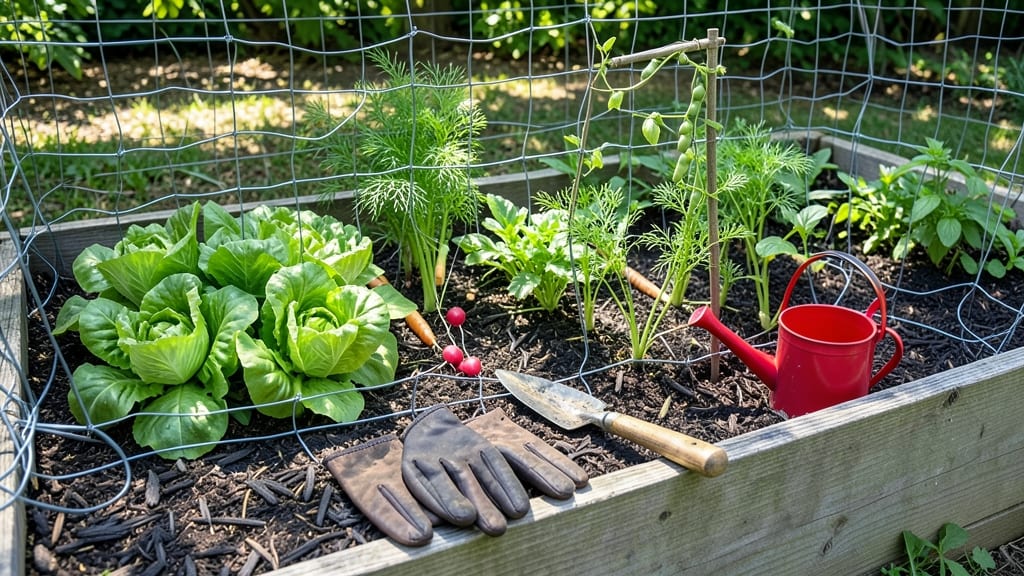
A chicken wire vegetable garden is one of the simplest ways to protect your crops while maximizing space—whether you're battling rabbits, wind, or just tight rows.
Picture this: you’ve spent weeks nurturing your 🥬 garden, only to wake up one morning and find half your lettuce trampled or your tomatoes chewed to the vine. A sturdy barrier like chicken wire can turn that frustration into prevention, without breaking the bank or cluttering your yard.
Beyond just fencing, this versatile material can create raised beds, trellises for climbing plants, or even windbreaks to shield delicate greens. The best part? It’s lightweight, reusable, and lets you adapt your setup as your garden grows—no permanent installation required.
In this guide, I’ll walk you through 7 smart ways to use chicken wire in your vegetable garden, from DIY pest barriers to space-saving vertical supports, so you can keep your harvest safe and your layout flexible.
7 Creative ways to use chicken wire in your vegetable garden
If you're like me, you've probably used chicken wire as basic fencing to keep critters out of your garden—but did you know it can do so much more? This inexpensive, flexible material is a gardener's secret weapon for maximizing space, protecting plants, and even improving soil health.
I've found that chicken wire transforms my vegetable garden into a multi-functional space without breaking the bank or taking up extra room.
Beyond its traditional use, chicken wire can create raised bed frames, vertical trellises, and even windbreaks that protect delicate plants. The best part? Most of these projects require just a few hours and minimal tools.
Whether you're dealing with rabbits nibbling your lettuce, tomatoes sprawling everywhere, or wind damage in exposed areas, chicken wire offers practical solutions that work for any garden size.
Here are my top 7 ways to repurpose chicken wire in your vegetable garden—each designed to save space, boost productivity, and keep your hard work safe from pests and the elements.
Bend chicken wire into rectangular frames and layer with wood or cinder blocks to create lightweight, custom-sized raised beds. Perfect for small spaces or uneven terrain.
Wrap wire around stakes or bend into A-frames to support cucumbers, beans, or pole beans. Saves floor space and keeps vines off the ground.
Form wire into low walls around seedlings or young plants to block rabbits, deer, and even curious pets. Bury edges slightly to deter digging.
Weave wire into panels and lean against stakes to shield delicate greens or shallow-rooted herbs from harsh winds. Store flat when not in use.
Build cylindrical cages for tomatoes, peppers, or eggplants by bending wire into hoops and securing with zip ties. Prevents sprawl and disease.
Lay flat sections of wire on sloped areas to stabilize soil and prevent washout. Combine with mulch for extra protection during heavy rains.
Create obelisks or teepees by bending wire into shapes and securing at the base. Ideal for peas, squash, or malabar spinach.
One of my favorite projects is using chicken wire to create custom-sized raised beds in tight corners of my garden. I simply bent the wire into rectangles, layered it with cinder blocks, and filled it with compost-rich soil.
The result? A portable, pest-resistant growing space that fits perfectly in my urban backyard. Plus, I can move it around as needed—something I couldn’t do with permanent wood frames.
For vertical gardening, I’ve had great success with wire trellises. Last summer, I wrapped chicken wire around bamboo stakes to support my cucumber vines. Not only did this keep the plants off the ground (reducing disease risk), but it also freed up valuable floor space for other crops.
I was able to grow twice as many cucumbers in the same area!
If you're dealing with windy conditions, don’t underestimate the power of a simple chicken wire windbreak. I placed a few panels around my lettuce and spinach beds during spring storms, and the difference was immediate.
The greens stayed upright, and I didn’t lose a single leaf to wind damage. It’s a game-changer for anyone with an exposed garden.
Another clever trick I picked up is using chicken wire to create protective cages for my tomato plants. By bending the wire into hoops and securing them around the base, I’ve been able to keep hornworms and squirrels from feasting on my hard work
Chicken wire vs. other garden protective materials: pros, cons, and cost comparison
When protecting your vegetable garden from critters, wind, or erosion, chicken wire is often the first tool I reach for. But is it the best choice?
Let's compare it to other protective materials like mesh netting, hardware cloth, and plastic barriers to help you decide what works best for your garden's needs.
Chicken wire is my go-to for its affordability and versatility. It's lightweight, easy to bend, and perfect for quick projects like pest barriers or trellises. However, it's not the strongest option for heavy-duty protection. Let's break down the pros and cons of chicken wire compared to its alternatives.
🌱 Chicken Wire
- ✅ Pros:
- ✔ Budget-friendly ($5-$15 per roll)
- ✔ Flexible for DIY projects
- ✔ Lightweight and easy to handle
- ✔ Reusable for multiple seasons
- ❌ Cons:
- ✖ Not durable against strong animals (e.g., raccoons)
- ✖ Large gaps (1" squares) let small pests through
- ✖ Rusts easily if left exposed to moisture
🪲 Hardware Cloth
- ✅ Pros:
- ✔ Durable against gnawing animals
- ✔ Smaller gaps (1/4" or 1/2") for better pest control
- ✔ Rust-resistant if galvanized
- ❌ Cons:
- ✖ Expensive ($20-$40 per roll)
- ✖ Heavy and harder to bend
- ✖ Less flexible for creative projects
🌿 Mesh Netting
- ✅ Pros:
- ✔ Lightweight and easy to install
- ✔ Good for windbreaks and lightweight trellises
- ✔ Affordable ($10-$25 per roll)
- ❌ Cons:
- ✖ Not durable against strong animals
- ✖ Can tear in high winds
- ✖ Limited reuse due to UV degradation
🛡️ Plastic Barriers
- ✅ Pros:
- ✔ Cheap ($5-$15 per roll)
- ✔ Lightweight and easy to move
- ✔ UV-resistant options available
- ❌ Cons:
- ✖ Brittle and can crack in cold
- ✖ Not reusable long-term
- ✖ Limited durability against animals
For small gardens or light pest control, chicken wire is my top recommendation due to its cost-effectiveness and flexibility. If you're dealing with determined pests like rabbits or deer, hardware cloth is the better investment despite the higher cost.
For windbreaks or temporary trellises, mesh netting is a great middle-ground option.
When choosing materials, consider your specific needs: durability vs. cost vs. ease of use. For example, I use chicken wire for seasonal projects like