
Tools
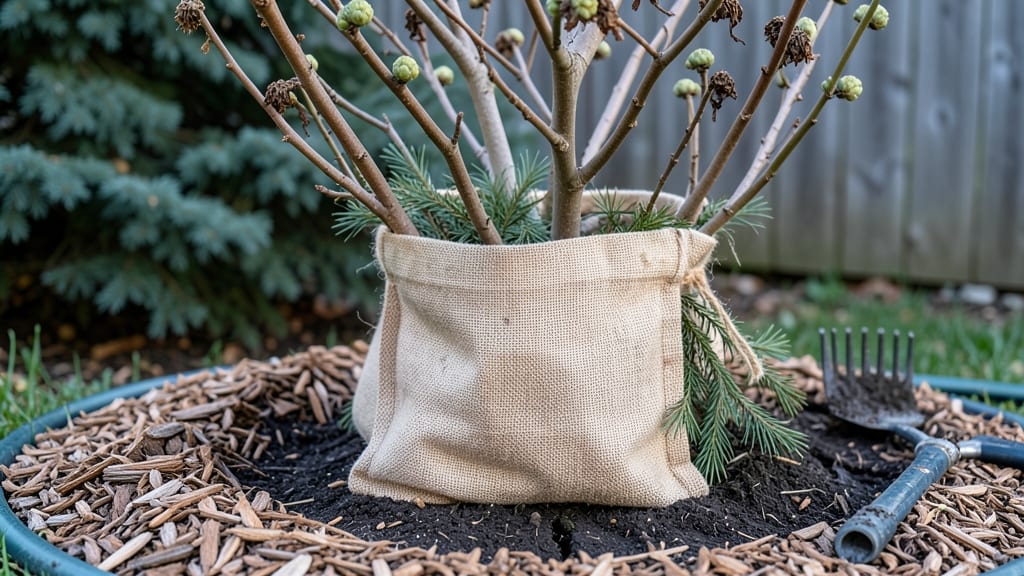
Winter protection for your garden is the key to keeping plants alive and thriving through the coldest months ❄️.
Freezing temperatures don’t have to mean the end of your garden—with the right winter protection techniques, you can shield delicate plants from frost damage and extend their growing season well into the colder months.
Whether you’re dealing with Zone 6a’s first frost or just want to give tender perennials a fighting chance, layering insulation, mulch, and shelter is your secret weapon.
Below, I’ll walk you through simple, effective methods—from row covers to DIY blankets—that keep roots warm, leaves frost-free, and your garden ready for spring without breaking the bank.
Layering techniques for maximum frost protection in gardens
When freezing temperatures roll in, your garden doesn’t have to become a frozen wasteland. Layering is the secret weapon gardeners use to create a protective barrier around plants, trapping heat near the soil and shielding delicate foliage from frost damage.
This method mimics nature’s insulation—just like how snow blankets the ground to protect roots, layering builds a custom defense system for your plants.
The science behind layering is simple: air pockets act as insulation. When you stack materials like mulch, row covers, or blankets, you create tiny air spaces that slow heat loss. This can raise soil temperatures by 5-10°F, giving tender plants a fighting chance against overnight frosts.
Think of it like dressing your garden in layers—each one adds another shield against the cold.
Not all plants need the same level of protection. Perennials with established root systems can handle a light layer of mulch, while tender annuals like basil or tomatoes might need a full winter blanket setup.
The key is understanding which layering techniques work best for your specific plants and climate zone.
Here’s how each layer contributes to frost protection, from the ground up:
| Layer Type | Purpose | Best For | Temperature Protection | Application Tips |
|---|---|---|---|---|
| Mulch (Straw/Hay) | Insulates soil, prevents freeze-thaw cycles | Perennials, shrubs, bulbs | 3-5°F warmer soil | Apply 3-4 inches after first frost |
| Row Covers (Frost Cloth) | Traps radiant heat, blocks wind | Vegetables, herbs, young plants | 5-8°F warmer air | Secure with stakes/bricks; remove during day |
| Cloches (Glass/Plastic) | Creates microclimate, captures sunlight | Tender perennials, citrus, succulents | 10-15°F warmer inside | Ventilate on sunny days; use for short-term frosts |
| Insulation Blankets (Burlap) | Blocks wind, retains moisture | Trees, large shrubs, roses | 2-4°F warmer air | Wrap loosely; avoid suffocating plants |
| Snow Cover | Natural insulator, regulates temperature | All plants (organic option) | 5-10°F warmer soil | Leave undisturbed; adds 1" organic layer |
Let’s start with the foundation: mulching. A 3-4 inch layer of straw or leaves acts like a cozy blanket for your soil. It prevents freeze-thaw cycles that can heave roots out of the ground, while also retaining moisture.
For woody plants like roses or fruit trees, mound soil or mulch around the base up to the graft union to protect vulnerable areas.
Next up are row covers and frost cloth, which are lightweight but powerful. These fabrics allow sunlight to penetrate while trapping heat near the plant. For a light frost warning, drape the cover over your plants in the evening and remove it during the day to prevent overheating.
Pro tip: Use bricks or clips to secure the edges and keep wind from tearing it away.
For extreme cold snaps, individual plant protection is key. Cloches—whether glass jars, plastic domes, or even overturned buckets—create mini greenhouses around delicate plants. Place them directly over tender perennials like lavender or citrus trees in containers.
Remember to prop them open slightly during the day to prevent condensation buildup, which can lead to fungal diseases.
Don’t overlook the power of windbreaks either. A simple wooden fence or even a row of evergreens can reduce wind chill by 10°F or more. Wind is the enemy of frost protection—it whips away the insulating air layer around plants, making them more vulnerable.
Combine windbreaks with other layers for maximum effectiveness.
When applying layers, think bottom-up. Start with mulch to protect the roots, then add row covers or blankets for above-ground protection.
For potted plants, move them to a sheltered location like a garage or under an eave, then wrap the pots in bubble wrap or old towels for extra insulation. This layered approach ensures your plants stay safe from root zone freezing to leaf damage.
Timing is everything. Apply your first layer of mulch after the first frost but before the ground freezes solid. For row covers and cloches, wait until a frost warning is issued, then act quickly.
The goal is to give your plants a head start on surviving the cold without shocking them with sudden changes in temperature.
Finally, don’t forget to monitor your garden throughout winter. Check layers periodically to ensure they’re still in place and not rotting or compacting. If you notice ice buildup
Best materials for winterizing different plant types
Winterizing your garden isn’t one-size-fits-all—each plant type needs tailored protection to survive freezing temperatures. Perennials, shrubs, annuals, and tender plants all have unique needs, from insulation to breathability. Choosing the right material can mean the difference between thriving roots and frost-killed foliage.
Let’s break down the best options for each plant category, including budget-friendly swaps that work just as well.
For perennials, the goal is to shield their roots from extreme cold while allowing airflow to prevent rot. Organic mulches like straw or leaves are my go-to because they decompose slowly, adding nutrients back to the soil.
A 3-4 inch layer applied after the first frost creates a natural insulating blanket. If you’re on a budget, shredded newspaper or cardboard works too—just make sure it’s covered with a thin layer of soil to keep it in place.
Shrubs and woody plants often need a combination of root protection and stem insulation. Wrapping trunks with burlap or burlap sacks prevents sunscald and rodent damage, while a thick layer of mulch (like wood chips) around the base keeps roots warm. For evergreens, a light dusting of snow acts as natural insulation, but if you’re in a dry climate, consider wrapping branches with frost cloth to prevent desiccation.
| Plant Type | Best Material | When to Apply | Budget Swap |
|---|---|---|---|
| Perennials | Straw or shredded leaves | After first frost | Cardboard + soil |
| Shrubs | Burlap + wood chips | Late fall (Nov) | Old towels + pine needles |
| Annuals | Bubble wrap or fleece | Before hard freeze | Plastic milk jugs |
| Tender Plants | Frost cloth or row cover | Early evening (before frost) | Old blankets |
Annuals and other cold-sensitive plants need extra insulation to survive overnight frosts. Bubble wrap or frost cloth are lightweight yet effective, trapping heat without smothering the plant. For potted plants, wrap them in bubble wrap or nestle them in straw for added warmth. If you’re dealing with a large bed, consider using row covers secured with bricks or stakes—this lets sunlight through while blocking frost.
For tender plants like citrus, fuchsias, or tropicals, you’ll want the most breathable yet insulating option. Fleece blankets (like those used for livestock) are ideal because they allow moisture to escape while keeping plants warm.
If fleece isn’t an option, old sweaters or blankets work in a pinch—just avoid plastic, which can trap too much moisture and cause rot. Secure the coverings with clips or rocks to prevent wind damage.
Timing is everything when it comes to winter protection. Apply materials after the first frost but before hard freezes—this gives plants time to acclimate. In USDA Zone 6a, I start prepping in late October, but adjust based on your local frost dates.
Remove covers on mild winter days to prevent overheating, especially for perennials that need dormancy. With the right materials and timing, your garden can weather the winter just like a pro!