
How To
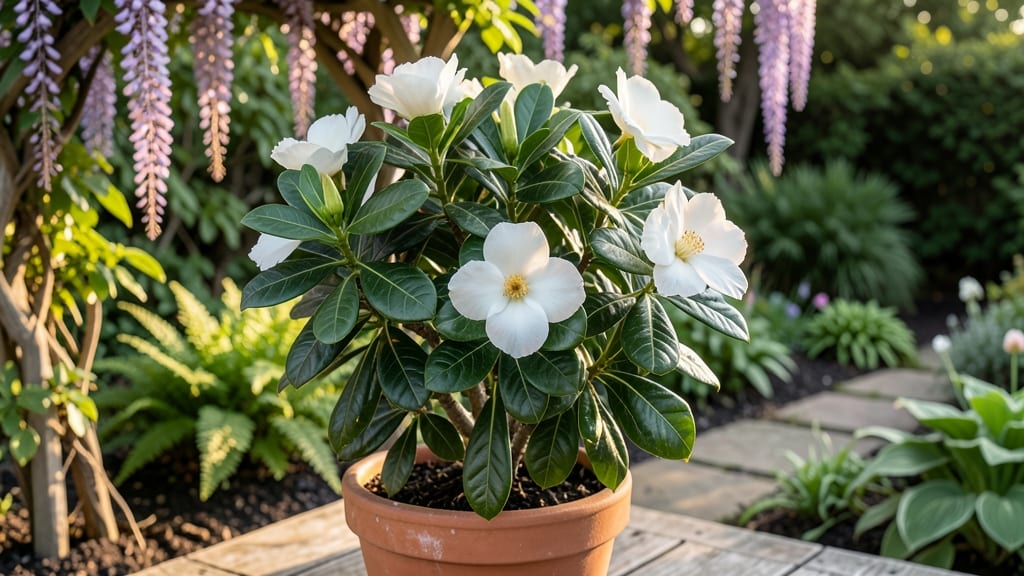
How tall does gardenia grow? At maturity, these fragrant plants typically reach heights between 3 and 6 feet, depending on the variety and growing conditions you provide.
If you’re dreaming of fragrant blooms and lush greenery but wondering whether gardenias will fit in your garden—or even your balcony—knowing their exact growth potential is key. These tropical favorites can range from compact shrubs to towering specimens, but their height depends on the variety, pruning habits, and growing conditions.
For example, the popular Gardenia jasminoides typically reaches 4 to 6 feet when planted in the ground, while dwarf varieties stay between 1 and 2 feet, making them perfect for containers or small spaces. Understanding these differences helps you choose the right plant for your layout and care routine.
In this guide, you’ll discover how sunlight, soil, and pruning influence gardenia height, plus tips for managing growth whether you want a bushy hedge or a tall statement plant. Let’s get started!

Gardenia height by variety: exact growth ranges for popular types
Choosing a gardenia variety isn’t just about fragrance—it’s about fit. Some types stay as compact as a doorknob, while others reach second-story windows. The Gardenia jasminoides (the most common type) typically grows 3–6 feet tall, but hybrids and dwarf varieties can vary dramatically.
Whether you’re planning a balcony garden or a privacy hedge, knowing these exact ranges helps you pick the perfect fit.
Height isn’t the only factor—growth habits matter too. Some gardenias grow upright and leggy, while others spread into dense, bushy shrubs. Even the same variety can differ based on pruning, soil acidity, and sunlight exposure.
Below, I’ve broken down the exact mature heights of popular gardenia types, with real-world comparisons to help you visualize their size.
Pro Tip: If you’re growing gardenias in containers, expect 20–30% smaller heights than in-ground plants. Root-bound conditions naturally restrict growth, but they’re perfect for patio gardens or balcony planters.
| Variety | Mature Height | Growth Habit | Real-World Comparison |
|---|---|---|---|
| 'Radicans' | 1–2 ft | Trailing | As tall as a standard doorknob |
| 'Kleim's Hardy' | 2–3 ft | Bushy | Slightly taller than a standard chair |
| 'Fortuniana' | 3–4 ft | Upright | About waist-high for an average adult |
| 'Veitchii' | 4–6 ft | Tall, arching | Reaches a second-story window |
| 'Mystery' | 2.5–3.5 ft | Compact bush | Perfect for a small table centerpiece |
| 'Augusta Sue' | 3–5 ft | Bushy, rounded | Ideal for a small hedge or border |
If you’re growing gardenias in containers, expect dwarf-like growth even with standard varieties. For example, a 'Veitchii' gardenia in a 15-gallon pot might only reach 3–4 feet instead of its full 6-foot potential. The key is root restriction, which triggers denser foliage and slower vertical growth.
Light exposure also plays a role. Gardenias grown in full sun (6+ hours daily) tend to grow taller and leggier, while those in partial shade (4–6 hours) stay more compact. This is why 'Radicans', a trailing type, thrives in hanging baskets—it naturally stays low and spreads outward instead of upward.
For hedge planting, varieties like 'Augusta Sue' or 'Kleim's Hardy' are ideal. They stay 3–4 feet tall when pruned regularly, making them perfect for foundation plantings or privacy screens. Just remember: prune after flowering to avoid cutting off next year’s blooms.
If you’re new to gardenias, start with 'Mystery' or 'Radicans'—they’re low-maintenance and perfect for small spaces. For bold gardeners, 'Veitchii' offers dramatic height and showstopping blooms, but it needs regular pruning to control its size.
One last tip: Soil pH matters. Gardenias thrive in acidic soil (pH 5.0–6.5). If your soil is alkaline, use peat moss or sulfur to lower the pH. This ensures optimal nutrient uptake, which directly impacts growth rate and bloom size.
Now that you know the exact heights of popular gardenias, you can plan your garden with confidence—whether you’re aiming for a fragrant balcony or a lush backyard retreat.
How to control gardenia height: pruning and care tips for compact growth
Gardenias can grow into stunning, fragrant shrubs—but their height isn’t set in stone. With the right pruning techniques and care practices, you can shape them into compact bushes or let them reach their full mature height.
The key is balancing growth stimulation with height control while keeping your plant healthy and blooming.
Whether you’re working with a dwarf gardenia in a container or a standard variety in your yard, understanding when and how to prune makes all the difference.
I’ll walk you through seasonal pruning, soil adjustments, and sunlight strategies to keep your gardenia at your desired height—without sacrificing those show-stopping blooms.
Prune After Flowering
Trim back spent blooms and overgrown branches in late summer or early fall. This encourages new growth while preventing leggy stems.
Use Sharp, Clean Tools
Always prune with sterilized shears at a 45-degree angle just above a leaf node. This reduces disease risk and promotes bushier regrowth.
Pinch Back Young Shoots
For compact growth, pinch off the tips of new shoots in spring. This redirects energy to lateral branches, creating a fuller shape.
Adjust Sunlight Exposure
Too much direct sunlight can stretch stems. Provide morning sun and afternoon shade to maintain a compact form.
Fertilize Strategically
Use a balanced fertilizer (10-10-10) in spring and summer, but avoid overfeeding. Excess nutrients can lead to rapid, leggy growth.
Beyond pruning, the soil mix plays a huge role in height control. Gardenias thrive in acidic, well-draining soil (pH 5.0–6.5). Amend heavy clay with peat moss or pine bark to prevent root-bound stress, which can stunt growth.
For container gardenias, use a lightweight potting mix to keep roots aerated and encourage compact growth.
Watering habits also influence height. Deep, consistent watering in the morning encourages strong root development, while surface-level watering can lead to weak stems and leggy growth. Mulch around the base with organic matter to retain moisture and regulate soil temperature, which supports steady, controlled growth.
If your gardenia starts to outgrow its space, don’t hesitate to prune aggressively in early spring. You can reduce height by up to one-third without harming the plant.
Just be patient—it may take a season or two to regain its bushy shape, but the result will be a well-proportioned, fragrant shrub that fits your garden perfectly.
With these tips, you’ll master the art of height control while keeping your gardenia blooming beautifully. Whether you prefer a small container specimen or a tall hedge, the power is in your hands—and shears! ✂️🌿