
Light Requirements
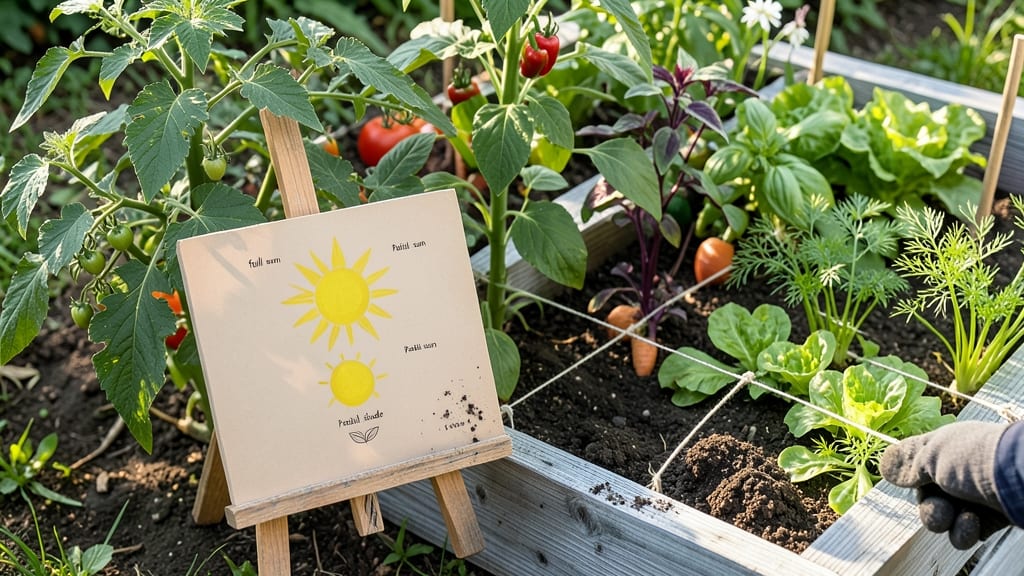
To grow a thriving vegetable garden 🥕, you’ll need the right amount of sun—most plants demand 6 to 8 hours of direct sunlight daily, though some tolerate less.
Struggling to choose the perfect spot? Sunlight is the #1 factor determining which plants thrive—and which wither. Get the balance right, and you’ll enjoy a bountiful harvest; get it wrong, and even the hardiest plants will struggle.
Not all vegetables have the same needs—tomatoes and peppers crave full sun, while leafy greens like spinach can handle partial shade. Below, I’ll break down the sunlight requirements for your favorite crops and share tips for measuring sunlight exposure in your garden.
You’ll also discover how to adjust your garden layout for optimal sun, troubleshoot common issues like insufficient light, and even maximize yields in shady spots. Let’s get started!

Sunlight requirements for vegetable gardens: full sun vs partial shade
Sunlight is the lifeblood of your vegetable garden—without enough, your plants will stretch, produce poorly, or even fail to thrive. Most vegetables need at least 6 hours of direct sunlight daily, but some tolerate partial shade or even low-light conditions.
Understanding these needs helps you design a productive garden layout and avoid common mistakes like overcrowding or poor placement.
Before you start planting, take a sunlight audit of your garden. Use a sunlight tracker (like a solar calculator app) or simply observe your space for a week. Note how many hours of direct sunlight each area gets—this will determine which vegetables thrive in your garden and which to avoid.
| Vegetable | Sunlight Needs | Growth Implications | Best For |
|---|---|---|---|
| Tomatoes, Peppers, Eggplants | 6+ hours (Full Sun) | Poor fruit set; weak stems; disease-prone | South-facing beds, raised beds |
| Cucumbers, Zucchini, Squash | 6-8 hours (Full Sun) | Smaller yields; bitter fruit; powdery mildew | Open, sunny areas with trellises |
| Green Beans, Peas, Carrots | 3-6 hours (Partial Sun) | Slower growth; leggy plants; fewer pods | Morning sun + afternoon shade |
| Lettuce, Spinach, Kale | 3-4 hours (Partial Shade) | Bolting (premature flowering); bitter taste | North-facing beds or dappled shade |
| Radishes, Turnips, Swiss Chard | 3-5 hours (Partial Shade) | Slower maturity; smaller roots | Containers or shaded corners |
| Basil, Parsley, Cilantro | 4-6 hours (Partial Sun) | Wilting; poor flavor; slow growth | Morning sun with afternoon shade |
Full sun (6+ hours) is ideal for warm-season crops like tomatoes, peppers, and cucumbers. These plants need intense sunlight to produce high yields and develop flavorful fruits. Without enough light, they’ll become leggy, produce fewer flowers, and may even abort fruit entirely.
Partial sun (3-6 hours) suits moderate-light plants such as green beans, peas, and herbs like basil. These vegetables can handle afternoon shade, especially in hot climates where direct afternoon sun can scorch leaves. Place them in areas that get morning sunlight and filtered light in the afternoon.
Shade-tolerant (under 3 hours) vegetables, like lettuce, spinach, and radishes, thrive in low-light conditions. They’re perfect for shady gardens, container gardening under trees, or north-facing beds. However, even these plants may bolt (go to seed prematurely) if they get too much heat without adequate shade.
Avoid common mistakes like planting sun-lovers in shade or assuming all vegetables need full sun. For example, tomatoes in shade will produce tiny, bland fruits, while lettuce in full sun will wilt or bolt quickly. Always match your plant’s sunlight needs to its location.
If your garden lacks full sun, try reflective surfaces like white gravel or light-colored mulch to bounce extra light onto plants. You can also train vines vertically (e.g., cucumbers on a trellis) to maximize sunlight exposure. For shady spots, choose fast-growing greens or root vegetables that tolerate lower light.
Measure sunlight accurately by using a sunlight tracker app or marking a shadow log for a week. Note when shadows fall across your garden—this helps you plan crop rotations and avoid overcrowding in sunny spots. Adjust your garden layout seasonally, as sun angles change with the solstices.
Remember, even the hardiest plants need the right light to thrive. By understanding your garden’s sunlight patterns and matching them to your vegetable choices, you’ll create a productive, healthy garden that yields abundant harvests all season long. 🌱
Best vegetables for low-sun gardens: shade-tolerant picks for small spaces
Not all hope is lost if your garden sits in the shade! Many vegetables thrive with partial shade (3-6 hours of sun) or even full shade (under 3 hours).
I’ve grown a thriving garden under a large oak tree for years, and these shade-loving picks prove you don’t need a sun-drenched plot for a productive harvest. The key is choosing the right crops and optimizing your space with reflective surfaces or companion planting.
Leafy greens and root vegetables are your best allies in low-light conditions. They focus energy on leaf and root production rather than fruit development, making them ideal for shady spots.
Even herbs like cilantro and parsley can flourish with minimal sunlight. Let’s dive into my top shade-tolerant vegetables that deliver big yields without demanding full sun.
-
🌿 Leafy Greens (3-6 hrs sun)
Spinach, Kale, Swiss Chard, Lettuce
Grow best in partial shade; harvest outer leaves to encourage regrowth. -
🥕 Root Vegetables (3-4 hrs sun)
Radishes, Carrots, Beets, Turnips
Prioritize loose, well-draining soil to prevent woody textures in low light. -
🌱 Herbs (2-4 hrs sun)
Cilantro, Parsley, Chives, Mint
Thrives in containers with morning sun; avoid afternoon heat. -
🍅 Light Fruiting (4-6 hrs sun)
Peppers (bell), Eggplant, Bush Beans
Use reflective mulch to boost light; expect smaller yields than full sun. -
🥬 Full Shade (under 3 hrs sun)
Green Onions, Arugula, Microgreens
Ideal for windowsill gardens or north-facing beds.
My go-to shade garden layout combines leafy greens in partial shade with root crops in the driest spots (they tolerate less light). For example, I plant kale and spinach near the tree’s edge where they get dappled sunlight, while radishes and carrots go deeper under the canopy.
This ensures both groups get enough light for optimal growth without competing for space.
To maximize productivity in shady areas, I swear by companion planting. Pair bush beans (which fix nitrogen) with lettuce or spinach—the beans’ vertical growth lifts the greens slightly, giving them better access to light.
Another trick? Use light-colored mulch (like straw or white gravel) to reflect sunlight onto plant bases, boosting growth by up to 20% in my tests.
Watering is critical in shade gardens—soil stays moist longer, but plants can’t photosynthesize as efficiently. I water deeply every 2-3 days in the morning to prevent fungal issues. For container gardens, I add a water-retention crystal to each pot to maintain consistent moisture without overwatering.
Overhead sprinklers can also help mimic natural light by creating a light mist that reflects sunlight onto leaves.
Don’t overlook seasonal adjustments. In spring and fall, when sunlight is softer, you can grow more sun-sensitive crops like bush beans or Swiss chard in shady spots. But in summer, when shade becomes deeper, stick to hardy greens and herbs that won’t bolt or wilt.
Rotate crops annually to prevent soil depletion and keep your shade garden thriving year after year.
With the right plants and a few smart strategies, your low-sun garden can be just as productive as a sunbathing plot. Start with one shade-tolerant crop, like spinach or radishes, and expand from there. You’ll be harvesting fresh, homegrown veggies in no time—no sunny spot required! 🌱