
Flowers
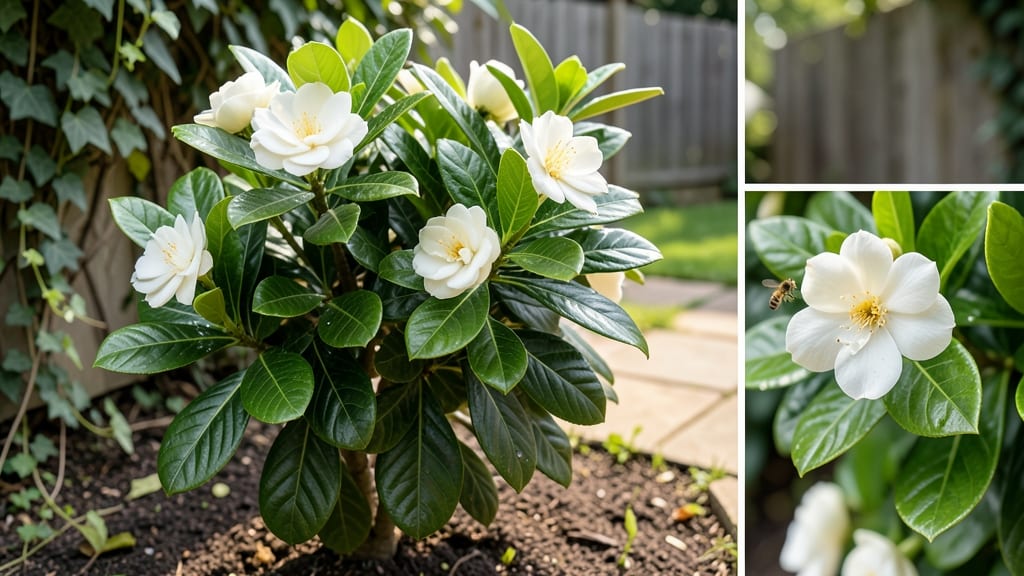
A gardenia flower typically lasts between 5 to 10 days once it opens, but with the right care, you can stretch that time—and even encourage more blooms throughout the season.
If you’ve ever wondered why your gardenia’s stunning white blooms vanish faster than you’d like, you’re not alone. These fragrant favorites are known for their short-lived beauty, but their lifespan isn’t just about genetics—it’s also about how you nurture them.
From sunlight and watering habits to pruning and fertilizing, small tweaks can make a big difference in how long each bloom stays vibrant. Some gardenia varieties even surprise you with repeat blooming, especially when given the ideal conditions.
Below, I’ll break down what affects bloom duration, how to extend the life of each flower, and which gardenia types hold their beauty the longest—so you can enjoy their sweet scent for as long as possible.
Gardenia flower lifespan by variety: which lasts longest?
Not all gardenias bloom for the same duration—some varieties like Kleim’s Hardy Gardenia can extend their flowers to 10-14 days with ideal care, while others like Cape Jasmine typically last just 5-7 days.
The difference comes down to genetics, climate adaptation, and how each variety handles stress. If you’re dreaming of longer-lasting blooms, choosing the right variety is your first step toward success.
Genetics play a huge role in bloom longevity. For example, Radicans gardenias (also called Cape Jasmine) are bred for hardiness and fragrance but often sacrifice bloom duration for resilience.
In contrast, tropical varieties like Gardenia jasminoides focus on extended floral displays, making them the top pick for gardeners who prioritize longer-lasting blooms over cold tolerance.
Climate also influences how long gardenia flowers last. In humid, tropical climates, blooms may linger 20-30% longer due to reduced stress. However, in drier or colder regions, even the hardiest varieties like Kleim’s Hardy may only last 7-10 days unless you adjust care routines to mimic their natural environment.
Here’s how different varieties stack up in terms of bloom duration, along with their care requirements to maximize longevity:
If you’re in Zone 6 or colder, Kleim’s Hardy Gardenia is your best bet for longer-lasting blooms—it’s bred to handle cooler temperatures while still delivering 10-14 days of fragrance.
For tropical gardeners, Veitchii Gardenia stands out with its 12-16 day blooms, but it demands high humidity and sheltered conditions to thrive.
The genetics behind bloom duration often come down to how a variety balances floral display with survival traits. For instance, Cape Jasmine prioritizes fragrance and hardiness, which can shorten bloom life, while Veitchii invests in larger, longer-lasting flowers at the cost of cold tolerance.
Understanding these trade-offs helps you pick the right gardenia for your climate and goals.
Another factor is repeat blooming. While most gardenias are seasonal bloomers (spring to early summer), some varieties like Fortuniana may produce intermittent blooms throughout the year in ideal conditions. This means even if individual flowers last 8-12 days, you’ll enjoy a longer overall flowering season with proper care.
To push your gardenia’s blooms to last as long as possible, focus on three critical care factors: humidity, soil acidity, and pruning.
For example, Veitchii Gardenia lovers swear by pebble trays under pots to boost humidity, while Kleim’s Hardy fans prune in late winter to encourage stronger, longer-lasting stems. Small tweaks like these can add 2-5 extra days to each bloom.
If you’re growing gardenias in containers, variety choice matters even more. Dwarf varieties like Gardenia jasminoides ‘Kleim’s Hardy Dwarf’ last 30-50% longer in pots because their roots stay consistently moist and well-aerated.
However, they still need daily misting in dry climates to match the bloom duration of their in-ground counterparts.
For gardeners in Zone 7 and above, mixing varieties can be a game-changer. Pair a long-blooming tropical like Veitchii with a hardy repeat bloomer like Fortuniana to enjoy continuous fragrance from spring through fall.
Just ensure they get different sunlight exposures—tropical varieties thrive in morning sun, while hardy types handle afternoon shade
5 Proven ways to extend gardenia bloom duration
Your gardenias may only last 5 to 10 days per bloom under average conditions, but with targeted care, you can push that to 2-3 weeks or even encourage repeat blooming.
The key lies in mimicking their natural tropical environment while avoiding common care mistakes. Let’s dive into the top 5 strategies to keep those fragrant white blooms lasting longer.
First, sunlight exposure is critical—gardenias thrive in morning sun with afternoon shade. Too much direct afternoon sun can stress the plant, causing buds to drop prematurely. If your gardenia is indoors, place it near an east-facing window where it gets 4-6 hours of indirect light daily.
Outdoors, position it where it receives dappled sunlight, like under a sheer curtain or near taller plants.
Morning sun + afternoon shade = 14-21 day blooms. Avoid harsh afternoon rays.
Use a pebble tray or humidifier to keep air moisture at 50-60%. Group plants to create microclimates.
Trim 1/3 of old wood post-bloom to encourage new growth and buds. Use clean, sharp shears.
Deep water every 3-5 days (1-2 gallons per plant). Avoid soggy soil—root rot kills blooms.
Use acidic fertilizer (8-3-9) in spring/summer. Organic options like fish emulsion work too—avoid high-nitrogen feeds.
Next, humidity levels play a huge role—gardenias originate from tropical regions where air moisture is high. If your home is dry (common in winter with indoor heating), place your gardenia on a pebble tray filled with water or use a humidifier nearby.
For outdoor plants, mulch around the base to retain moisture and create a more humid microclimate. Aim for 50-60% humidity to see the biggest difference in bloom longevity.
Pruning might seem counterintuitive when you’re trying to preserve flowers, but strategic pruning actually encourages longer blooming seasons. After your gardenia finishes its main bloom cycle (usually spring to early summer), trim back 1/3 of the oldest wood using clean, sharp shears.
This stimulates new growth and sets the stage for secondary blooms later in the season. Always prune just above a leaf node to promote healthy regrowth.
Watering is another area where consistency is key. Gardenias hate drought stress and waterlogged roots equally. Water deeply every 3-5 days (or daily in extreme heat), providing 1-2 gallons per plant.
The best time to water is in the early morning so foliage has time to dry before evening. If you notice yellowing leaves or wilting buds, it’s a sign you’re either overwatering or underwatering—adjust accordingly.
Finally, fertilizing correctly can extend bloom duration by providing the nutrients gardenias need to thrive. Use a balanced, acidic fertilizer (like 8-3-9) in spring and early summer to encourage blooming.
Organic options such as fish emulsion or compost tea are excellent choices, as they slowly release nutrients without burning the plant. Avoid high-nitrogen fertilizers, which promote leafy growth at the expense of flowers. Apply fertilizer in the early morning and water thoroughly afterward to prevent root burn.