
Tools
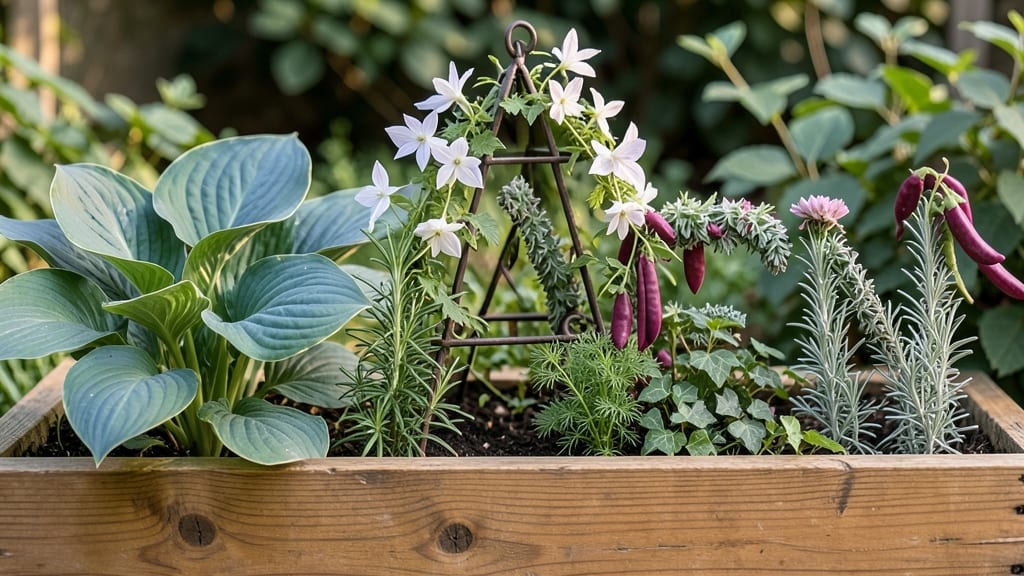
To spell "garden" correctly, use G-A-R-D-E-N—a straightforward five-letter word for a cultivated outdoor space. Common mistakes include adding an extra 'e' (gardene) or doubling the 'd' (gardden).
The word "garden" traces back to Old English gārden, meaning an enclosed space for growing plants. 🌱 Its spelling reflects this history—no silent letters or double consonants.
Many people mistakenly add an 'e' at the end because they associate it with the word's pronunciation, but "gardene" isn't a recognized spelling. The correct form has been used consistently in English for centuries, making it one of the simplest words to remember once you understand its roots.
For visual learners, think of the word as breaking down into two parts: "gar" (like "garlic") and "den" (like "front yard"). This mental trick helps reinforce the correct spelling without confusion. The absence of irregularities also makes "garden" easier to teach to children compared to words like "through" or "though."
💡 In This Article
- Why 'Garden' Has a Simple, Phonetic Spelling
- Common Misspellings of 'Garden' and How to Remember the Right Form
Why 'garden' has a simple, phonetic spelling
The word "garden" originates from Old English gārden, which literally means "enclosed space." This root reflects its original purpose—protected areas where plants could grow without interference from animals or harsh weather. The spelling has remained remarkably consistent since the 12th century, making it one of English's most reliable words.
Unlike many English terms that evolved irregularly (think "knight" or "island"), "garden" follows a straightforward phonetic pattern where each letter corresponds directly to its sound. 🌿
Linguists classify "garden" as a "regular" word because it follows predictable spelling rules. The ar sound is spelled with an "a" followed by "r," and the den ending matches other common words like "front yard" or "handkerchief."
The absence of silent letters or double consonants also makes it easier to spell than words like "colonel" or "separate." This consistency stems from its Germanic roots, where Old English spelling conventions prioritized phonetic accuracy over the French-influenced irregularities that later crept into English.
What makes "garden" particularly interesting is how its spelling aligns with its pronunciation across languages. In German, it's "Garten," and in Dutch, "tuin"—both retaining the core "ar-den" structure. This cross-linguistic consistency reinforces why adding an extra "e" (as in "gardene") or doubling the "d" (like "gardden") is incorrect.
The word's simplicity reflects its practical origin: a place where you grow things, spelled exactly as it sounds. 🌱
For comparison, consider how other plant-related words evolved. "Flower" comes from Old English "flawer," while "vegetable" traces back to Latin "vegetabilis." Yet "garden" remained stubbornly phonetic, preserving its original form.
This linguistic stability is why it's often used as an example in spelling guides for beginners—it proves that English isn't always chaotic. The word's structure also makes it a great teaching tool for illustrating how language evolves while retaining core elements.
One fascinating detail is how "garden" interacts with its verb form, "to garden." While the noun remains consistent, the verb sometimes triggers confusion because people might expect the same spelling rules to apply differently.
However, both forms share the same base, reinforcing the word's phonetic integrity. This dual usage—both as a noun and verb—without spelling changes is another reason "garden" stands out in English vocabulary. 🌻
In practical terms, this phonetic consistency means you can spell "garden" correctly even if you're not a native English speaker. The word's structure mirrors how it sounds when spoken aloud, making it accessible globally.
For example, in Spanish ("jardín"), the "ar" sound is preserved, while in French ("jardin"), the spelling adapts to that language's rules—but the core concept remains the same: an enclosed space for cultivation.
The simplicity of "garden" also extends to its usage in compound words. Terms like "garden hose," "garden shed," or "garden path" all follow the same spelling rules, reinforcing the word's reliability.
This predictability is why educators often highlight "garden" as a model for regular English spelling—it proves that not all words require memorization of irregular patterns. 🌼