
Landscaping
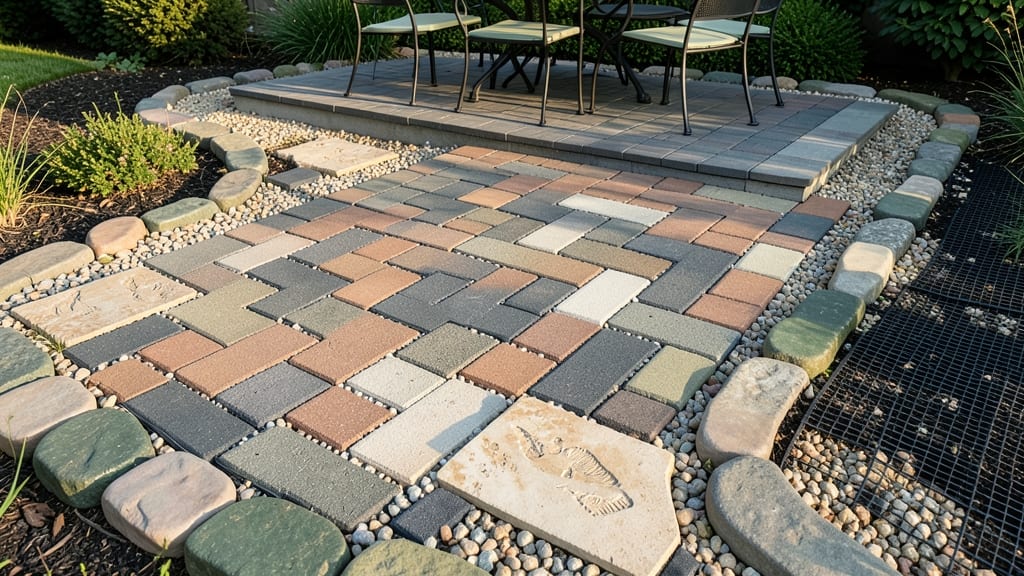
Creating a stunning garden path with pavers can turn a simple walkway into the centerpiece of your outdoor space 🌿—and the right design makes all the difference.
Picture this: a winding path that guides guests through your garden while standing up to years of foot traffic, rain, and even the occasional lawnmower. The key? Choosing the right pavers and layout to match your style, whether that’s rustic brick, sleek concrete, or natural stone.
In this guide, I’ll walk you through 15 eye-catching paver layouts that work for any yard—from cozy cottage gardens to modern minimalist spaces. You’ll also learn how to pick durable materials that won’t crack under pressure and how to install them like a pro, even if you’re a beginner.
Ready to upgrade your garden’s curb appeal? Let’s get started with designs that blend beauty and lasting performance.
15 Creative garden path paver layouts for every style and space
A well-designed garden path doesn’t just guide your footsteps—it transforms your outdoor space into a cohesive, inviting area. With the right paver layout, you can create visual interest while ensuring durability for years of use.
Whether you love rustic charm, modern minimalism, or whimsical curves, there’s a paver design to match your garden’s personality.
From classic herringbone patterns to free-form spiral designs, the possibilities are endless. Pairing materials like natural stone, brick pavers, or concrete tiles can further enhance the aesthetic while meeting functional needs. Let’s explore 15 stunning layouts that blend style and substance for any garden size or theme.
| Layout Style | Best For | Material Pairing | Durability | |||||||||||||||||||||||||
|---|---|---|---|---|---|---|---|---|---|---|---|---|---|---|---|---|---|---|---|---|---|---|---|---|---|---|---|---|
| Straight Lines | Modern, minimalist gardens | Concrete pavers + gravel | High (resistant to cracking) | |||||||||||||||||||||||||
| Herringbone | Traditional, cottage gardens | Brick pavers + sand joints | Very High (stable pattern) | |||||||||||||||||||||||||
| Spiral | Zen, Japanese gardens | Natural stone + moss | Medium (weather-dependent) | |||||||||||||||||||||||||
| Random Rustic | Country, farmhouse gardens | Fieldstone + gravel | High (natural durability) | |||||||||||||||||||||||||
| Staggered Brick | Colonial, English gardens | Clay bricks + sand | Very High (classic choice) | |||||||||||||||||||||||||
| Geometric Shapes | Contemporary, urban gardens | Concrete tiles + metal edging | High (modern materials) | |||||||||||||||||||||||||
| Curved Organic | Naturalistic, wild gardens | Slate tiles + pebbles | Medium (flexible design) | |||||||||||||||||||||||||
| Checkered | Playful, cottage gardens | Brick + stone contrast | High
How to choose durable pavers for High-traffic garden pathsSelecting the right garden path pavers for high-traffic areas means balancing durability with visual appeal. Heavy foot traffic demands pavers that resist cracking, shifting, and weather damage while maintaining a polished look. My top priority? Materials that handle moisture, freeze-thaw cycles, and daily wear without compromising your garden’s charm. Start by evaluating material weight and thickness. Thicker pavers—2.5 to 3 inches—distribute weight better, reducing sinkage over time. Concrete and natural stone excel here, but even lightweight options like interlocking pavers can work if installed on a compacted gravel base. Don’t overlook slip resistance; textured surfaces prevent accidents, especially near water features or shaded areas. Weather resistance is non-negotiable. Pavers must withstand UV exposure, rain, and temperature swings. Polymer-sand joints and sealed surfaces extend longevity, while frost-resistant materials like bluestone or granite prevent winter damage. For humid climates, opt for porous pavers to avoid mold buildup.
Consider maintenance needs upfront. Sealed pavers require annual resealing, while interlocking systems need joint refreshers every few years. For low-maintenance paths, natural stone or stamped concrete with a textured finish reduce upkeep. Pro tip: Use permeable pavers to minimize water runoff and erosion in sloped gardens. Finally, align your choice with your garden’s style and theme. Rustic paths benefit from flagstone or brick, while modern designs shine with smooth concrete or travertine. For cohesive aesthetics, mix pavers with complementary borders, like cedar mulch or low-growing creeping thyme, to tie the path into the landscape seamlessly. My go-to for high-traffic paths? Textured concrete pavers with a polymer-sand finish—durable, customizable, and easy to clean. For a touch of elegance, add metal edging to define the path and prevent shifting over time. 🌿 |