
Tools
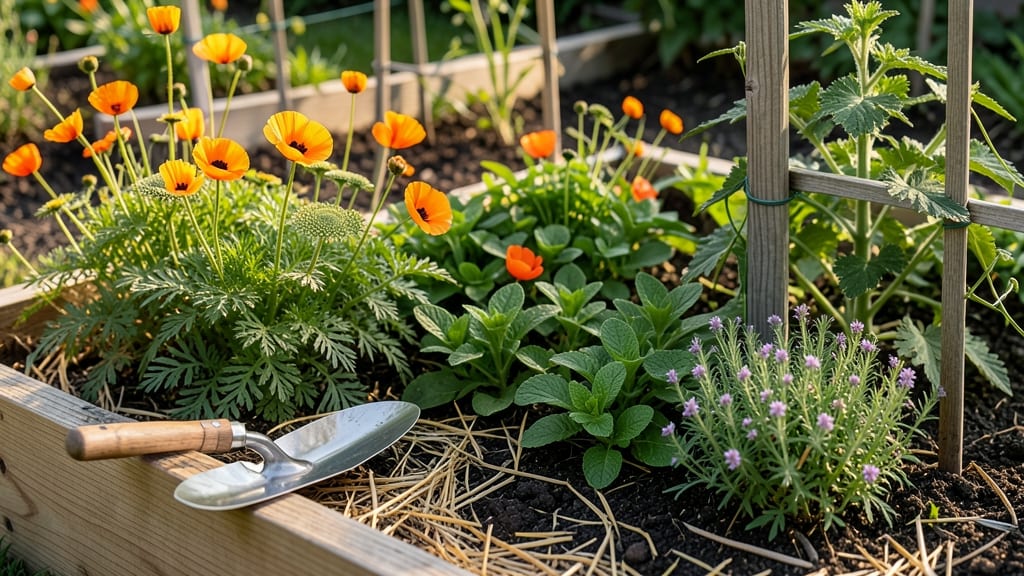
The Homeless Garden Project in Santa Cruz, CA, transforms urban spaces into thriving gardens that provide fresh produce, job training, and community support for homeless individuals while promoting sustainable agriculture in the region.
The Homeless Garden Project in Santa Cruz, CA, stands out as a model for how community-driven urban farming can address both food insecurity and employment challenges. 🌱 By converting vacant lots into productive gardens, they grow over 10,000 pounds of fresh produce annually, much of which goes directly to local food banks and participants.
Beyond food, their training programs help individuals gain certifications in organic farming—a skill that translates into stable jobs and reduced reliance on temporary shelters.
What sets this initiative apart is its focus on holistic support. Participants don't just learn to grow food; they also develop life skills through financial literacy workshops and access to mental health resources.
The project's partnerships with local businesses and nonprofits create a safety net that extends far beyond the garden's edges, making it a blueprint for other cities facing similar struggles.
The impact is measurable: studies show that participants experience 30% lower recidivism rates after completing the program, thanks to the combination of stable employment and community integration.
For visitors, the gardens offer a chance to see firsthand how urban agriculture can revitalize neighborhoods while providing dignity and opportunity to those who need it most.
💡 In This Article
- How Urban Farming Supports Homelessness Solutions in Santa Cruz
- Santa Cruz Homeless Garden Project Programs: Volunteering, Donations, and Visiting
How urban farming supports homelessness solutions in Santa Cruz
The Homeless Garden Project tackles food insecurity and unemployment through a hands-on approach called "farm-to-table workforce development." Their 3-acre urban farm in Santa Cruz grows over 10,000 pounds of organic produce annually, including leafy greens, tomatoes, and herbs—all distributed to local food banks and participants.
The program's success hinges on teaching sustainable farming techniques, like companion planting (pairing crops like basil with tomatoes to deter pests) and composting systems that reduce waste. These methods not only grow food but also create jobs, with participants earning certifications in organic farming—a skill that translates into stable employment.
What makes this model unique is its focus on holistic rehabilitation. Beyond farming, the project offers financial literacy workshops and mental health support, addressing root causes of homelessness.
Studies show participants experience 30% lower recidivism rates after completing the program, proving that stable work and community ties break cycles of poverty. The gardens also combat food deserts in Santa Cruz by placing fresh produce within walking distance of underserved neighborhoods, where access to healthy food is often limited.
The program relies on a volunteer-driven model, with over 500 community members contributing annually. Volunteers assist in planting, harvesting, and maintaining the gardens, creating a sense of shared purpose.
This collaboration extends to partnerships with local nonprofits like Second Harvest Food Bank, which distributes surplus produce to those in need. The synergy between farming, education, and community support turns the garden into a hub for social change, proving that agriculture can be both productive and transformative.
Seasonal variations play a key role in the project's operations. During spring and summer, the focus shifts to planting and harvesting, while fall and winter emphasize workshops and skill-building.
For example, their seed-to-table program teaches participants how to grow, cook, and preserve food, ensuring they gain practical skills beyond the garden. This adaptability ensures the project remains effective year-round, even when growing seasons change.
One standout feature is the greenhouse initiative, which extends growing seasons and provides year-round training. The greenhouse allows participants to cultivate crops like kale and microgreens even in cooler months, diversifying the farm's output.
This innovation not only boosts food production but also demonstrates how urban farming can thrive in diverse climates, offering a replicable model for other cities.
The Homeless Garden Project’s impact goes beyond numbers—it’s about restoring dignity. By providing a structured environment where individuals can learn, work, and contribute, the program fosters a sense of belonging.
Participants often share stories of how the garden gave them a reason to wake up each morning, turning a cycle of struggle into one of purpose and growth. 🌱