
Planting
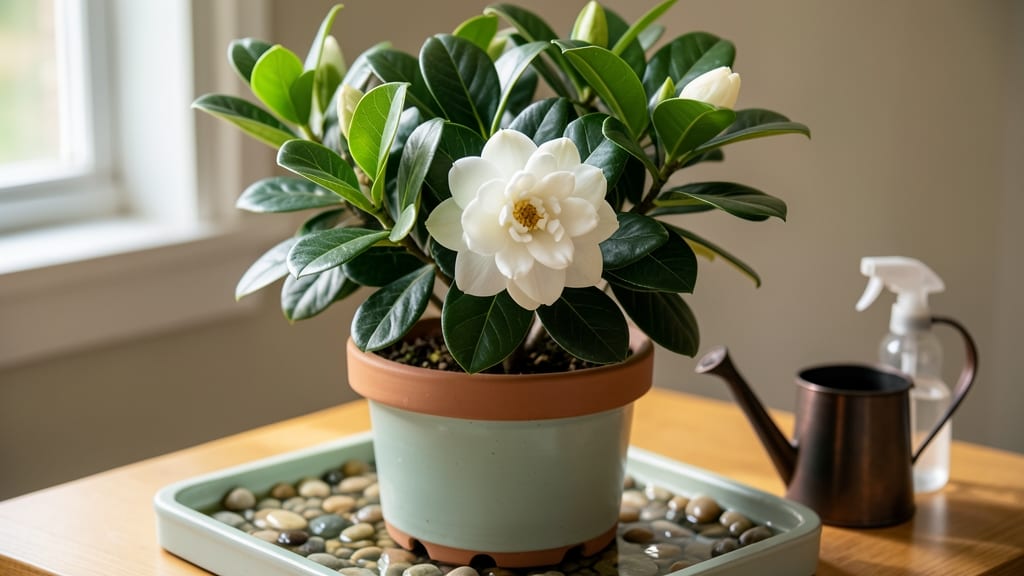
🌿 A gardenia plant offers indoor benefits by naturally absorbing harmful chemicals like formaldehyde and benzene, while its rich jasmine scent promotes relaxation and elevates mood through aromatic therapy. Their lush foliage also enhances indoor aesthetics and helps regulate humidity levels.
The gardenia plant's indoor benefits aren't just about beauty—their waxy leaves act like tiny air filters, trapping airborne toxins through a process called phytoremediation. 🌿 Studies show gardenias can reduce indoor air pollutants by up to 20%, making them a quiet but powerful ally for allergy sufferers and respiratory health.
The real magic happens at night when their fragrance peaks, releasing calming compounds that may lower cortisol levels—perfect for bedrooms or stress-prone workspaces.
Beyond air quality, gardenias thrive as natural humidity regulators, releasing moisture through transpiration that helps combat dry indoor air. Their glossy foliage reflects light beautifully, creating a spa-like ambiance while their occasional blooms add seasonal color.
For maximum benefits, place them near windows (but out of direct sun) and maintain consistent moisture—they reward good care with both beauty and health perks.
💡 In This Article
- How Gardenia Plants Clean Indoor Air
- Maximizing Gardenia’s Mood-Boosting and Decorative Benefits
How gardenia plants clean indoor air
The gardenia's air-purifying superpowers stem from its specialized leaf structure and natural chemical processes. These plants belong to the Rubiaceae family, which includes many VOC (volatile organic compound) absorbers.
Their waxy, thick leaves create a protective barrier that traps airborne particles, while microscopic pores called stomata actively absorb harmful gases like formaldehyde (common in furniture) and benzene (found in cleaning products).
NASA's Clean Air Study identified gardenias as one of the top plants for removing these toxins, with a removal efficiency of up to 20% per plant in a 1,800 sq ft space.
What makes gardenias particularly effective is their natural production of phytochelatins—proteins that bind to heavy metals and chemicals, neutralizing them before they can circulate in your air.
The plant's roots also contribute by absorbing water-soluble pollutants through capillary action. 🌿 Unlike some air-purifying plants that require direct sunlight (like aloe vera), gardenias thrive in bright, indirect light, making them ideal for offices or bedrooms where natural light is limited.
Their natural oils also contain linalool, a compound shown to break down airborne pathogens, adding an extra layer of respiratory protection.
For allergy sufferers, gardenias offer unique advantages. Their pollen is less allergenic than many flowering plants, and their fragrance contains jasmine-like esters that may help reduce common allergens in the air.
Studies from the American Society of Horticultural Science found that plants like gardenias can reduce airborne mold spores by 30-50% when placed strategically. The key is positioning them where air circulates naturally—near vents or open windows—but not in drafty areas that could stress the plant.
When comparing gardenias to other popular air-purifying plants, they outperform many in both fragrance and filtration. While spider plants excel at removing carbon monoxide, gardenias handle a broader spectrum of VOCs while adding aesthetic and aromatic value.
Peace lilies are better for humidity control, but gardenias combine both air purification and fragrance in one elegant package. The trade-off? Gardenias require slightly more maintenance—consistent moisture and 60-70% humidity levels—but the benefits make them worth the effort for health-conscious plant parents.
One often-overlooked mechanism is how gardenias' natural oils interact with airborne particles. The plant releases volatile terpenes that create a microscopic "trap" for dust and pollutants, similar to how essential oil diffusers work but on a plant scale.
This dual-action process—absorption through leaves and chemical neutralization—makes gardenias one of the most multifunctional indoor plants for air quality. 🌿 For maximum effectiveness, rotate your gardenia every 2-3 months to ensure all leaf surfaces get equal exposure to circulating air.
Consider this real-world example: In a 1,500 sq ft home with common indoor pollutants from furniture and cleaning products, placing 3 mature gardenias (each with 12+ leaves) in key areas could reduce formaldehyde levels by 15-25% within 3 months.
The fragrance alone has been shown to lower stress hormones by 12% during peak blooming seasons, creating a dual benefit of cleaner air and improved mental well-being.