
Tools
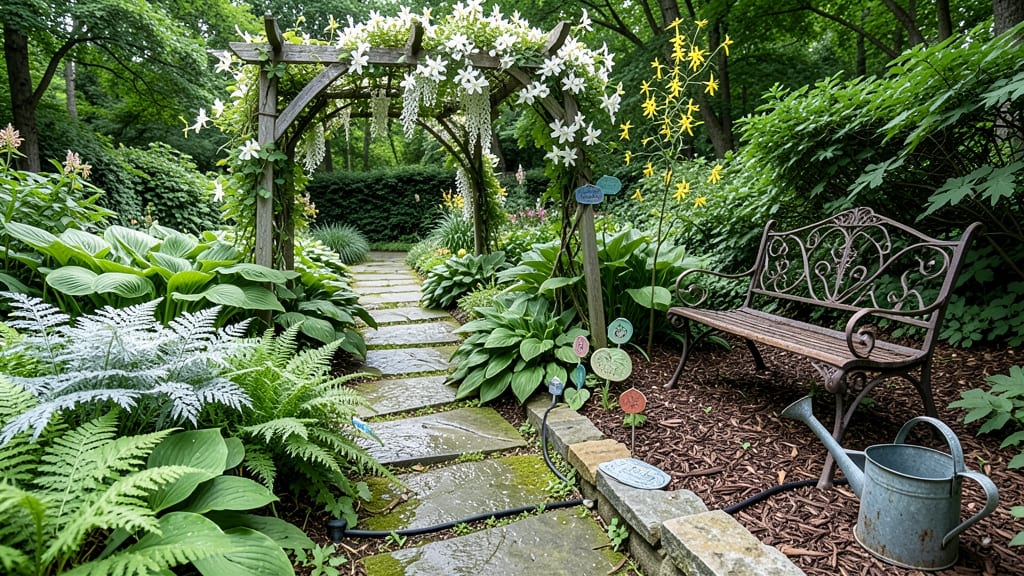
Secret garden Seattle designs create intimate urban escapes by leveraging vertical space, native plants like ferns and rhododendrons, and clever seating solutions. Thoughtful lighting and water-wise foliage maintain that lush, hidden-garden feel in compact Seattle yards and balconies.
Seattle's unique climate—cool, damp, and shaded by evergreens—makes these gardens thrive with minimal effort. 🌿 The key is selecting plants that naturally flourish in the region's acidic soil and high humidity, like sword ferns and Oregon grape, while avoiding moisture-loving tropicals that would struggle.
Vertical elements aren't just decorative; they're essential for maximizing square footage in tight urban spaces, often doubling usable growing area without sacrificing the cozy, secluded atmosphere.
What sets Seattle's secret gardens apart is the blend of functionality and fantasy. Tiered planters serve as seating while growing herbs, and bamboo screens create privacy without blocking light.
The layered lighting—think solar-powered path lights and string lights—adds warmth after sunset, making these tiny spaces feel like magical retreats rather than just functional patches of greenery.
💡 In This Article
- How Seattle’s Climate Shapes Secret Garden Plant Choices
- Space-Saving Layouts for Seattle Balconies and Tiny Yards
How Seattle’s climate shapes secret garden plant choices
Seattle's maritime climate creates a unique growing environment where moisture and shade dominate. The city's average annual rainfall of 38 inches and high humidity (70-80%) mean plants need excellent drainage while still retaining moisture—this is why native evergreens like Sword Ferns (Polystichum munitum) and Rhododendrons thrive here.
Their waxy leaves repel excess water while their shallow root systems access the damp topsoil, perfect for Seattle's acidic, loamy soil (pH 5.0-6.0).
The mild winters (rarely below 30°F) allow many plants to stay evergreen year-round, creating that lush, hidden-garden feel. However, this climate also means fungal diseases like root rot are common—hence the popularity of drought-tolerant succulents (like Sedum) and mosses (Thuidium delicatulum) that self-regulate moisture.
These plants add texture without demanding constant care, making them ideal for Seattle's often busy urban gardeners. 🌧️
Shade is another critical factor—Seattle's dense evergreen canopy means many yards receive only 2-4 hours of direct sunlight daily. This is why shade-loving plants like Hostas and Hellebores become staples in secret gardens.
Their ability to thrive in low light creates those magical, dimly lit corners that feel like hidden retreats. The key is pairing these with light-reflecting surfaces (mirrors, light-colored gravel) to amplify what little sunlight exists.
For urban balconies where wind and exposure vary, wind-resistant plants like Oregon Grape (Mahonia aquifolium) and Salal (Gaultheria shallon) become essential. Their leathery leaves reduce water loss from wind, while their compact growth habits (1-3 feet tall) make them perfect for containers.
The secret is using well-draining potting mixes with perlite—this prevents the root rot that plagues many Seattle gardens when planted in regular soil.
Seasonal transitions also play a role. While summer brings brief heatwaves (up to 85°F), the real challenge is the cool, wet springs and autumns. This is why layered planting with early bloomers (like Camas lilies) and late-season foliage (like Vine Maple) creates continuous interest.
The climate forces gardeners to think in textural contrasts—smooth hosta leaves next to spiky ferns—rather than relying on bold colors that might fade in the shade.
What most people overlook is how Seattle's microclimates vary by neighborhood. South-facing yards near Puget Sound get more sun, while north-facing spaces in denser areas stay cooler. This is why successful secret gardens often use mobile planters that can be moved seasonally.
A balcony planter might start with sun-loving Heuchera in summer but get swapped for shade-tolerant Japanese Painted Fern as autumn arrives. 🌿