
Advice
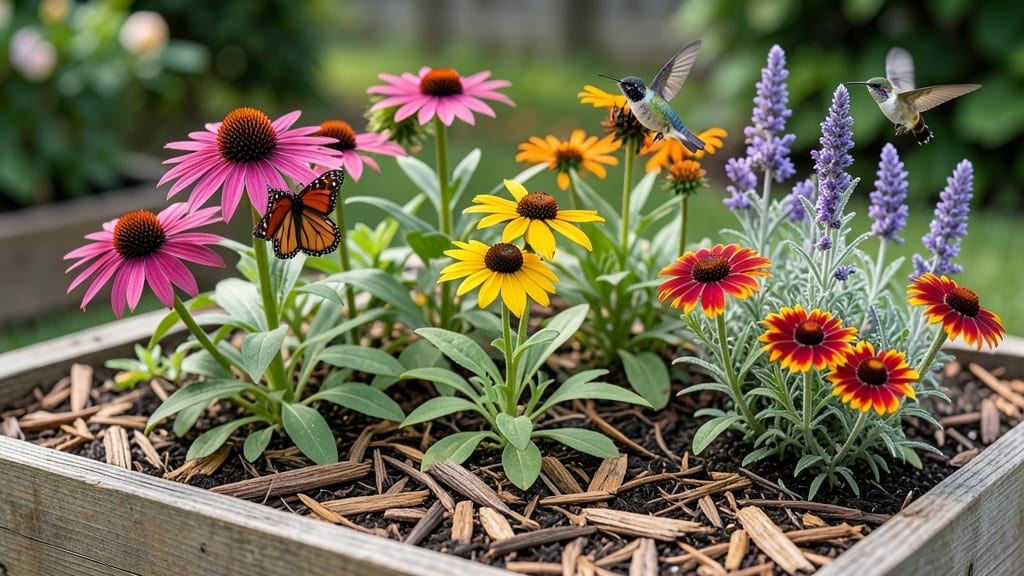
High Country Gardens Nursery offers drought-tolerant, fragrant perennials perfect for USDA Planting Zones 3-10, featuring standout varieties like Russian Sage, Lavender, and Catmint that require minimal care while attracting pollinators and enhancing garden beauty.
This specialty nursery stands out by focusing on plants that thrive in diverse climates while demanding little water—a game-changer for eco-conscious gardeners. 🌿 Their curated selection includes hardy perennials that not only survive but flourish in heat, drought, and poor soil conditions, thanks to deep root systems and natural adaptations like waxy foliage.
Whether you're designing a pollinator-friendly meadow or a low-maintenance container garden, their climate-specific guides help you choose plants that will reward you with fragrance and color year after year.
Their top-selling varieties aren't just beautiful—they're practical. Russian Sage, for example, blooms from summer to fall and repels mosquitoes naturally, while Lavender's calming scent deters pests and attracts bees. Catmint's silvery foliage adds texture, and all three require almost no upkeep once established.
The nursery's plant database even filters by your exact zone, sun exposure, and water availability, so you get recommendations tailored to your garden's unique challenges.
💡 In This Article
- How High Country Gardens Matches Plants to Your Climate Zone
- Top 5 Fragrant Perennials from High Country Gardens and How to Use Them
How high country gardens matches plants to your climate zone
The nursery's climate-matching system begins with a deep understanding of how plants adapt to specific conditions. Their drought-tolerant perennials thrive across USDA Zones 3-10 thanks to natural survival mechanisms like deep taproots that access water up to 6 feet underground and waxy leaf surfaces that reduce moisture loss.
For instance, Russian Sage (Perovskia atriplicifolia) can survive with just 1 inch of water per month once established, while Lavender's compact growth habit minimizes water evaporation.
Their plant database uses three key filters to recommend the right varieties: hardiness zone, sun exposure, and soil type. The system cross-references these with each plant's native growing conditions—like how Catmint (Nepeta) naturally grows in rocky, nutrient-poor soils of the Mediterranean.
This matching process ensures you'll get plants that won't just survive but thrive in your specific microclimate, whether that's a hot desert garden or a cool mountain slope. 🌵
The nursery's approach extends beyond basic hardiness ratings. They consider seasonal temperature swings—for example, recommending Agastache for Zone 5 gardens because its deep roots protect it from winter freeze-thaw cycles.
Their guides also highlight how plants like Salvia officinalis (culinary sage) can handle both full sun and partial shade, making it versatile for different garden locations. This level of detail helps gardeners avoid common mistakes like choosing shade-loving plants for sunny spots.
What sets High Country Gardens apart is their focus on pollinator-friendly plants that also meet your climate needs. Their database prioritizes varieties that bloom at different times—like early spring Penstemon followed by summer Russian Sage—to provide continuous nectar sources.
This dual focus on climate adaptation and ecological benefits creates gardens that are both beautiful and functional, requiring minimal water while supporting local wildlife.
For gardeners in challenging climates, the nursery offers specific recommendations like drought-tolerant grasses for windy zones or heat-loving succulents for arid regions. Their Plant Select® program features varieties bred for extreme conditions, such as Blue Fescue Grass that survives -30°F temperatures.
This scientific approach to plant selection means you're not just getting pretty flowers—you're getting plants that will actively improve your garden's resilience.
One often-overlooked factor is how their plants handle urban microclimates. For city gardens where pavement creates heat islands, they recommend heat-reflective mulches paired with plants like Lavender that thrive in 60-80°F daytime temperatures.
The nursery's zone-specific guides even include tips for adjusting watering schedules based on local rainfall patterns, ensuring your plants get just the right amount without waste.