
Planting
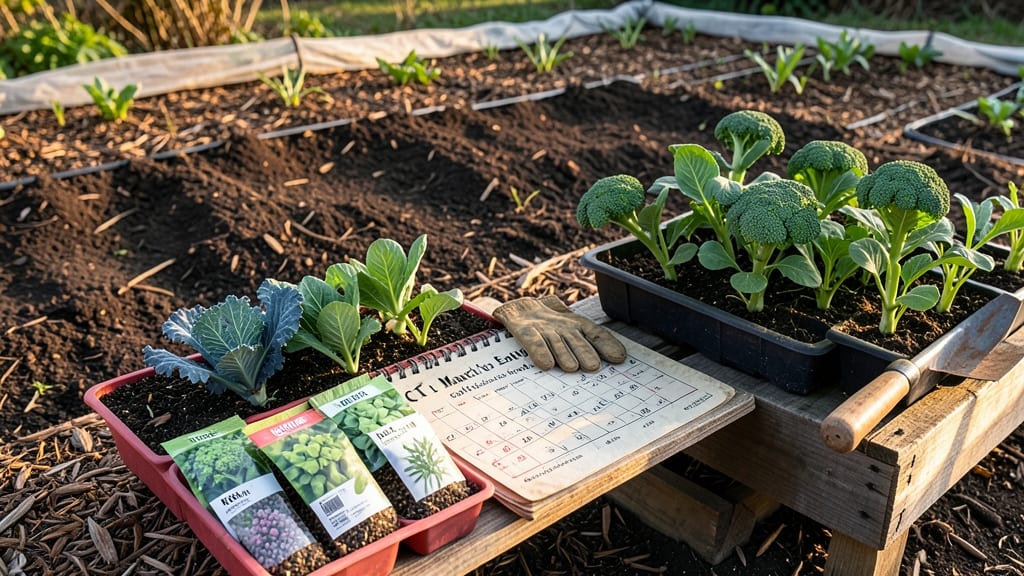
Planting your garden in Connecticut at the right time means the difference between a bumper harvest and a sad, frost-nipped disappointment.
Connecticut gardeners know timing is everything—plant too early, and frost will ruin your hard work; too late, and you’ll miss peak harvests. Understanding your zone’s last frost dates is the secret to a thriving garden.
With USDA Zones 5b-6b, Connecticut’s frost-free window can vary by weeks depending on where you live. The average last spring frost arrives between mid-April in the north and early April near the coast, but don’t let those dates fool you—unpredictable weather can push it later.
In this guide, I’ll break down exactly when to plant your garden in CT, from warm-season veggies to cool-season greens, plus how to adjust for late frosts and early heat. You’ll learn the best planting calendar, soil prep tips, and even how to stretch your season with row covers.
Connecticut’s last frost dates by plant hardiness Zone (2024 guide)
Connecticut’s last spring frost dates and first fall frost dates vary dramatically between its USDA Zones 5b and 6b, shaping when you can safely plant warm-season crops.
In Zone 5b (western CT), expect your average last frost around May 10-20, while Zone 6b (eastern CT) typically sees frost-free conditions by April 25-May 10. These dates create a 3-4 week window for early planting strategies.
Understanding these historical frost averages from NOAA and USDA data helps you avoid frost damage while maximizing your growing season. For example, tomatoes and peppers need 50-60 frost-free days to mature, so planting too early in Zone 5b risks losing your crop.
Meanwhile, cool-season crops like kale and spinach can handle light frosts, extending your harvest into October.
Microclimates add complexity—urban areas (like Hartford) often warm 2-3°F faster than rural spots, while valleys (e.g., Naugatuck Valley) hold cold air longer. Always check local weather forecasts 1-2 weeks before your zone’s average date to adjust planting timelines.
My personal rule? Wait until three consecutive days above 50°F before planting frost-sensitive seedlings.
First fall frosts hit Zone 5b by October 10-20 and Zone 6b by October 15-25, cutting the season short. This is why succession planting (sowing every 2 weeks) and cold-hardy crops are essential. For instance, broccoli and carrots can survive light frosts, while beans and cucumbers must be harvested before temperatures drop below 40°F.
| Zone | Avg Last Spring Frost | Avg First Fall Frost | Frost-Free Window | Warm-Season Planting | Cool-Season Planting |
|---|---|---|---|---|---|
| 5b (Western CT) | May 10-20 | Oct 10-20 | 150-160 days | After May 20 (soil 60°F+) | Start by April 1 or Aug 15 |
| 6b (Eastern CT) | Apr 25-May 10 | Oct 15-25 | 160-170 days | After May 1 (soil 55°F+) | Start by March 20 or Aug 1 |
| Microclimates (Urban/Valley) | May 5-25 (varies) | Sept 25-Oct 10 | 140-180 days | Adjust by 1-2 weeks | Extend with row covers |
Use these frost
How to adjust planting times for Connecticut’s unpredictable weather
Connecticut’s variable spring weather can make planting feel like a guessing game. One year, you’ll have warm soil by April, and the next, a late frost hits in May—leaving tender seedlings vulnerable. The key is flexibility: adjusting your planting timeline with season-extending tools and smart strategies.
I’ve learned that even a 2-week shift can mean the difference between a bountiful harvest and a sad, frost-nipped garden.
For warm-season crops like tomatoes and peppers, most gardeners wait until after the average last frost date (around May 15 in most of CT). But what if you’re eager to plant earlier? That’s where row covers and cold frames become your best friends.
These tools can safely push your planting window 2-4 weeks earlier, giving heat-loving plants a head start without risking frost damage.
Here’s how I adjust my planting schedule based on CT’s unpredictable weather, with actionable tips for common crops:
- 1. Use row covers for 2-3 weeks earlier planting of lettuce, spinach, and kale. These lightweight fabrics ($15-$25) protect seedlings from light frosts (28°F) while allowing sunlight and water through.
- 2. Cold frames extend the season by 4-6 weeks for tomatoes and peppers. Place them over seedlings in early April—they trap heat during the day and insulate at night (30% faster growth).
- 3. Succession planting every 2 weeks ensures a steady harvest. For example, sow bush beans on May 1, May 15, and June 1 to stagger maturity and avoid gluts.
- 4. Monitor soil temp—warm-season crops need 60°F+ soil. Use a $10 soil thermometer to avoid planting too early. Cool soil slows germination and invites rot.
- 5. Harden off seedlings for 7-10 days before transplanting. Gradually expose them to outdoor conditions (wind, sun) to reduce shock—critical for tomatoes and peppers, which are finicky about temperature shifts.
Let’s talk risk assessment—because even with tools, timing matters. Planting tomatoes 2 weeks before the average last frost (around May 1) is risky unless you’re using a cold frame. The seedlings may survive, but growth will stall until soil warms.
Conversely, waiting until June 1 might mean smaller yields if summer heat arrives late. My rule of thumb? Plant heat-lovers (peppers, eggplants) 1-2 weeks after the last frost date—they thrive in 75°F+ soil.
For cool-season crops like spinach and peas, the strategy flips. I start these 4-6 weeks before the last frost (around April 15) because they tolerate light frosts (25°F) and even prefer cooler weather.
A late frost in May won’t harm them, but waiting too long means bolting (going to seed) before harvest. Succession planting every 3 weeks ensures a continuous supply—perfect for salads all summer.
Don’t forget fall planting! Connecticut’s first frost usually hits between October 15-30, but you can still grow kale, carrots, and radishes by sowing in early September.
These crops mature quickly and tolerate light frosts, giving you harvests well into November. Just cover them with row fabric when temps dip below 30°F.
Final tip: Observe your garden’s patterns over 3 years to refine your timing. Note when frost hits, how fast soil warms, and which crops thrive in your microclimate. With these adjustments, you’ll turn Connecticut’s unpredictable weather into an advantage—longer seasons, bigger harvests, and fewer losses. Happy planting! 🌿