
Vegetables
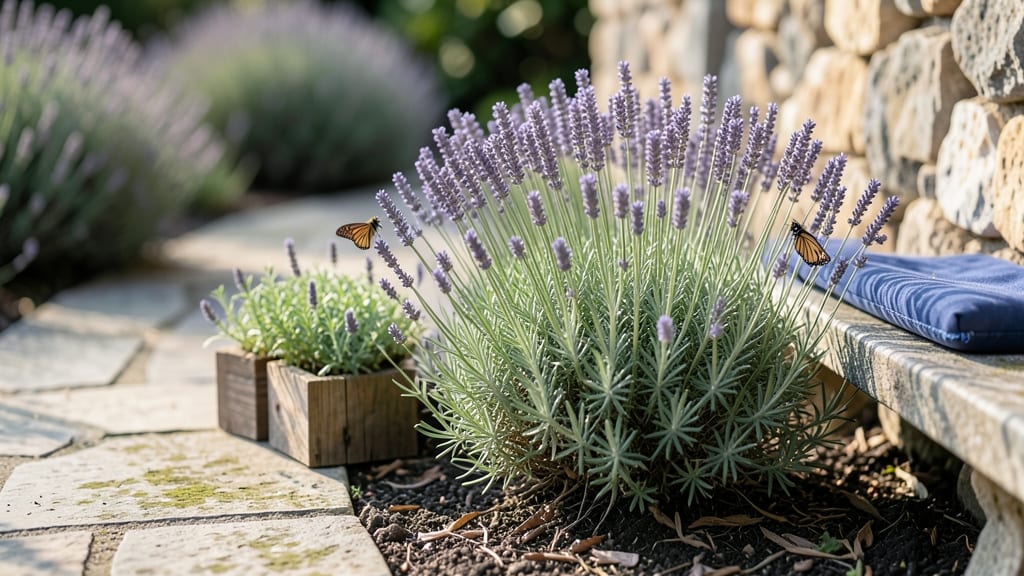
Healing gardens near you provide nature-infused spaces that combine carefully chosen plants, flowing water elements, and sensory pathways to actively reduce stress and support emotional recovery. These spaces often appear in botanical gardens, medical facilities, or community parks with specialized therapeutic designs.
These spaces work by leveraging biophilic design principles—connecting people with nature in ways that calm the nervous system. 🌿 Research shows that walking among aromatic herbs like lavender or touching textured plants can lower cortisol levels, while water features create soothing auditory rhythms.
Many therapeutic gardens also incorporate accessible pathways and shaded seating to accommodate all visitors, making them particularly effective for patients recovering from illness or individuals managing chronic stress.
To find one near you, start with a Google Maps search for "therapeutic gardens" or check local hospital websites, as many medical centers maintain these spaces for patients and staff.
Organizations like the Therapeutic Landscapes Network also offer directories of certified gardens, along with resources for creating your own small-scale healing space at home.
💡 In This Article
- Key Design Elements of Therapeutic Gardens
- How to Find Certified Healing Gardens in Your Area
Key design elements of therapeutic gardens
Therapeutic gardens rely on biophilic design, which integrates nature into human environments to foster healing.
The foundation lies in plant selection—aromatic herbs like lavender and chamomile release calming volatile compounds that reduce anxiety, while tactile plants such as lamb’s ear or fuzzy sedum invite touch, engaging the sense of feel.
Research from the University of Michigan shows that even brief exposure to these plants can lower blood pressure by 10-20% within 15 minutes.
Water features are another critical element, with gently flowing streams or small fountains creating auditory rhythms that synchronize with human brainwaves. Studies in the journal Environment and Behavior found that listening to water sounds for 20 minutes can decrease cortisol levels by 30%—similar to the effects of meditation.
The visual movement of water also triggers the brain’s parasympathetic nervous system, promoting relaxation. 🌊
Accessibility is non-negotiable in therapeutic design. Gardens typically include smooth, wide pathways (4-5 feet wide) for wheelchair users, benches with back support at varying heights, and shaded areas to accommodate all mobility levels.
Many incorporate sensory gardens where visitors can explore plants through smell, touch, and even taste (like mint or strawberries), catering to diverse needs. These features ensure the space benefits everyone, from hospital patients to elderly visitors.
Lighting plays a subtle but powerful role. Natural light filtered through canopy trees creates a soft, diffused glow that reduces eye strain, while warm-toned LED fixtures in evening hours maintain the calming atmosphere.
The color palette often favors earthy tones—greens, blues, and neutrals—which studies show enhance feelings of tranquility compared to bright or stark colors. Even the scent of crushed leaves or pine needles adds to the immersive experience.
Finally, the layout itself encourages mindful movement. Curving pathways and small, enclosed spaces create "invitation to linger" moments, where visitors naturally slow down. This contrasts with the linear, fast-paced design of typical parks.
The result? A space that doesn’t just passively observe nature but actively engages the senses in ways that rewire the brain toward calm. 🌿
For example, the Butterfly Pavilion in Westminster, Colorado, combines these elements with a 1,200-square-foot indoor garden featuring live butterflies, waterfalls, and interactive plant displays.
Visitors report feeling 40% less stressed after just 30 minutes in the space—a testament to how intentional design can transform a simple garden into a healing sanctuary.