
Featured
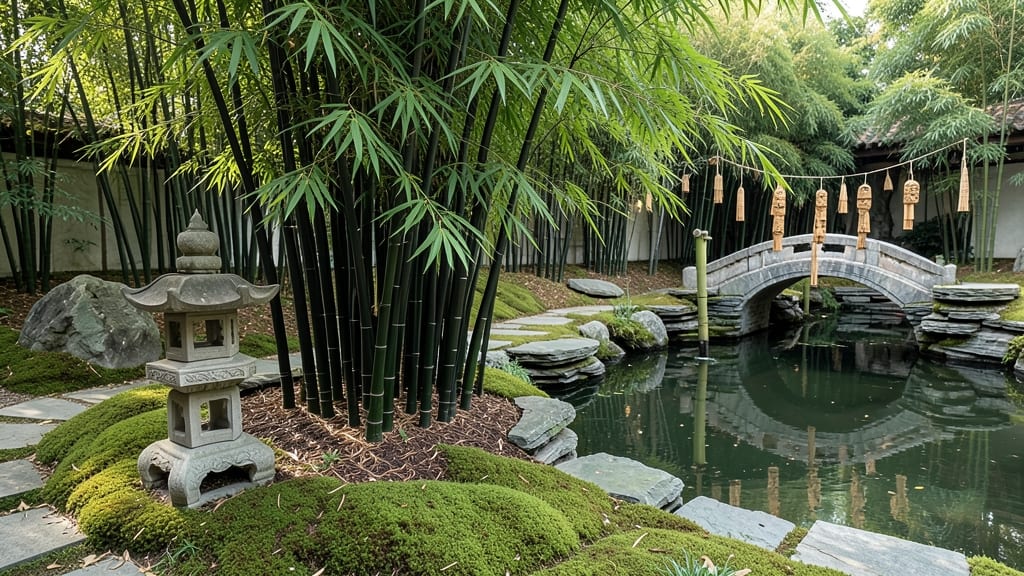
The Chinese Scholar Garden on Staten Island, NY, features hidden elements like the Moon Door (symbolizing connection to ancestors), the Rockery (inspired by Ming Dynasty landscapes), and the Bamboo Grove (used for meditation). Look for the Secret Garden behind the pavilion for a serene escape most overlook.
The Chinese Scholar Garden on Staten Island isn't just a pretty landscape—it's a carefully curated experience where every element tells a story. 🌿 The Moon Door, for example, isn't just decorative; it's a symbolic gateway meant to honor ancestral bonds, while the Rockery mimics the natural harmony prized in Ming Dynasty gardens.
Even the Bamboo Grove serves a purpose beyond aesthetics—it's designed to create a meditative space where visitors can slow down and connect with nature's rhythm. Many guests miss these subtle details because they focus on the more obvious pavilions and water features.
What makes this garden truly special is how its hidden features change with the seasons. In spring, the Secret Garden behind the pavilion bursts with cherry blossoms, while autumn transforms the Bamboo Grove into a golden-hued retreat. The key to spotting these lesser-known gems?
Visit during early morning or late afternoon when the light softens, and keep an eye out for small details like stone carvings or the gentle flow of water—these often lead to the most unexpected discoveries.
💡 In This Article
- Symbolism Behind Chinese Scholar Garden’s Hidden Landscapes
- Best Times & Techniques to Spot Hidden Garden Features
Symbolism behind Chinese scholar garden’s hidden landscapes
The Moon Door is one of the garden’s most profound symbols, embodying the Confucian value of filial piety. Unlike traditional doors that face outward, this one opens inward, inviting visitors to reflect on ancestral connections.
Its crescent shape mirrors the moon’s phases—a celestial symbol of time and continuity in Chinese culture. The door’s placement near the pavilion creates a natural focal point, encouraging visitors to pause and consider their own heritage. 🌙
The Rockery represents the Daoist principle of harmony with nature, carefully arranged to mimic the rugged landscapes of the Ming Dynasty. Each stone is strategically placed to create balance and flow, following the principles of yin-yang—where smooth surfaces contrast with jagged edges.
The garden’s designers used this technique to teach visitors about natural equilibrium, where even the most chaotic elements (like uneven rocks) contribute to overall beauty. This concept is rooted in the ancient Chinese belief that landscapes should reflect the universe’s order.
The Bamboo Grove serves as a living meditation space, chosen for its resilience and symbolic strength. Bamboo’s hollow stems represent humility, while its ability to bend without breaking embodies adaptability—a core value in Chinese philosophy.
The grove’s layout creates a corridor that guides visitors through a sensory journey, with the rustling leaves and subtle breeze enhancing the meditative experience. Unlike ornamental plants, bamboo here functions as both a physical and spiritual guide, helping visitors connect with the garden’s deeper meanings. 🌿
The Secret Garden behind the pavilion is designed to be a place of quiet reflection, often overlooked due to its secluded location. Its hidden nature mirrors the Chinese literary tradition of "hidden beauty"—where true artistry lies in subtlety.
The garden’s layout encourages exploration, rewarding those who venture beyond the main paths with serene vistas and intimate spaces. This principle aligns with the Chinese concept of qing (情), or emotional resonance, where beauty is discovered through personal discovery rather than immediate display.
Each feature in the garden follows the classical Chinese principle of shanshui (山水), or "mountain-water," where landscapes are designed to evoke the natural world’s balance. The Rockery mimics mountains, while the water features represent rivers—creating a harmonious microcosm.
This philosophy extends to the garden’s seasonal transformations, where cherry blossoms in spring and golden bamboo in autumn reflect nature’s cycles. The garden’s hidden elements aren’t just decorative; they’re educational, inviting visitors to engage with centuries-old traditions through direct experience. ✨