
Container Gardens
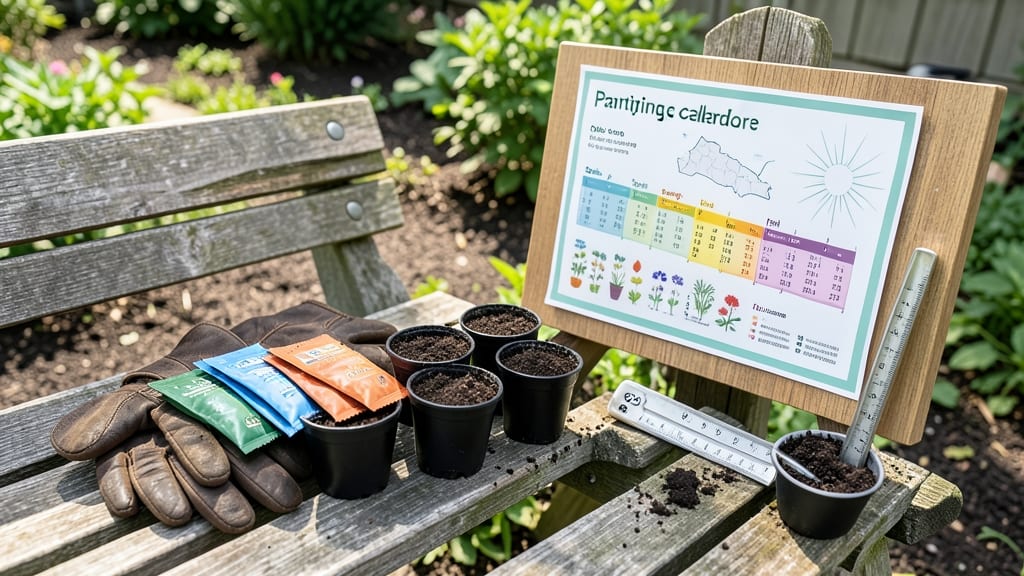
Planting gardens in Ohio at the right time means the difference between a bountiful harvest and wasted effort—especially when frost can strike as late as mid-April in some zones.
Ohio’s unpredictable spring weather can turn your gardening dreams into a gamble unless you know the exact frost-free dates for your zone. Planting too early risks frost damage, while waiting too long cuts your growing season short.
Whether you’re sowing cool-season 🥕 vegetables like spinach or warm-season favorites like tomatoes, timing is everything. This guide breaks down Ohio’s frost dates by zone, so you can plan for peak growth and avoid common mistakes.
You’ll learn how to adjust for late frosts, extend your season with row covers, and choose the best crops for early, mid-season, and late plantings—all tailored to Ohio’s climate.
Ohio’s frost-free dates by zone: when to plant cool-season vs. warm-season crops
Ohio spans USDA zones 5a through 6b, meaning frost dates can vary by 2-3 weeks from northern to southern regions. Understanding these frost-free windows is critical for timing cool-season crops like spinach and warm-season crops like tomatoes.
Urban areas often experience earlier frosts than rural zones due to the "heat island" effect.
For example, Zone 5a (northeast Ohio) typically sees its last frost around May 10th, while Zone 6b (southwest Ohio) averages April 20th. These dates determine whether you can plant peas in March or wait until mid-May for tomatoes.
Historical data shows 10-15% variability year-to-year, so flexibility is key.
Below is your zone-by-zone planting guide, including average last frost dates, ideal planting windows, and microclimate adjustments for urban vs. rural gardens. Use this to align your seed starting and transplanting with Ohio’s natural rhythm.
Pro Tip: Always check soil temperatures (use a soil thermometer) before planting—50°F+ for most vegetables, 60°F+ for warm-season crops. Cold soil can stunt growth even after the last frost.
| Zone | Avg. Last Frost | Cool-Season Planting | Warm-Season Planting | Microclimate Adjustments |
|---|---|---|---|---|
| 5a (Northeast) | May 10 | March 15–April 15 | May 20–June 1 | Urban: 1 week later; Rural: 1 week earlier |
| 5b (North-Central) | April 25 | March 1–April 1 | May 1–May 15 | Urban: 5 days later; Rural: 5 days earlier |
| 6a (South-Central) | April 15 | February 28–March 31 | April 25–May 10 | Urban: 3 days later; Rural: 3 days earlier |
| 6b (Southwest) | April 10 | February 15–March 15 | April 15–April 30 | Urban: 1 week later; Rural: 1 week earlier |
In Zone 5a, start cool-season crops like kale and peas indoors by February 15th for transplanting after the last frost. Warm-season crops such as tomatoes and peppers should wait until May 20th or use row covers for earlier planting.
For Zone 6b, you can plant spinach as early as February 15th outdoors with protection.
Urban gardens in cities like Cleveland (Zone 5b) often experience later frosts due to concrete absorbing heat. Adjust by planting 1 week later than rural areas. Conversely, rural zones like southwest Ohio may have earlier soil warming, allowing earlier warm-season plantings by 2-3 weeks.
For
How to adjust planting times for Ohio’s unpredictable weather patterns
Ohio’s unpredictable spring weather can leave even experienced gardeners guessing about the best planting times. One year, your tomatoes might thrive when planted in early May, while the next, a late frost in April could wipe out your seedlings.
The key is flexibility—knowing how to adjust planting schedules based on real-time conditions rather than relying solely on average frost dates.
I’ve learned that succession planting and cold-hardy varieties are my best tools for beating Ohio’s whims. For example, spinach and kale can handle light frosts, while peppers and eggplants need soil temperatures above 60°F to thrive. Let’s break down the strategies that have saved my garden from Mother Nature’s surprises.
- 1 Use row covers for early spring plantings. Lightweight fabric like frost blankets can protect seedlings from late frosts while still allowing sunlight and water through. I’ve used them to extend my cucumber season by 2-3 weeks in northern Ohio.
- 2 Plant cold-hardy varieties first. Crops like peas, lettuce, and radishes can handle 32°F temperatures and are perfect for early March plantings. These act as markers for when soil warms up enough for heat-loving plants.
- 3 Monitor soil temperature with a soil thermometer. Most warm-season crops like tomatoes and beans need soil at 60°F+. I wait until my thermometer reads consistently above this threshold before planting, even if the air feels warm.
- 4 Implement succession planting every 2 weeks. Instead of planting all your lettuce at once, stagger plantings to ensure a continuous harvest. This works especially well for fast-growing crops like bush beans or radishes.
- 5 Adjust for microclimates. Urban areas like Columbus can be 5°F warmer than rural zones due to heat islands. If you’re in a city, plant heat-sensitive crops like cucumbers a week earlier than rural guidelines suggest.
Another trick I’ve picked up is using container gardens for heat-loving plants. Pots warm up faster in spring and can be moved to sheltered spots if a frost warning pops up.
For example, I plant peppers in 5-gallon buckets and keep them near my south-facing wall until the risk of frost passes completely.
Don’t forget about fall planting for a second harvest! Crops like broccoli and carrots can be sown in late August for a winter harvest. Just be sure to use row covers or mulch to insulate them from early frosts.
I’ve had kale survive until December with just a thick layer of straw mulch.
Finally, keep a gardening journal to track your local frost dates and planting successes. Over time, you’ll spot patterns—like how 2023’s late frost delayed my tomato planting by 3 weeks compared to 2022. This data becomes your personalized planting calendar, far more reliable than generic zone guidelines.