
Container Gardens
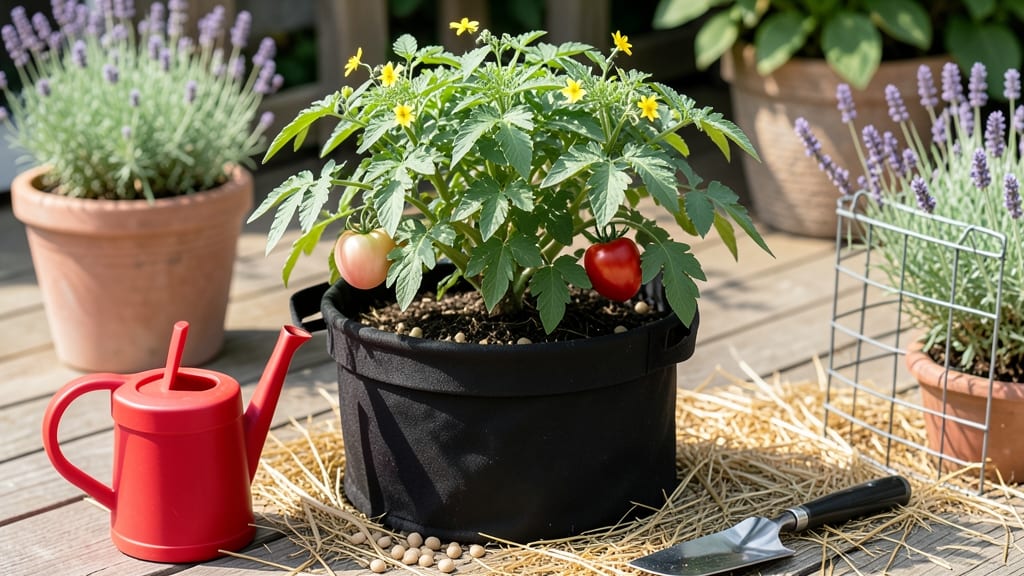
Growing a vegetable garden in pots is perfect for small spaces when you select shallow-rooted, quick-growing plants like lettuce, radishes, or cherry tomatoes. Use lightweight containers with drainage, fill them with nutrient-rich potting mix, and place them in full sun (at least 6 hours daily) while keeping soil consistently moist.
Container gardening lets you grow fresh produce even on balconies or patios, but success depends on matching plants to their pots. 🌱 For instance, leafy greens like kale or spinach need only 6-inch-deep containers, while tomatoes require deeper pots (12+ inches) to support their roots.
The key is balancing container size with plant needs—overcrowding leads to poor airflow and disease, while undersized pots stunt growth. I always start with a moisture meter to avoid overwatering, which is the #1 killer of potted plants.
Beyond plant selection, soil quality makes all the difference. A mix of 60% potting soil, 20% compost, and 20% perlite ensures drainage while retaining moisture. Add a slow-release fertilizer at planting time, then top-dress with compost every 4-6 weeks to replenish nutrients.
For extra productivity, try companion planting—basil near tomatoes repels pests naturally, and carrots grow well alongside onions to deter flies.
💡 In This Article
- Best Container Vegetables for Small Spaces
- Step-by-Step Guide to Setting Up a Thriving Potted Vegetable Garden
Best container vegetables for small spaces
The secret to successful container gardening lies in understanding root systems and growth habits. Plants like radishes and lettuce have shallow roots (6-8 inches deep), making them ideal for 6-inch-deep pots or even window boxes.
Their fast maturation (30-45 days) means you can harvest multiple crops in one season, maximizing your small space. 🌱 For example, a 10-inch diameter pot can comfortably grow 4-6 radish plants spaced 2 inches apart, while a single head of butter lettuce thrives in a 5-inch pot with minimal root competition.
Dwarf varieties are your best friends in container gardening because they're bred to stay compact. Cherry tomatoes, for instance, stay under 3 feet tall with proper pruning, fitting perfectly in 12-inch-deep pots with support cages.
Their indeterminate growth habit means they'll produce fruit all season long if you provide 6-8 hours of direct sunlight daily and pinch off suckers regularly. Compare that to full-size tomatoes, which need 18-inch pots and 12+ hours of sun—clearly, dwarf varieties are the space-savers!
Microgreens offer another brilliant option for tiny spaces. These young vegetable greens (like broccoli or pea shoots) can be harvested in just 10-14 days and grow in 4-inch-deep trays with 1-inch spacing between plants. Their rapid growth cycle means you can succession plant every 2 weeks for a continuous harvest.
The flavor? Intense and concentrated—broccoli microgreens pack 40 times more vitamin C than mature broccoli, making them a nutritional powerhouse in a small footprint.
Herbs often get overlooked in container gardens, but they're perfect for pots. Basil, for example, thrives in 6-inch pots and loves full sun (6+ hours), while parsley prefers partial shade (4-6 hours of sun).
The key difference is their root depth—basil's fibrous roots spread outward, while parsley has a deeper taproot (8-10 inches), requiring slightly deeper containers. 🌿 Both grow quickly (30-60 days to harvest) and can be snipped continuously without transplanting, making them ideal for balcony gardens.
When planning your layout, consider vertical space too. Pole beans, like 'Kentucky Wonder,' grow 6-8 feet tall but have shallow roots (6-12 inches deep), making them perfect for 12-inch-deep pots with trellises.
Their nitrogen-fixing roots improve soil health while producing 2-3 pounds of beans per plant—far more than bush varieties in the same space. For maximum efficiency, pair beans with heavy feeders like peppers in separate pots, as beans naturally replenish nutrients in the soil.
One common mistake is underestimating spacing needs. Crowding plants leads to poor airflow, which invites fungal diseases like powdery mildew. For instance, dwarf pepper plants need 12 inches of diameter per plant, while bush beans only require 4 inches.
Always check seed packets for spacing recommendations—they're based on years of plant breeding data. Pro tip: Use a 1-inch layer of mulch (like straw) to retain moisture and suppress weeds, which is especially important in containers where soil dries out faster than in-ground gardens.