
Container Gardens
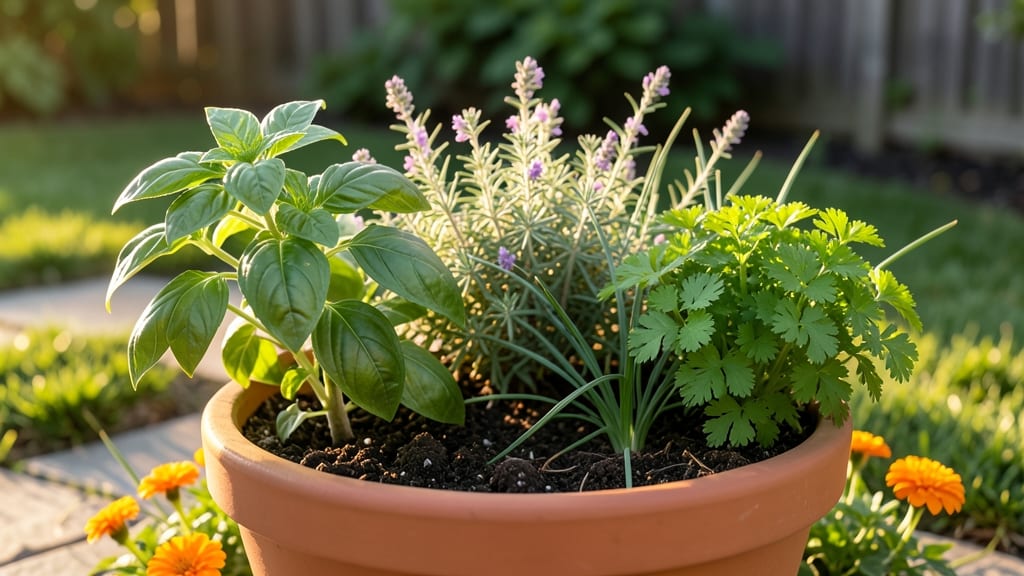
15-gallon garden pots are ideal for growing medium-sized vegetables, herbs, and dwarf fruit trees because they provide sufficient root space while remaining manageable to move. Opt for containers with drainage holes and durable materials like fabric or thick plastic to ensure long-term plant health.
A 15-gallon container holds about 10-12 cubic feet of soil, which is perfect for plants needing moderate root space without becoming top-heavy. 🌱 The deeper roots can spread, the better they absorb water and nutrients—critical for heavy feeders like tomatoes or peppers.
I’ve found that fabric pots actually improve aeration around roots compared to rigid plastic, reducing compaction over time. For best results, pair your pot with a high-quality potting mix that drains well but retains moisture.
This size strikes the balance between productivity and portability—big enough for meaningful harvests but still easy to relocate if your space gets too crowded. Dwarf citrus trees and bush beans thrive here, while herbs like rosemary or thyme can produce abundantly for years with proper pruning.
The key is matching plant needs to container size: shallow-rooted herbs do well, but deep-rooted veggies need the extra depth to prevent stress.
💡 In This Article
- How 15-Gallon Pots Support Root Growth and Plant Health
- Best Plants for 15-Gallon Pots and Their Yield Potential
How 15-Gallon pots support root growth and plant health
Root development thrives in a 15-gallon container because it provides 10-12 cubic feet of soil, which is the sweet spot for medium-sized plants. The depth—typically 12-18 inches—allows roots to spread downward while the width (around 18-24 inches) prevents overcrowding.
This balance is critical: shallow pots restrict root growth, while oversized containers waste space and become unwieldy. The ideal soil volume ensures roots can access moisture and nutrients efficiently without becoming root-bound.
Drainage and aeration are equally important. Pots with drainage holes prevent waterlogging, which can suffocate roots and lead to rot. Fabric pots take this further by allowing excess moisture to evaporate through the walls, creating better oxygen circulation around the roots.
Studies show plants in fabric containers often grow 20-30% faster than in rigid plastic because the roots aren’t constrained by compacted soil. For best results, use a potting mix with 30-40% perlite or vermiculite to improve aeration while retaining moisture.
Stability matters too—especially for top-heavy plants like tomatoes or peppers. A 15-gallon pot’s weight (filled with soil) typically ranges from 40-60 pounds, which is manageable but requires sturdy materials. Heavy-duty plastic or thick fabric prevents warping, while wider bases improve balance.
I’ve noticed that plants in these pots develop stronger stems because they’re less likely to tip over, reducing stress on the plant’s structural integrity.
Nutrient absorption is another key benefit. The soil volume in a 15-gallon pot holds enough nutrients to sustain plants for 4-6 weeks between feedings, depending on the plant’s needs. For example, tomatoes—heavy feeders—require regular fertilization, while herbs like rosemary can thrive with minimal input.
The larger root zone also helps plants recover from drought or temperature fluctuations, making them more resilient than those in smaller containers.
Consider this comparison: a 5-gallon pot might work for herbs but struggles with tomatoes, while a 25-gallon pot becomes difficult to move. The 15-gallon size is the Goldilocks zone—big enough for meaningful yields but small enough to avoid the drawbacks of oversized containers.
For instance, a dwarf Meyer lemon tree in a 15-gallon pot can produce 50-100 lemons per year, whereas the same tree in a 5-gallon pot might yield only 10-20 fruits.
One nuance to watch is pruning. Plants in containers need regular pruning to prevent roots from circling the pot, which can strangle growth. I recommend trimming roots during repotting if you notice them growing in tight circles.
This encourages outward growth and maximizes the pot’s volume. For example, a zucchini plant in a 15-gallon pot can produce 8-12 fruits per season if pruned correctly, compared to just 2-4 fruits in an unpruned smaller pot.