
Size
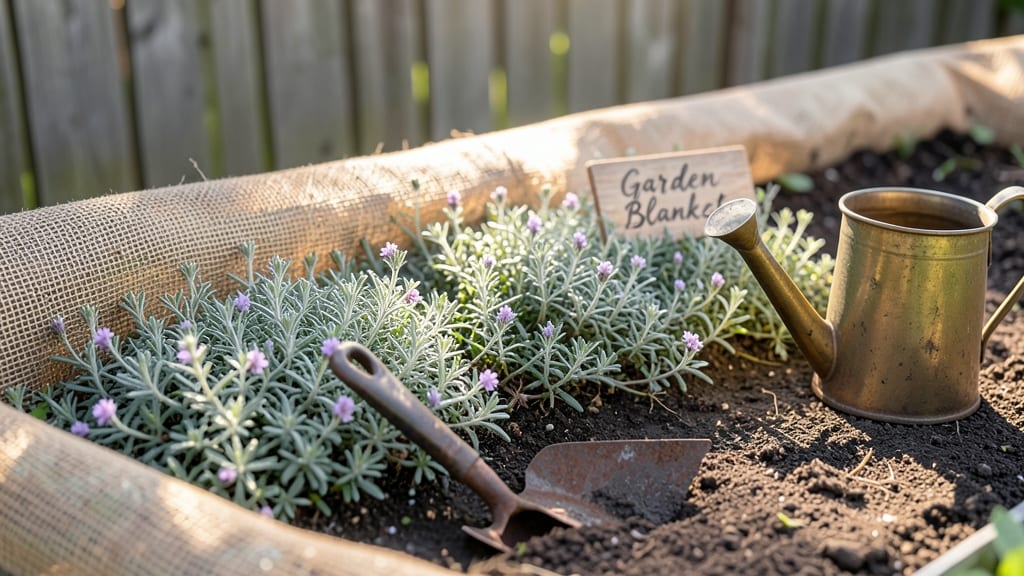
To grow a garden blanket, you'll create a living mulch layer using fast-growing ground covers like clover or creeping thyme that smother weeds while enriching the soil. Begin with a weed-free base, plant your chosen cover crops densely, and keep them consistently moist to establish full coverage in 4-8 weeks.
This living mulch technique works by outcompeting weeds for sunlight and nutrients, while the plants' roots improve soil structure over time. 🌱 The key is selecting plants that grow aggressively—like buckwheat or microgreens—which can establish quickly even in challenging conditions.
Once fully established, your garden blanket will suppress weeds naturally, reduce water evaporation, and even deter pests by eliminating bare soil spaces where they thrive.
For best results, I recommend starting with a mix of seeds rather than single-species planting. This creates a more resilient ground cover that's less likely to develop gaps.
After 4-8 weeks, you can either maintain the blanket as a permanent solution or transition to permanent crops by cutting back the cover plants and using them as mulch.
💡 In This Article
- Best Plants for a Dense, Weed-Suppressing Garden Blanket
- Step-by-Step Guide to Layering Your Garden Blanket
Best plants for a dense, weed-suppressing garden blanket
The magic of a garden blanket lies in its ability to outcompete weeds through sheer density and rapid growth. Plants like white clover (Trifolium repens) grow aggressively with a sprawling habit, forming a dense mat that blocks 90% of sunlight from reaching weed seeds below.
Its nitrogen-fixing roots also add 50-100 pounds of nitrogen per acre annually to the soil, creating a nutrient-rich environment while suffocating unwanted plants.
Creeping thyme (Thymus serpyllum) offers a fragrant alternative that thrives in poor soils while suppressing weeds through its dense, woody stems. This perennial reaches 6-12 inches tall and spreads 12-18 inches wide, creating an impenetrable barrier.
Its aromatic leaves also deter pests naturally, reducing the need for chemical interventions. For faster results, consider buckwheat (Fagopyrum esculentum), which germinates in just 5-7 days and reaches full coverage in 6-8 weeks—ideal for summer planting.
Microgreens like sunflower or radish offer another option, growing 2-3 inches tall in 10-14 days and providing a temporary but highly effective weed barrier. Their rapid growth makes them perfect for filling gaps between slower-growing plants.
The key is choosing plants that match your climate—cool-season options like crimson clover thrive in spring/fall, while warm-season choices like sunn hemp perform best in summer heat.
What most gardeners don't realize is how these plants work together to improve soil structure. Clover's deep taproots break up compacted soil, while thyme's shallow roots create air pockets that enhance water infiltration.
This dual-action prevents soil erosion while creating an ideal environment for future plantings. The combination of root systems also prevents nutrient leaching, keeping essential minerals available for your garden's long-term health.
For maximum effectiveness, aim for a 50-70% ground cover within the first 4-6 weeks. This density ensures weeds can't establish while maintaining enough airflow to prevent fungal issues.
Consider adding legumes (like vetch) to your mix—they fix atmospheric nitrogen, reducing the need for synthetic fertilizers while improving soil fertility over time.
One advanced technique is to use a three-layer approach: start with fast-growing annuals (like buckwheat) for immediate coverage, add perennial ground covers (like thyme) for long-term suppression, and incorporate nitrogen-fixers (like clover) to boost soil health.
This layered strategy creates a resilient system that adapts to seasonal changes while maintaining its weed-suppressing properties.