
Watering
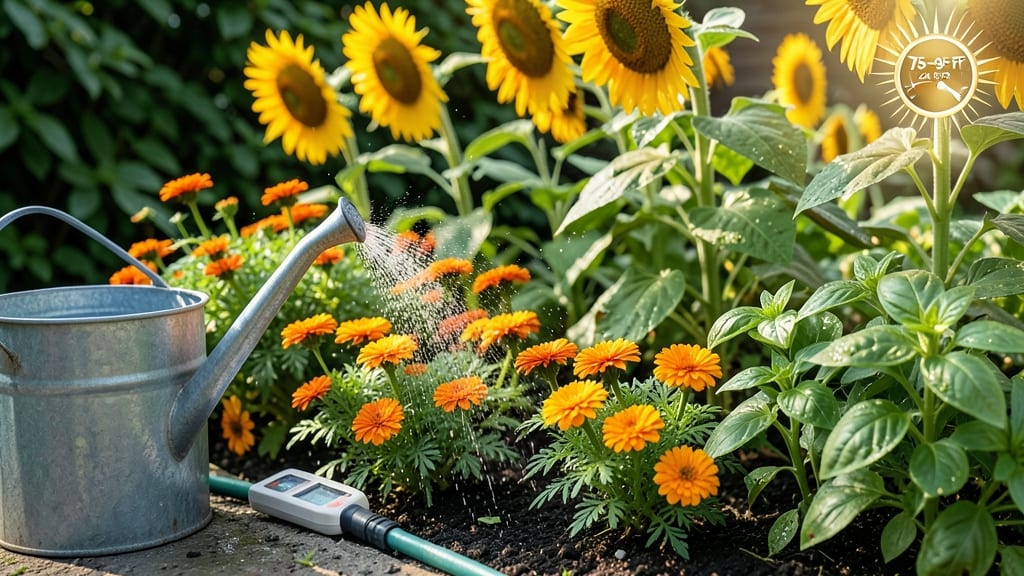
Watering your garden in summer how often depends on soil type, plant needs, and heat levels—but most gardens need deep watering every 2-3 days to keep roots happy.
Summer heat can turn your garden into a battleground for survival—overwatering drowns roots while underwatering stresses plants to death. The key? A soil-specific watering schedule that keeps your garden thriving without waste.
Clay soil holds moisture longer, while sandy soil dries out fast. Morning watering reduces evaporation, and mulch locks in moisture for hours longer. Without the right approach, even drought-resistant plants like lavender or rosemary can wilt under 100°F temps.
Below, I break down the exact watering schedule for your soil type, how to spot over- or under-watering, and the one trick that cuts water use by 40%—no fancy tools required.
Summer watering frequency by soil type: a science-backed guide
Summer heat can turn your garden into a battleground for survival—overwatering drowns roots while underwatering stresses plants to death. The key? A soil-specific watering schedule that keeps your garden thriving without waste.
Different soils hold moisture differently, so understanding your garden's foundation is critical for efficient watering and plant health.
Your soil type determines how often you water because it affects moisture retention and root access. Sandy soils drain quickly, requiring frequent watering, while clay soils hold moisture longer, needing less frequent but deeper watering.
Loamy soils strike a balance, and rocky soils force water to run off unless you amend them properly. Let’s break down the science-backed watering schedule for each type.
📊 SUMMARY-TABLE: SUMMER WATERING BY SOIL TYPE
| Soil Type | Moisture Retention | Watering Frequency (Summer) | Watering Depth | Best Plants for This Soil |
|---|---|---|---|---|
| Sandy | Low (drains fast) | Every 1-2 days (daily in heatwaves) | 1-2 inches (shallow roots) | Tomatoes, peppers, carrots, herbs (basil, parsley) |
| Loamy | Moderate (ideal balance) | Every 3-5 days (adjust for rain) | 2-3 inches (deep roots) | Roses, beans, squash, zucchini, lettuce |
| Clay | High (holds moisture well) | Every 5-7 days (deep soak only) | 3-4 inches (compacted roots) | Peonies, hostas, rhododendrons, ferns |
| Rocky | Very Low (water runs off) | Every 1-3 days (mulch heavily) | 1-2 inches (shallow watering) | Succulents, lavender, thyme, sedum |
If you’re unsure about your soil type, perform a simple jar test: Fill a jar with soil and water, then observe how quickly the water drains. Sandy soil will separate cleanly, while clay soil will stay muddy. Loamy soil will have a balanced layering of sand, silt, and clay.
For sandy soils, watering frequently but lightly mimics natural rainfall. Plants like tomatoes and peppers thrive here but need daily checks during heatwaves. Use a soaker hose to deliver water directly to roots without wasting it on evaporation.
My basil plants in sandy soil wilt by noon if I skip morning watering—so I set a reminder for 6 AM watering during peak summer.
Loamy soils are gardener’s gold because they retain moisture while allowing excess to drain. This is where most vegetables and flowers flourish with 3-5 days between waterings. I’ve noticed my zucchini plants produce better when watered deeply every 4 days rather than lightly daily. Always water at the base of the plant to avoid fungal diseases like powdery mildew.
Clay soils can be a double-edged sword—they hold water like a sponge but also suffocate roots if overwatered. Plants like hostas and rhododendrons love clay because it keeps them hydrated for weeks. However, overwatering leads to root rot, so I water deeply every 7 days and add compost to improve drainage. A moisture meter is a game-changer here to avoid guesswork.
Rocky soils are the most challenging because water runs off instead of soaking in. Amend them with organic matter like compost or leaf mold to improve water retention. Plants like lavender and succulents thrive here with light, frequent watering. I’ve seen sedum survive weeks without water in rocky soils, but mulching with straw helps retain every drop.
Pro tip: Mulch is your best friend in summer. A 3-inch layer of mulch (straw, wood chips, or leaves) reduces evaporation by up to 50% and keeps roots cool.
I’ve cut my watering needs in half since I started mulching my rose bushes—they’re happier and healthier too. Pair mulch with drip irrigation for the most efficient system.
Adjust your schedule based on weather forecasts. If a heatwave is predicted, water daily for sandy soils or every other day for loamy soils. Conversely, after a heavy rain, skip watering entirely and let the soil recharge.
Pay attention to your plants’ early-morning wilting—it’s a sign they need water, not afternoon droop from heat stress.
Remember, deep watering encourages roots to grow downward, making plants more drought-resistant. Use a trowel or screwdriver to check soil moisture: If it’s dry 2 inches down, it’s time to water.
With this soil-specific approach, your garden will stay lush, your plants will thrive, and you’ll conserve water too. Happy gardening! 🌱☀️
Signs your garden needs water (and when to adjust your schedule)
Summer heat can trick even seasoned gardeners into misjudging when plants need water. Wilting leaves or yellowing foliage are obvious red flags, but subtle cues like soil moisture and root health often reveal deeper issues before visible damage appears.
The key is learning to read your garden's unique signals—whether it's thirsty for a deep drink or drowning in excess moisture.
Most gardeners assume wilting always means underwatering, but overwatering causes wilting too—just with soft, mushy stems instead of crisp, dry ones. Leaf curl or drooping in the heat of the day is normal, but if plants stay limp even at morning hours, it’s time to check the soil.
A simple finger test (inserting your finger 1-2 inches deep) can tell you if roots are begging for hydration or suffocating in soggy conditions.
⚠️ Watering Warning: Summer Over/Underwatering Pitfalls
In 90°F+ heat, most gardens need daily watering—but clay soil holds moisture longer than sandy soil, which dries out in 24 hours. Here’s how to adjust:
- Sandy soil: Water every 1-2 days (deep soak).
- Loamy soil: Water every 2-3 days (1-2 inches per week).
- Clay soil: Water every 3-4 days (risk of waterlogging).
- Heatwave (100°F+): Increase frequency by 50% and water early morning** to prevent evaporation.
💡 Pro Tip: Use a moisture meter or plastic bottle test (bury a bottle, fill with water, and check evaporation rate) to calibrate your schedule.
Watch for leaf color changes—yellowing between veins often signals overwatering (root rot), while brown, crispy edges scream underwatering. Tomatoes and peppers drop fruit when thirsty, while herbs like basil wilt dramatically but recover quickly with a drink. Succulents and lavender, however, prefer dry soil and wilt to store water—so adjust your expectations based on the plant type.
Humidity plays a sneaky role too. In dry, arid climates, water evaporates faster, so you might need to water twice daily during heatwaves. But in humid summers, fungal diseases like powdery mildew thrive if you water at night.
Always aim for morning watering to let foliage dry before evening. If your area’s humidity drops below 40%, increase watering by 30% to compensate.
Don’t ignore the roots—lift a plant gently to check for healthy white roots. If roots smell rotten or look black/mushy, you’ve overwatered.
Conversely, if roots are tightly packed and brittle, the plant is desperate for moisture. Mulch (2-3 inches of straw or wood chips) can buy you 2-3 extra days between waterings by locking in moisture and insulating roots from temperature swings.
Adjust your schedule weekly, not just seasonally. Track rainfall, wind patterns, and shade changes—a new tree or fence can alter your garden’s microclimate overnight. When in doubt, underwater slightly; most plants bounce back faster from thirst than from root rot.
And remember: container plants dry out 3x faster than in-ground gardens, so check them daily in summer.