
Vegetables
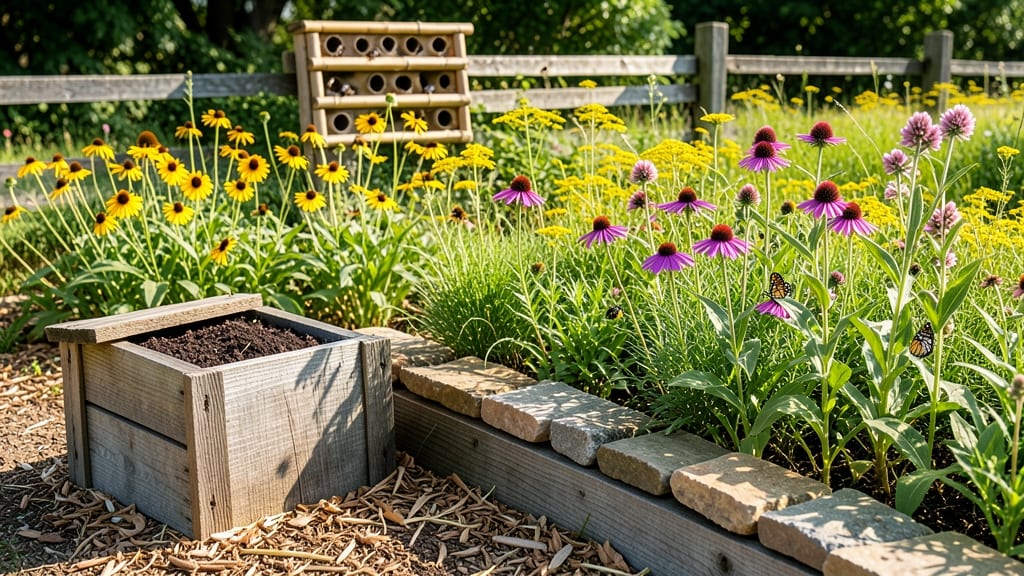
A green state gardener focuses on growing food sustainably year-round by choosing plants that match their local climate, protecting them with simple season extension tools, and maintaining rich, organic soil to maximize harvests without waste.
Becoming a green state gardener means working with nature's rhythms rather than against them. 🌱 I've found that the key lies in three pillars: plant selection tailored to your region's frost dates, low-cost protection like row covers and mulch, and soil vitality through composting and organic amendments.
For example, in Zone 5, you can grow kale through winter by covering it with a simple hoop house, while in warmer climates, you might focus on succession planting every 3 weeks to keep the harvest flowing.
The beauty of this approach is that it reduces food miles, cuts waste, and creates a self-sustaining ecosystem in your backyard.
What sets successful green state gardeners apart is their ability to turn challenges into opportunities. Instead of fighting short seasons with expensive greenhouses, they use DIY solutions like cold frames made from old windows or straw bale insulation for raised beds.
The soil becomes the foundation—amending it with compost and worm castings not only feeds plants but also builds resilience against pests and drought. I've seen gardens in urban apartments thrive using these principles, proving that location doesn't limit your ability to grow food sustainably.
💡 In This Article
- Climate-Smart Plant Selection for Year-Round Gardens
- Low-Tech Season Extension Tools for All Gardens
Climate-smart plant selection for year-round gardens
Matching plants to your microclimate starts with understanding your USDA Hardiness Zone and last frost date.
For example, in Zone 6, where I garden, spinach can survive light frosts down to 20°F, while lettuce thrives in cooler weather (40-60°F) but bolts when temperatures rise above 75°F.
The trick is to choose varieties bred for your specific conditions—like 'Winter Density' kale, which produces sweet leaves even at 15°F, or 'Arctic King' peas that germinate at 35°F instead of the usual 45°F.
Perennials form the backbone of a year-round garden because they return annually with minimal replanting. Asparagus crowns, for instance, establish in 2-3 years and produce spears for 15+ years, while rhubarb thrives in Zone 3-9 and yields edible stalks from early spring until frost.
Pair these with cold-hardy annuals like calendula (edible petals) or Swiss chard, which tastes sweeter after light frost. Succession planting—sowing fast-maturing crops like radishes (25 days) every 2 weeks—keeps harvests flowing even when others fade.
Microclimates create opportunities within your garden. A south-facing wall absorbs heat and can extend the season by 2-4 weeks compared to open ground. In my Zone 5 garden, I plant heat-loving basil near the house where it stays 10°F warmer than the garden center, while cold-sensitive tomatoes get protected spots.
Shade from trees also matters: leafy greens like arugula prefer partial shade in summer but need full sun in cooler months. 🌿
Soil temperature plays a hidden but critical role. Most seeds won't germinate until soil reaches 50-60°F, but cold-hardy crops like peas can start at 40°F. Use a soil thermometer to time plantings—waiting for the right temperature prevents wasted seeds.
In my experience, amending beds with composted manure raises soil temperature 2-3°F faster than unamended ground, giving early starts to cool-season crops.
Don't overlook the power of companion planting to naturally extend harvests. For example, planting nasturtiums around brassicas deters pests while adding edible flowers to salads. In my garden, this combo has kept cabbage families producing through three harvest seasons instead of one.
The nasturtiums also tolerate light frost, creating a protective barrier for more tender crops.
Regional examples show how this works in practice: In Pacific Northwest Zone 8, gardeners grow overwintering broccoli that matures in 90 days from transplant, while in Deep South Zone 10, they focus on shade-tolerant greens like malabar spinach during summer heat.
The key is observing what thrives naturally in your area and building from there.