
Light Requirements
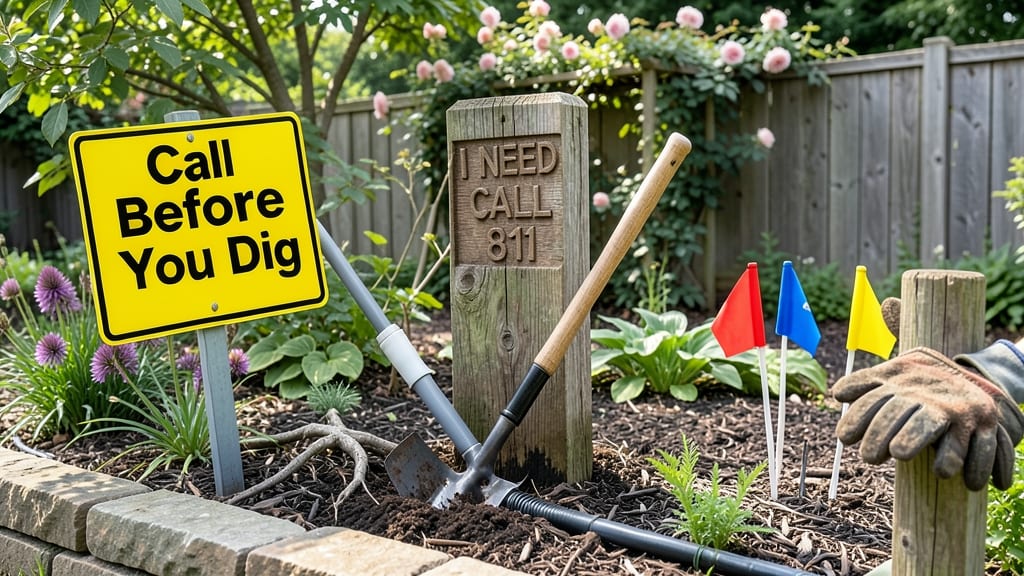
Yes, you need to call 811 before digging a garden in most U.S. states to locate underground utilities and avoid dangerous accidents, including gas lines, electrical cables, or water pipes near planting areas.
This simple call to 811 connects you to your state's One-Call system, which notifies utility companies to mark buried lines with flags or paint. 🔥 The process takes about 2-10 business days depending on your location, so plan ahead—especially for spring planting seasons.
Even small-scale digging, like adding a few perennials, can risk striking hidden lines if you don't follow this step. I always recommend double-checking marked areas with a metal detector for extra safety before breaking ground.
Most states enforce fines for non-compliance, typically ranging from $100 to $1,000 depending on the severity of the accident.
Some areas even require permits for larger garden projects. Exemptions usually apply only to hand-digging under 12 inches deep in certain states, but it's never worth the risk—especially when the service is free and takes just minutes to arrange.
💡 In This Article
- How the 811 Utility Notification System Works for Gardens
- State-Specific Rules and Penalties for Skipping 811
How the 811 utility notification system works for gardens
The 811 system operates through your state's One-Call center, which aggregates requests and notifies utility companies—including gas, electric, water, and telecommunications providers—about your digging plans.
When you call or submit online, your request is logged in a centralized database, triggering utility companies to physically mark their underground lines with brightly colored flags or paint within 2-10 business days.
These markers typically include symbols like a yellow flag for gas, red for electric, and blue for water, making it instantly clear where to avoid digging.
Here’s what happens behind the scenes: Your request generates a ticket number for tracking, and utility companies use GPS coordinates to pinpoint line locations with 90% accuracy or better.
However, older maps or recent line shifts can create gaps—this is why many professionals recommend using a metal detector or ground-penetrating radar to verify marked areas before digging.
For example, in Texas, the system handles over 2 million requests annually, yet strikes still occur in 1-2% of cases due to unmarked lines or human error.
If a strike happens, the consequences escalate quickly. Gas line ruptures can cause explosions or carbon monoxide poisoning, while electrical strikes risk electrocution or fires. Water line breaks may flood your garden or property, and telecommunications lines can disrupt service for entire neighborhoods.
The National Safety Council reports that 1 in 300 digging incidents results in a fatality, making 811 the single most effective preventive measure for gardeners and contractors alike.
Timing is critical because utility markings fade or shift over time. Most states require you to wait 48 hours after marking before digging, though some (like California) mandate a 72-hour window to ensure all companies have had time to respond.
Pro tip: Call 811 at least 2 weeks before planting to account for peak season delays—spring and summer see 30-50% more requests than winter months.
What if you’re in a hurry? Some states offer emergency 24-hour marking services for critical repairs, but these cost $100-$300 and aren’t typically used for garden prep.
For most home gardeners, the standard process is free, fast, and legally required in 48 states (with Alaska, Tennessee, and Louisiana having optional systems). Always confirm your state’s rules—some, like New York, even require written documentation of the 811 call for liability protection.
To verify marked lines, use a metal detector set to low frequency (3.6 kHz) for deeper lines or a hand probe for shallow areas. For extra caution, sketch the marked lines on a map and photograph them before digging.
This visual record can be invaluable if disputes arise later about where lines were located.