
Shrubs
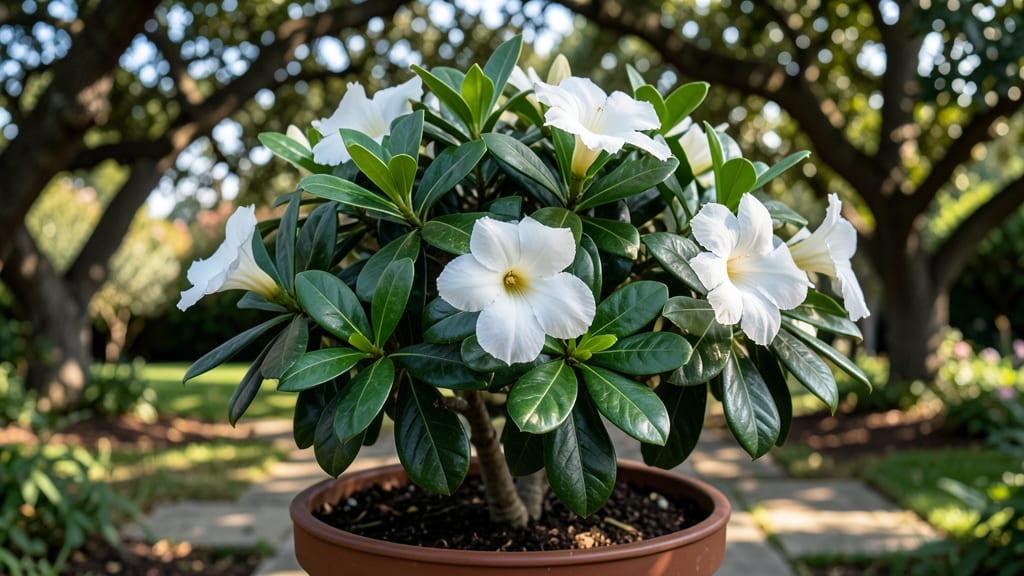
A full grown gardenia 🌸 thrives when you know the exact care it needs to keep its blooms fragrant and its leaves glossy year-round.
There’s nothing like the intoxicating fragrance of a full grown gardenia—until it fades because of poor care. This guide unlocks the secrets to pruning, feeding, and maintaining your gardenia so it blooms lushly all year, even in tough climates.
Most gardeners struggle with yellowing leaves or sparse blooms because they overlook the three key factors: soil acidity, sunlight balance, and pruning timing. Get these right, and your gardenia will reward you with heavy, fragrant blooms from spring to fall.
Inside, you’ll discover how to prune for maximum fragrance, adjust watering for seasonal changes, and troubleshoot common pests without losing a single bloom. Let’s get your gardenia thriving again.
How to prune a full grown gardenia for maximum blooms
A full grown gardenia thrives when you prune it correctly—this isn’t just about shaping your shrub, but reviving growth and boosting fragrance. Many gardeners make the mistake of pruning at the wrong time or using dull tools, which stresses the plant and reduces blooms.
The key is timing, technique, and tool sharpness to encourage lush, fragrant flowers year-round.
Pruning encourages your gardenia to produce more blooms by focusing its energy on new growth rather than maintaining old, woody stems. When done right, you’ll see thicker foliage, longer branches, and more flowers—all while keeping your plant healthy and pest-free.
The best time to prune is right after flowering, typically in late spring or early summer, but there are seasonal adjustments for different climates.
- Step 1: Gather tools – Use sterilized pruners, sharp bypass shears, and disinfectant (rubbing alcohol). Avoid dull tools that tear stems.
- Step 2: Remove deadwood – Cut out brown, brittle branches and diseased stems at the base. Never leave stubs—prune just above a leaf node.
- Step 3: Thin crowded branches – Look for crossing stems or branches growing inward. Remove 1/3 of the oldest growth to encourage new shoots.
- Step 4: Shape the shrub – Trim outer growth to maintain a rounded shape. Avoid cutting into the center—this blocks airflow and invites pests.
- Step 5: Clean up – Dispose of clippings away from the garden to prevent disease spread. Sterilize tools with rubbing alcohol between cuts.
- Step 6: Fertilize lightly – After pruning, apply acidic fertilizer (like 10-10-10) to support new growth. Water deeply to help roots recover.
Most gardeners skip the disinfecting step, but this is critical for preventing bacterial infections like leaf spot, which can ruin your gardenia’s blooms. I always wipe my pruners with 70% isopropyl alcohol between cuts—it takes 30 seconds and saves hours of cleanup later.
If you’re pruning in hot climates, do it in the early morning to reduce stress on the plant.
Timing your prune is just as important as the technique. Prune your gardenia right after the last bloom drops, usually in late spring (May-June in most USDA zones). This gives the plant time to harden off before winter.
In warmer climates (zones 9-11), you can prune lightly in early fall to encourage winter blooms, but avoid heavy pruning then.
One common mistake is over-pruning, which can leave your gardenia looking bare and stressed. Never remove more than 1/3 of the plant’s growth in a single session. I’ve seen gardeners cut back half the branches and end up with a sparse, weak shrub that takes years to recover.
If your gardenia is overgrown, spread pruning over 2-3 sessions with 6 weeks between each.
After pruning, your gardenia will need extra care to bounce back. Water deeply for the first 2 weeks to help roots recover, and avoid fertilizing until new growth appears. I like to mulch around the base with pine bark to retain moisture and mimic its natural acidic soil preferences.
This step alone can double your bloom count the following season.
If your gardenia isn’t blooming well after pruning, check for nutrient deficiencies. Yellow leaves often mean low iron—apply an acid-loving plant fertilizer like Miracle-Gro Azalea to revive growth.
For extra fragrance, prune just before dawn when essential oils are at their peak, and avoid pruning during humid afternoons to prevent fungal issues.
For container gardenias, pruning is even more critical since roots are confined. Trim root-bound roots if you notice roots circling the pot—this stimulates new growth and prevents root rot. Always use a well-draining pot with drainage holes, and repot every 2-3 years to refresh the soil.
A full grown gardenia in a pot needs more frequent pruning than in-ground plants.
Remember, pruning isn’t just about cutting—it’s about encouraging health and maximizing fragrance. With the right technique, your gardenia will reward you with glossy leaves, abundant blooms, and that unmistakable sweet scent that makes gardening worth it. 🌸
Full grown gardenia care: light, water, and soil secrets
A full grown gardenia thrives when you mimic its tropical roots—balancing bright indirect light, consistent moisture, and acidic soil. Too much sun or drought stress triggers yellowing leaves, while overwatering or alkaline soil stunts blooms. Let’s fix these issues with precise care tailored to your mature plant’s needs.
Your gardenia’s light requirements are critical: 4-6 hours of morning sun followed by afternoon shade. In hot climates, dappled shade all day works best. If leaves yellow or scorch, it’s getting too much direct sun—move it closer to a north-facing window or add sheer curtains.
| Care Factor | Requirement | Specification |
|---|---|---|
| Light | Daily Exposure | 4-6 hours morning sun, afternoon shade |
| Water | Frequency | Every 2-3 days (deep soak) |
| Soil | pH Level | 5.0-6.0 (acidic) |
| Fertilizer | Type | Balanced 10-10-10 with iron |
| Troubleshoot | Yellow Leaves | Check soil pH or overwatering |
Watering your mature gardenia requires consistency: aim for 1 inch of water weekly during growing months (spring-fall), but adjust for heat or humidity. Stick your finger 2 inches into soil—if dry, water deeply until it drains from the bottom.
Mulch with pine bark to retain moisture and acidify the soil naturally.
For soil mix secrets, blend equal parts peat moss, perlite, and garden soil. Gardenias hate alkaline conditions—test your soil’s pH and amend with sulfur if needed. A well-draining mix prevents root rot while keeping moisture levels ideal for tropical roots.
Sparse blooms? Your gardenia might need more phosphorus (the middle number in NPK). Switch to a bloom-boosting fertilizer like 7-9-5 in early spring, then every 6-8 weeks. Avoid high-nitrogen feeds—these promote leaves over flowers. Pair this with regular pruning after blooms to encourage new growth.
Yellowing leaves? First, check for iron deficiency (common in alkaline soil). Add chelated iron or use Epsom salt (1 tbsp/gallon) monthly. If leaves also feel mushy, you’re overwatering—let the top 2 inches dry between waterings and improve drainage with sand or gravel.