
Vegetables
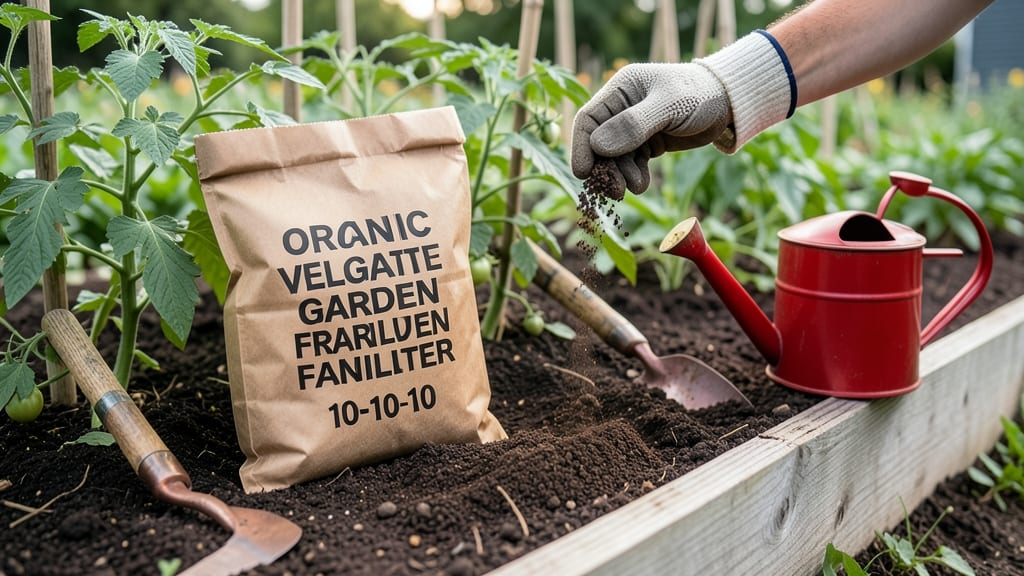
Whether you need fertilizer for a vegetable garden depends entirely on your soil's current nutrient levels. Healthy garden soil naturally contains all the essential nutrients most vegetables need, so adding fertilizer isn't always necessary. Instead of guessing, test your soil first—this will reveal exactly what's missing and prevent over-fertilizing.
Soil testing is the gold standard for gardeners because it identifies specific deficiencies like nitrogen (critical for leafy greens) or phosphorus (important for root development). 🌱 Many home gardeners discover their soil already has enough nutrients when they test—especially if they've been adding compost regularly.
For example, tomatoes and peppers often thrive without extra fertilizer if the soil is rich in organic matter, while lettuce and spinach may benefit from a light nitrogen boost during active growth phases.
Even when fertilizer isn't needed, organic amendments like compost or well-aged manure can improve soil structure and microbial activity. These natural options work slowly over time, creating a more sustainable growing environment than synthetic fertilizers.
I've seen firsthand how a single application of compost can transform poor soil into a nutrient-rich foundation that supports vegetables for years.
💡 In This Article
- How Soil Health Determines Fertilizer Needs
- Natural Fertilizer Alternatives for Vegetable Gardens
How soil health determines fertilizer needs
Soil fertility depends on three primary nutrients—nitrogen (N), phosphorus (P), and potassium (K)—which work together like a balanced trio. Nitrogen fuels leafy growth, phosphorus supports root development and flowering, while potassium regulates water uptake and disease resistance.
Healthy garden soil typically contains these nutrients in sufficient quantities, especially if you've been adding organic matter like compost or leaf litter. For example, a well-maintained backyard garden soil might naturally contain 0.1-0.2% nitrogen, which is enough for moderate vegetable growth.
The key factor is how quickly your plants deplete these nutrients. Heavy feeders like tomatoes, corn, and squash can exhaust soil nutrients faster than lighter crops such as beans or carrots. During active growth phases (spring to early summer), vegetables demand 20-30% more nitrogen than during dormancy.
Soil testing reveals these imbalances—without it, you might over-fertilize, leading to leaf burn or nutrient runoff that pollutes waterways. I've seen gardens where excess nitrogen caused rapid but weak growth, making plants vulnerable to pests and disease.
Organic matter plays a crucial role in soil fertility by slowly releasing nutrients as microbes break it down. Compost, for instance, contains 1-2% nitrogen and improves soil structure, allowing roots to access water and air more easily.
The microbial activity in healthy soil also converts organic material into plant-available nutrients through processes like mineralization. This natural cycle means your soil might already be fertile enough—many home gardeners discover this when they test and find their soil pH is balanced (6.0-7.0) and nutrient levels are adequate.
Seasonal growth demands also influence fertilizer needs. Spring planting often requires a nitrogen boost to support early leaf growth, while summer flowering crops (like tomatoes) benefit from phosphorus. Fall planting, however, usually needs less fertilizer since cooler temperatures slow nutrient uptake.
Understanding these cycles helps you apply fertilizers precisely when needed, rather than as a blanket treatment. For example, a 5-10-10 fertilizer (nitrogen-phosphorus-potassium ratio) is ideal for leafy greens in spring, while a 0-10-10 supports root development in fall.
Soil testing isn't just about identifying deficiencies—it also reveals excesses. I once tested a garden soil that had too much phosphorus from years of bone meal applications, which stunted plant growth despite the owner's efforts to add more fertilizer.
The solution was to amend the soil with compost to balance the nutrients naturally. This shows how critical it is to start with accurate data before making any additions.
Another critical aspect is soil pH, which affects nutrient availability. Most vegetables thrive in slightly acidic to neutral soil (6.0-7.0), but some, like blueberries, prefer 4.5-5.5.
If your soil pH is off, nutrients like phosphorus and iron become locked away, making them unavailable to plants—even if they're present in the soil. This is why a soil test should always include pH measurement.
Adjusting pH with lime (to raise) or sulfur (to lower) can make existing nutrients more accessible without adding extra fertilizer.
In summary, soil health is a dynamic balance of nutrients, organic matter, and microbial activity. Testing your soil provides a snapshot of this balance, helping you decide whether your vegetables need fertilizer—or if they're already thriving in a naturally fertile environment. 🌱