
Planting
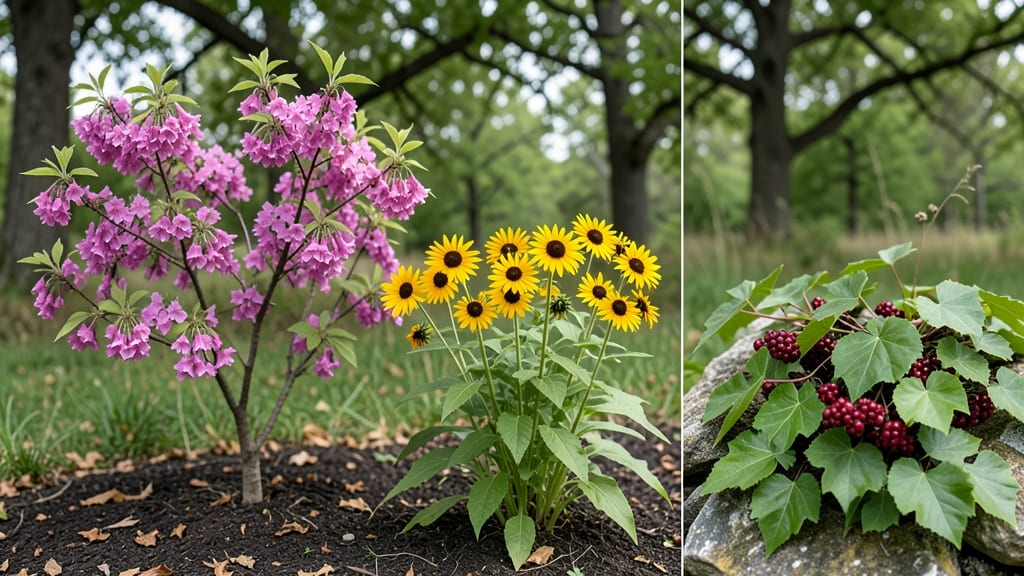
Understanding Ohio's gardening zones is essential because they range from 5 to 7, with frost-free dates varying by region—typically late April to mid-May for last spring frosts and mid-October to early November for first fall frosts. Use USDA Zone 5b (northern Ohio) to 6b (southern Ohio) as a guide for planting warm-season crops like tomatoes after Memorial Day and cool-season crops like spinach in early spring or fall.
Ohio's gardening zones reflect the state's diverse climate, where northern areas like Cleveland (Zone 5b) experience later planting windows compared to southern regions like Cincinnati (Zone 6b). 🌱 The USDA zone classification helps determine which plants thrive in your specific microclimate, accounting for factors like elevation and urban heat islands that can shift frost dates by up to two weeks.
For example, high-altitude areas in Appalachian Ohio may need adjustments for cooler temperatures, while city gardens often see earlier spring warming due to concrete and asphalt retaining heat.
This zonal system isn't just about frost dates—it's a framework for matching plants to your local growing conditions. Zone 5b gardeners should wait until after Memorial Day for warm-season crops, while Zone 6b areas can plant tomatoes a week earlier.
The key is monitoring your local weather patterns, as climate change has been extending Ohio's growing season by about 1-2 weeks per decade in many regions.
💡 In This Article
- Ohio’s USDA Plant Hardiness Zones Explained
- 2024 Ohio Planting Calendar by Zone
Ohio’s USDA plant hardiness zones explained
The USDA Plant Hardiness Zone Map divides Ohio into zones 5-7 based on average annual minimum temperatures, which directly influence which plants survive winter.
Ohio spans primarily from Zone 5b in the north (where average winter lows hit -15°F to -10°F) to Zone 6b in the south (with lows between 0°F and 5°F).
This gradient explains why northern Ohio's frost dates are typically 2-3 weeks later than southern regions—a critical factor for timing plantings.
What makes Ohio's zones unique is the interplay between large-scale climate patterns and local microclimates. For instance, the Great Lakes effect creates cooler conditions near Lake Erie, delaying spring warmth by 7-10 days compared to inland areas.
Meanwhile, urban heat islands in cities like Columbus can push frost-free dates 1-2 weeks earlier than surrounding rural zones. These variations mean a gardener in Zone 5b Akron might need to adjust planting times differently than one in Zone 6a Dayton, even though they're only 100 miles apart.
The science behind these zones involves measuring the 30-year average of coldest winter temperatures (1991-2020 data). This baseline helps determine which perennials will survive winter dormancy.
For example, Zone 5b can reliably grow peony roots (hardy to -20°F) but may struggle with Zone 6b plants like gardenias (hardy to 10°F) during harsh winters.
The map also accounts for elevation changes—every 1,000 feet up in Appalachian Ohio adds about 3.5°F of coldness, potentially shifting you into a colder zone.
Historical frost data reveals Ohio's growing season has been expanding. The last spring frost in Columbus now occurs 1-2 weeks earlier than in 1980, while the first fall frost comes 10-14 days later.
This shift means gardeners can now attempt Zone 7 plants like camellias in southern Ohio with some winter protection. However, these trends aren't linear—2023 brought record cold snaps in April that wiped out early plantings across Zone 6b, proving why local weather monitoring remains essential.
For practical application, these zones help select cold-hardy varieties. A Zone 5b gardener should choose 'Kenmore' white beans (mature in 50 days) over 'Cherokee Purple' tomatoes (needing 85 days), while Zone 6b can safely plant butterfly bush perennials that die back but regrow each spring.
The zone system also explains why blueberries thrive in northern Ohio (acidic soil preference) while rosemary needs southern exposure in Zone 6a to survive winters.