
Planting
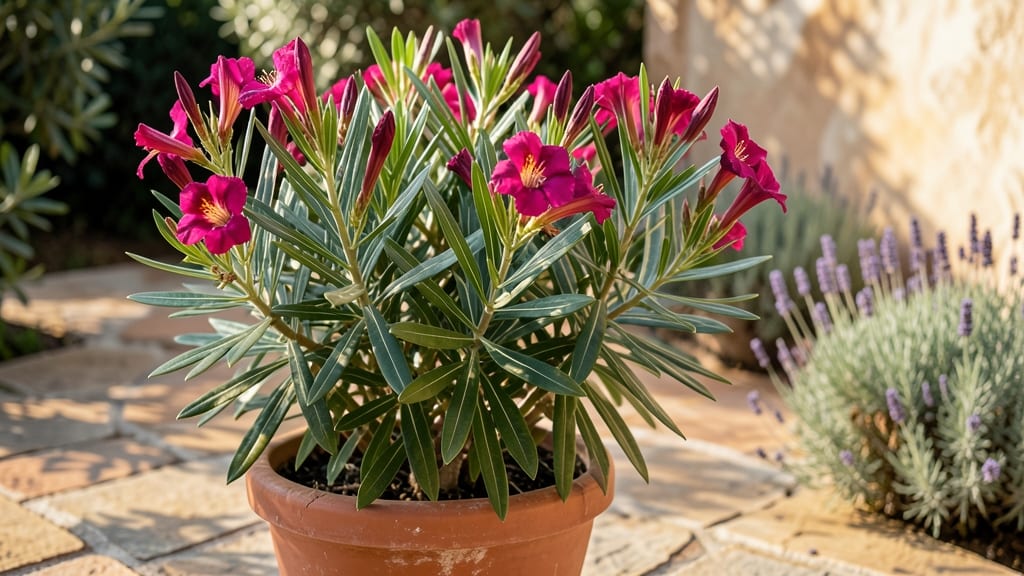
Gardening zone 8 plants thrive in areas where winter lows typically range between 10°F to 20°F (-12°C to -7°C), making them ideal for cold-hardy annuals, perennials, and shrubs like lavender, rosemary, and blueberry bushes that deliver consistent growth year-round.
Zone 8's mild winters and warm summers create a unique growing environment that supports both tender and hardy plants. 🌿 The key to success here is selecting varieties that can handle occasional light frosts while still thriving in the heat—think okra, bougainvillea, or fig trees that flourish in Southern California's coastal climates.
Unlike colder zones, you can often extend your growing season by choosing plants adapted to these specific temperature swings, which is why many gardeners in Texas and Florida rely on this zone's reliable conditions.
What sets zone 8 apart is its ability to support a mix of Mediterranean and subtropical plants that would struggle in harsher climates. The 10°F to 20°F range means you can grow lavender that survives winters while still enjoying tropical-looking bougainvillea year-round.
The trick is matching plant hardiness ratings to your specific microclimate—coastal areas may see milder winters than inland regions, so local adjustments matter.
For best results, focus on plants with USDA Zone 8 hardiness labels and consider soil amendments to improve drainage in heavy clay areas common to this zone. The right plant choices mean less maintenance and more reliable harvests—whether you're growing vegetables, herbs, or ornamental shrubs.
💡 In This Article
- Understanding USDA Zone 8 Climate Conditions
- Top Zone 8 Vegetables, Flowers, and Shrubs for Year-Round Growth
Understanding USDA zone 8 climate conditions
The 10°F to 20°F (-12°C to -7°C) winter minimum defines zone 8, creating a delicate balance where plants must endure light frosts while thriving in summers that often exceed 90°F (32°C). This range allows Mediterranean species like rosemary to survive winters while still supporting subtropical favorites such as bougainvillea.
The key mechanism here is how plants adapt to these temperature swings—cold-hardy varieties develop protective mechanisms like antifreeze proteins that prevent cell damage during brief cold snaps.
Seasonal variations in zone 8 are dramatic: coastal areas like Southern California experience milder winters due to ocean moderation, while inland regions (e.g., Texas Hill Country) face harsher cold snaps.
Humidity also plays a role—coastal zones have higher moisture levels that benefit tender plants, while inland areas may require extra irrigation.
Soil composition matters too: the heavy clay common in many zone 8 regions needs amendment with compost to prevent waterlogging, which can stress plants during both wet winters and dry summers.
What most gardeners don't realize is how frost-free periods influence planting timing. In zone 8, you can often extend growing seasons by choosing cold-tolerant varieties that sprout early in spring or continue producing into fall.
For example, okra thrives in the heat but can handle brief cold snaps if planted after the last frost date—typically around March 15 in most zone 8 regions. This extended growing window is why zone 8 supports such diverse plant life.
Temperature fluctuations also affect plant physiology. Many zone 8 shrubs like lavender enter dormancy during winter but resume growth quickly once temperatures rise above 50°F (10°C).
This rapid response is due to their ability to store energy in roots during cold periods—a survival strategy that makes them ideal for this transitional climate zone. The science behind this involves hormonal changes that trigger bud break when day lengths increase in spring.
Regional microclimates create additional nuances. For instance, Florida's zone 8 areas experience high humidity year-round, while Arizona's zone 8 deserts have dry heat. These differences mean plant selection should consider both temperature ranges and moisture levels.
A bougainvillea might thrive in Florida's coastal zone but struggle in Arizona's arid conditions without supplemental watering. Understanding these local variations is crucial for successful gardening.
Soil temperature also impacts root development. In zone 8, soil temperatures typically remain above 50°F (10°C) for most of the year, allowing plants to establish roots early in spring.
This warm soil condition is why many zone 8 gardeners can plant warm-season crops like tomatoes as early as February in coastal areas, while inland regions might wait until April when soil temperatures stabilize.