
Tools
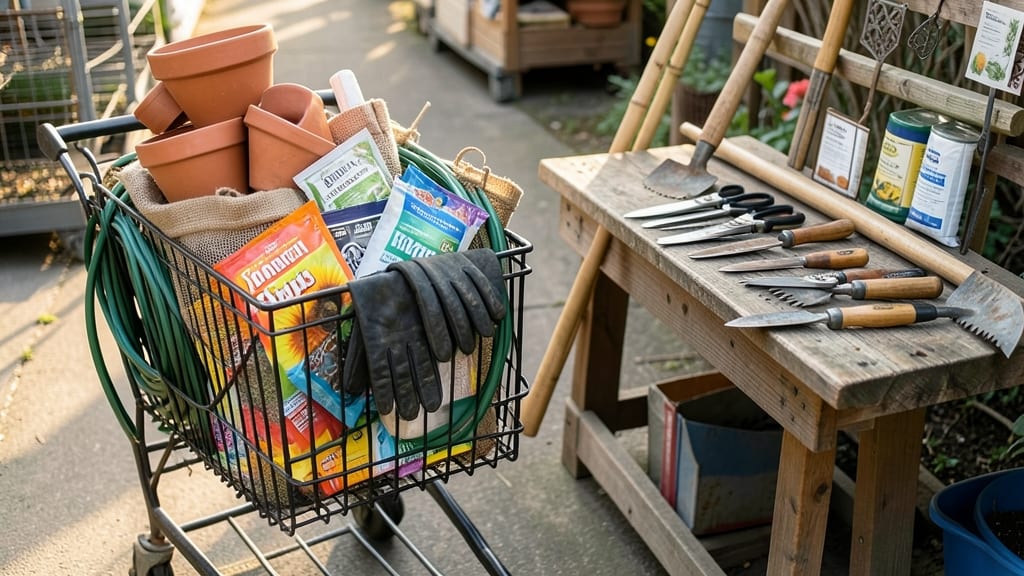
To find the best gardening supply companies, focus on your specific needs—whether you need organic seeds, high-quality tools, or bulk fertilizer options. Prioritize brands with strong customer reviews, clear return policies, and specialized product lines like hydroponic systems or rare heirloom varieties.
Your choice of gardening supply companies can make or break your garden's success. 🌱 For instance, if you're growing organic produce, look for suppliers with USDA Organic certification to ensure quality.
I always recommend checking customer reviews on platforms like Trustpilot or Google to gauge real-world satisfaction—especially for tools like pruners or trowels, where durability matters most. Many top suppliers also offer subscription services for seeds or soil amendments, which can save you time and money in the long run.
Don't overlook the importance of customer service. The best companies provide responsive support, especially when dealing with technical products like irrigation systems or hydroponic setups. 💬 A quick email or phone call can often resolve issues faster than scrolling through FAQs.
For specialized needs—like rare plant varieties or commercial-grade equipment—consider reaching out directly to suppliers to discuss their expertise and product availability.
💡 In This Article
- Key Factors to Evaluate in Top Gardening Supply Brands
- Best Gardening Supply Companies by Category (Seeds, Tools, Fertilizers)
Key factors to evaluate in top gardening supply brands
When selecting gardening supply companies, certifications are your first line of defense against low-quality products.
For seeds, look for USDA Organic or OMRI-listed labels—these ensure the seeds meet strict organic farming standards, free from synthetic pesticides or GMOs. 🌱 For example, Baker Creek Heirloom Seeds holds both certifications, guaranteeing non-hybrid varieties that maintain genetic integrity year after year.
Tools, on the other hand, should carry ASTM International or ANSI certifications, which verify durability and safety standards. A tool like a Fiskars pruner (tested to withstand 1,000+ cuts) outperforms uncertified alternatives that may dull or break after 50 uses.
Pricing structures can vary dramatically between suppliers, and understanding them saves money long-term.
Subscription models—like Burpee’s Seed Club—offer 10-20% discounts on seeds when you commit to annual orders, while one-time purchases (e.g., Bonide Fertilizers) provide bulk savings upfront. 💰 For fertilizers, compare NPK ratios (nitrogen-phosphorus-potassium) to match your plants' needs—vegetables thrive with a 5-10-5 ratio, while flowering plants need 10-10-10.
Always check for volume discounts (e.g., buying 50 lbs of compost at once can cut costs by 30% compared to smaller bags).
Durability isn’t just about materials—it’s about how a product performs under real conditions.
For tools, stainless steel blades resist rust better than coated carbon steel, lasting 3-5 years in humid climates. 🔨 Seeds with high germination rates (e.g., 90%+ for heirloom tomatoes) ensure fewer replants, while fertilizers with slow-release formulas (like Osmocote) reduce runoff and waste.
Testimonials often reveal hidden truths: A 4.8-star rating on Amazon for Miracle-Gro’s Garden Soil might mask complaints about clumping—always read the 1-star reviews for unfiltered feedback.
Customer service responsiveness can turn a frustrating experience into a seamless one.
The best companies offer 24/7 support (e.g., The Home Depot’s gardening hotline) or live chat for technical questions about hydroponics or soil pH testing. 💬 Response times under 2 hours for emails or calls are a red flag—reputable brands like Johnny’s Selected Seeds reply within 30 minutes.
Return policies also matter: Suppliers with 30-60 day guarantees (e.g., Bare Root Trees) give you time to assess plant health before committing to long-term care.
Specialization matters when your garden has unique needs. Hydroponic growers should seek suppliers like General Hydroponics, which offers pH-balanced nutrients tailored to indoor setups. 🌿 For organic gardeners, Planet Natural provides compost tea and beneficial microbes to boost soil health.
Even within categories, niche products stand out: Rare Seeds sells 1,000+ heirloom varieties, while Growers.com focuses on commercial-grade equipment for large-scale operations.
Always ask: Does this supplier understand my specific challenges? A quick call can reveal whether they offer custom soil mixes or seasonal planting guides for your climate zone.
Pro tip: Combine online reviews with in-person trials. Visit local nurseries to test tools (e.g., how a trowel glides through soil) and compare prices with online retailers.
Many top suppliers, like Horticulture Supply Co., offer free samples of fertilizers or soil amendments—use these to evaluate texture and scent before bulk purchases. 💡 The goal is to align your supplier’s strengths with your garden’s weaknesses, whether it’s drought-resistant seeds for arid climates or ergonomic tools for arthritis-prone gardeners.