
Tools
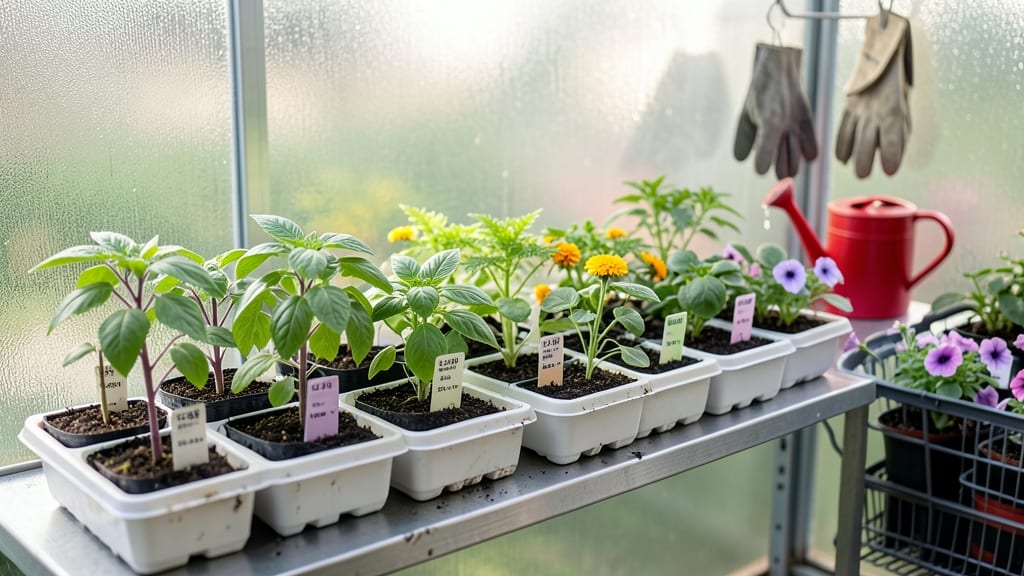
A garden nursery is a business specializing in growing and selling young plants, seeds, bulbs, and gardening supplies for home landscapes, farms, or commercial projects. They provide healthy starter plants and expert advice for successful cultivation.
A garden nursery acts as a hub for plant enthusiasts and professionals alike, offering everything from seedlings to mature shrubs. 🌱 These businesses often cater to specific needs—whether you're a home gardener looking for annual flowers or a farmer needing hardy crops.
What sets them apart is their ability to provide not just plants, but also tailored guidance on soil prep, planting schedules, and maintenance tips. I've found that visiting a local nursery can also connect you with regional experts who understand your climate's unique challenges.
Beyond plants, many nurseries stock gardening tools, fertilizers, and decorative elements like garden art or trellises. This one-stop-shop approach makes them invaluable for both beginners and seasoned gardeners. 🌿 The best nurseries maintain rigorous quality standards, ensuring their plants are disease-free and well-acclimated to thrive in your garden.
Whether you're restoring a backyard oasis or launching a commercial greenhouse, a well-chosen nursery becomes your partner in growth.
💡 In This Article
- Types of Garden Nurseries and Their Specialties
- How to Select the Best Garden Nursery for Your Needs
Types of garden nurseries and their specialties
Garden nurseries come in distinct forms, each tailored to specific gardening needs and scales of operation. Retail nurseries, the most common type, are designed for home gardeners and DIY landscapers.
These stores offer a curated selection of annuals, perennials, shrubs, and small trees, often arranged by color, size, or sun exposure requirements.
For example, a well-stocked retail nursery might feature 200+ varieties of flowers during peak season, including rare hybrids like the 'Black Baccara' rose, which sells for $45-$60 per plant due to its velvety dark petals.
The wholesale nursery model serves commercial clients like landscapers, farmers, and large-scale developers. These operations focus on bulk quantities—think pallets of 500+ shrubs or 10,000+ seedling packets
Wholesale nurseries prioritize hardy, fast-growing species like boxwood hedges or crepe myrtles, which are commonly used in commercial projects. The price per unit drops dramatically; a single boxwood shrub might cost $5 wholesale versus $25 retail, making them ideal for large-scale projects. Specialty nurseries cater to niche markets, offering plants that general stores can't always provide. Succulent and cactus nurseries, for instance, maintain controlled environments with 50-70% humidity levels to prevent rot in delicate species like Echeveria 'Lola'. These nurseries often source rare varieties from international suppliers, with some plants costing $100-$300 each due to their scarcity. 🌵 Another example is fruit tree nurseries, which graft specific varieties onto rootstock to ensure disease resistance—a process that takes 6-12 months and requires expert knowledge. Mail-order and online nurseries have revolutionized access to plants, especially in regions with limited local options. Companies like Baker Creek Heirloom Seeds or White Flower Farm ship thousands of seed varieties annually, including heirloom tomatoes like 'Brandywine', which produce 1-2 lb fruits per plant. These nurseries often include detailed growing guides and climate zone maps to help customers succeed. The convenience comes at a cost—shipping fees can add $20-$50 to orders, and some plants arrive in biodegradable pots to reduce transplant shock. Regional climate plays a crucial role in nursery specialization. Coastal nurseries, for example, stock salt-tolerant grasses and shrubs like 'Sea Oats', while desert nurseries focus on drought-resistant agave and yucca species. The right nursery for you depends on whether you prioritize variety, convenience, or expert advice. For instance, a local retail nursery might offer immediate access to plants and soil amendments, while a specialty online nursery could provide rare varieties not available locally. One often-overlooked type is the community or educational nursery, typically run by nonprofits or universities. These nurseries focus on teaching sustainable gardening practices, often selling plants at cost or offering workshops on composting or pest control. They’re ideal for beginners who want hands-on learning while building their garden. The trade-off? Selection may be limited compared to commercial operations, but the expertise and community support are invaluable. 🌱