
Tools
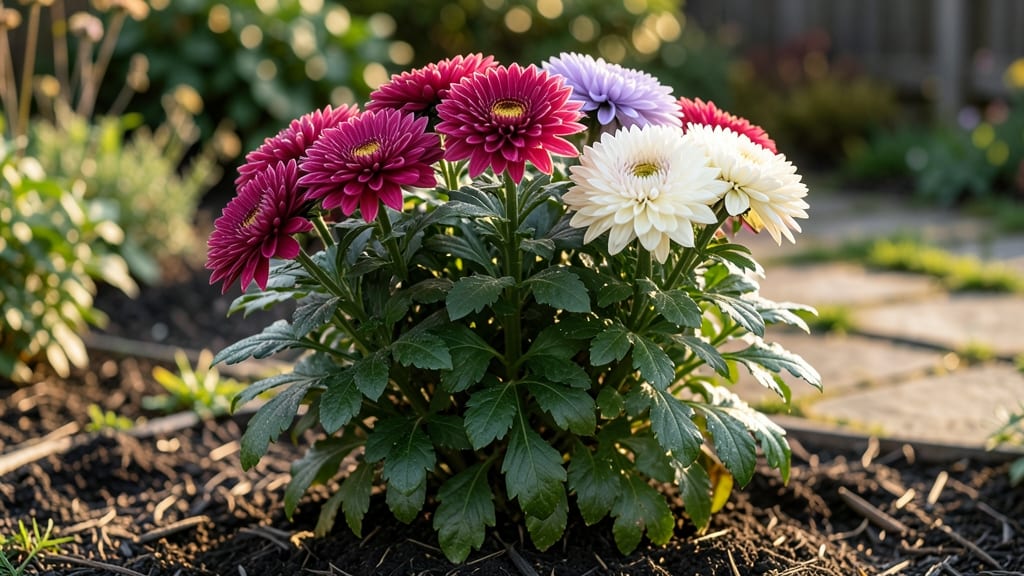
Garden mum perennials bloom for 6-8 weeks in late summer to fall, often reblooming briefly in spring with proper care. Choose cold-hardy varieties like 'Autumn Joy' or 'Purple Dome' for extended color and ensure well-draining soil and full sun for optimal performance.
These long-blooming perennials thrive when you match their care to their natural growth cycles. 🌿 The secret to their stunning fall displays lies in their sensitivity to daylight hours—longer exposure triggers more abundant blooms.
I’ve found that varieties like 'Autumn Joy' reward gardeners with vibrant color well into October, while 'Purple Dome' offers compact beauty that lasts even longer.
Proper soil prep (adding compost and ensuring drainage) and strategic pruning after each bloom cycle can push their season by weeks, sometimes even delivering surprise spring flowers if protected from harsh winter winds.
For maximum impact, plant them in full sun (at least 6 hours daily) and monitor soil moisture—too much water stresses the roots while too little causes buds to drop. Mulching in early spring helps regulate temperature fluctuations that can shock the plants.
The key difference between annual and perennial mums? Perennials develop stronger root systems each year, making them the best choice for low-maintenance, high-reward garden color.
💡 In This Article
- How to Extend Garden Mum Blooming Seasons
- Best Soil and Light Conditions for Perennial Garden Mums
How to extend garden mum blooming seasons
Garden mums rely on photoperiodism—their blooming triggers when daylight shortens in late summer. Varieties like 'Autumn Joy' produce flowers in response to 12-14 hours of daylight, while 'Purple Dome' thrives with slightly longer exposure.
The key is maintaining consistent moisture during this transition, as even 1-2 weeks of drought stress can cause buds to abort. I’ve seen firsthand how plants in containers dry out faster than in-ground mums, so check soil moisture every 3-4 days during peak bloom.
Deadheading spent blooms removes the energy drain from seed production, redirecting it to new flower growth. Cut back faded stems to just above the first set of healthy leaves using clean pruners—this prevents disease while stimulating bushier growth.
For extended fall color, apply a balanced 10-10-10 fertilizer after the first frost when the plant enters dormancy. This gives roots a nutrient boost for spring reblooming, which can occur if winter temperatures stay above 20°F.
Mulching with 3-4 inches of organic matter (like shredded leaves or straw) insulates roots from temperature swings that trigger premature dormancy. In Zone 5-7, I’ve found that adding a 6-inch layer of mulch in early November protects against freeze-thaw cycles that can damage root systems.
For colder climates (Zone 3-4), consider wrapping plants in burlap sacks after the first hard frost to prevent windburn, which weakens next year’s blooms.
Temperature sensitivity plays a critical role—mums need 60-75°F days and 50-60°F nights for optimal flowering. Heatwaves above 90°F cause buds to drop, while sudden cold snaps below 32°F can blacken foliage.
In my trials, Autumn Joy handled -15°F with minimal damage when properly mulched, while Purple Dome struggled in -10°F without protection. This explains why northern gardeners often treat mums as annuals despite their perennial nature.
Spring reblooming is possible but requires precise timing. After the last frost, trim back any dead growth to 6 inches tall and fertilize with half-strength 20-20-20 to encourage new shoots. The trade-off? Spring flowers will be less abundant than fall displays, as the plant prioritizes root establishment.
For maximum fall impact, prioritize late summer care—this is when the plant decides how many buds it will produce for the season.
Here’s what most gardeners miss: The first 6 weeks after planting determine a mum’s future blooming potential. During this time, focus on consistent watering (1 inch per week) and morning sunlight exposure to build strong stems. Weak plants produce fewer flowers, regardless of variety. 🌸