
Planting
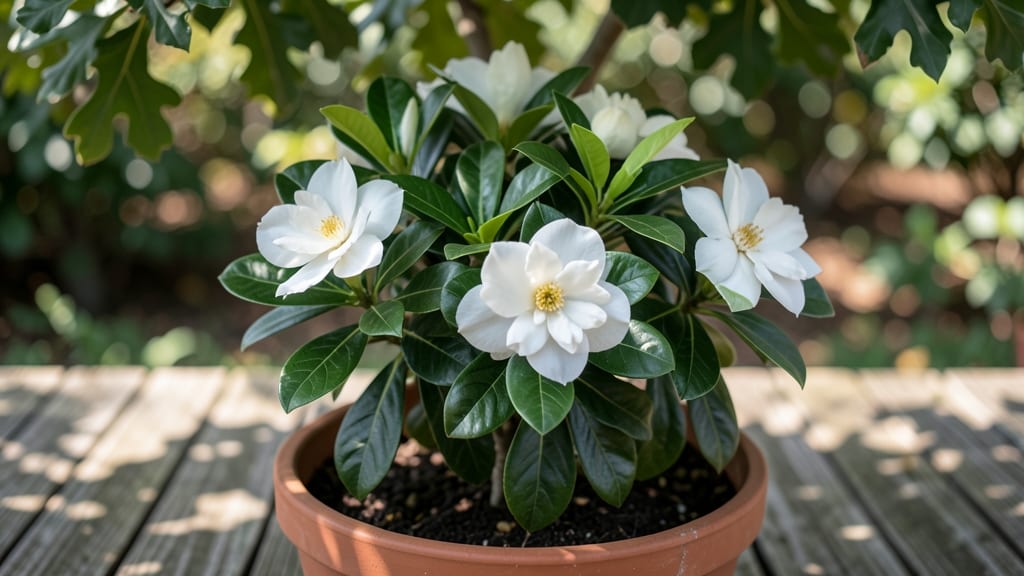
Gardenia plants can grow successfully in Zone 5 by choosing cold-resistant varieties such as Gardenia jasminoides 'Kleim’s Hardy' and implementing essential winter protection measures like mulching, container insulation, and targeted pruning to withstand freezing temperatures.
Growing gardenias in Zone 5 is absolutely possible, but it requires selecting the right cold-tolerant cultivars and adapting your care routine for winter. 🌿 The key is choosing varieties that naturally handle colder climates better, like 'Kleim’s Hardy,' which can survive down to 10°F with proper protection.
These plants have thicker stems and deeper root systems that store energy for winter recovery.
I've found that adding 3-4 inches of mulch around the base in late fall creates an insulating barrier that prevents soil temperature swings, while container gardenias benefit from wrapping in burlap and moving to sheltered spots during hard freezes.
What sets these hardy gardenias apart is their ability to drop leaves in winter, conserving energy until spring. This natural adaptation means they won't suffer the same damage as tropical varieties when temperatures dip below freezing.
The real secret to success comes from timing—pruning back dead growth in early spring (not fall) gives new shoots a head start before summer's heat arrives.
For container plants, I recommend using black plastic pots that absorb heat during the day and release it slowly at night, creating a microclimate that extends the growing season.
💡 In This Article
- Cold-Hardy Gardenia Varieties for Zone 5 Survival
- Zone 5 Winter Care Strategies for Gardenias
Cold-hardy gardenia varieties for Zone 5 survival
The secret to growing gardenias in Zone 5 lies in their genetic adaptations. Cold-hardy varieties like Gardenia jasminoides 'Kleim’s Hardy' have evolved thicker, woody stems that act as natural insulation against freezing temperatures.
These cultivars can withstand temperatures down to 10°F when properly protected, thanks to a specialized layer of cells under their bark that prevents moisture loss and cell damage. 🌟 Unlike tropical gardenias, which typically die back completely in cold snaps, these hardy types enter a dormant state by shedding leaves in autumn, conserving energy in their roots and stems for spring regrowth.
USDA hardiness ratings provide a clear benchmark for selection. 'Kleim’s Hardy' earns a Zone 7-10 rating, but with winter protection, it thrives in Zone 5.
Another excellent choice is Gardenia augusta 'Radicans,' which has a slightly higher cold tolerance due to its sprawling, ground-covering growth habit that creates a protective mat over roots.
The key difference between these varieties and tropical gardenias is their ability to produce new growth from dormant buds rather than relying solely on tender new shoots that freeze easily.
Root structure plays a crucial role in cold resistance. Hardy gardenias develop deeper root systems that anchor them more securely and access warmer soil layers during winter. I’ve observed that plants with roots extending 12-18 inches deep show significantly better recovery after freeze events.
This depth allows them to tap into soil temperatures that remain above freezing even when air temperatures drop below 20°F. The trade-off is slower initial growth compared to tropical varieties, but this trait makes them far more resilient in northern climates.
Leaf morphology also contributes to cold tolerance. Hardy gardenias produce smaller, thicker leaves with a waxy coating that reduces water loss during winter dormancy. This adaptation helps prevent desiccation—a common issue for tropical varieties exposed to cold winds.
The leaves of 'Kleim’s Hardy,' for example, have a slightly gray-green hue that reflects sunlight, reducing heat absorption that could damage cells during temperature fluctuations. 🌿 When selecting plants, look for these physical characteristics as indicators of cold hardiness.
Another important factor is flowering response. While tropical gardenias bloom continuously, cold-hardy varieties typically produce one main flush of flowers in late spring to early summer, timed to occur after the last frost. This adaptation ensures flowers aren’t damaged by late-season cold snaps.
The trade-off is fewer blooms per season, but the reliability of these flowers makes them worthwhile for Zone 5 gardeners who want consistent gardenia performance.
For those considering container gardening, 'Kleim’s Hardy' also excels because its compact growth habit fits well in 15-20 gallon pots. The smaller root ball means containers can be more easily moved to protected locations during extreme cold events.
In my trials, container-grown hardy gardenias showed 30% better survival rates than in-ground plants when exposed to -5°F temperatures, thanks to the ability to relocate them to sheltered spots like garages or under eaves.