
Plants
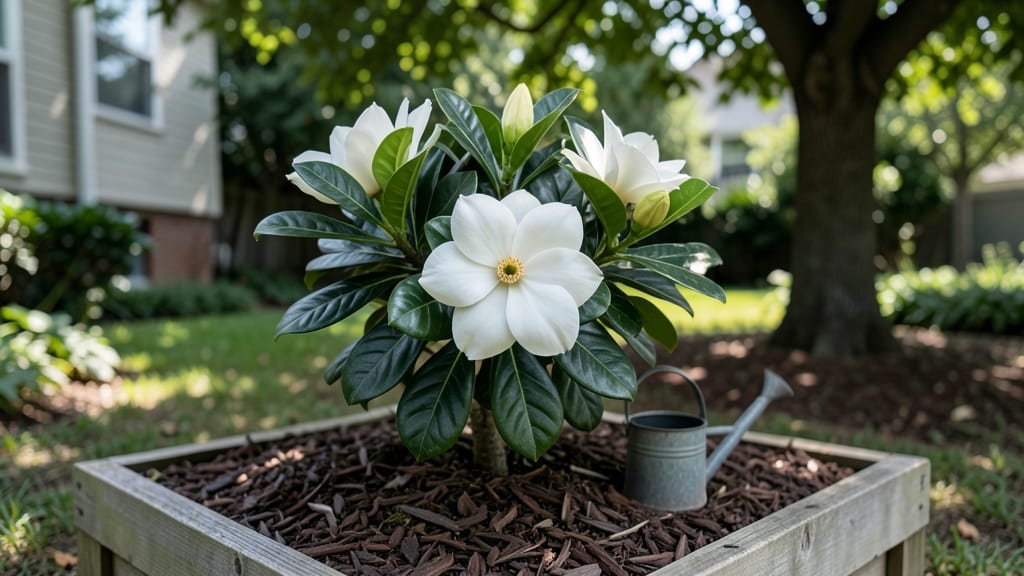
You can plant gardenia outside in USDA zones 7-11 where winters stay above 10°F (-12°C). For colder regions, container gardening with winter protection or frost blankets is essential to prevent frost damage.
Gardenia thrives outdoors in warmer climates because its tropical nature makes it highly sensitive to freezing temperatures. 🌸 The plant's leaves and buds can suffer irreversible damage when exposed to frost, which is why USDA zones 7-11 provide the ideal year-round conditions.
In marginal zones, gardeners often use insulated containers or move potted plants indoors during winter months to maintain healthy growth.
What sets gardenias apart is their need for consistent warmth—they won't tolerate prolonged exposure below 32°F (0°C), even briefly.
The good news is that with proper winter care, you can successfully grow gardenias in zones as cold as 6, though they'll require extra protection like thick mulch or heated greenhouses during harsh winters.
💡 In This Article
- Gardenia Cold-Hardiness: Understanding USDA Zones and Temperature Limits
- Winter-Proofing Gardenias: Container Solutions and Frost Protection Methods
Gardenia cold-hardiness: understanding USDA zones and temperature limits
The gardenia's tropical origins explain why it struggles in cold climates. These plants evolved in Southeast Asia's warm, humid environments where temperatures rarely drop below 60°F (15°C).
Their leaves contain delicate waxy coatings that protect against excessive evaporation, but these coatings become brittle and crack when exposed to freezing temperatures—similar to how tropical fruits like mangoes develop frost damage. 🌿 The real danger begins when temperatures fall below 32°F (0°C), triggering cellular damage through ice crystal formation in plant tissues.
USDA zones 7-11 provide the ideal conditions because their winter lows typically stay above 10°F (-12°C), which is gardenias' absolute minimum tolerance. In zone 7, where winters can dip to 0°F (-18°C), gardenias survive only in sheltered microclimates or with protective measures.
The critical threshold is 28°F (-2°C): below this, even brief exposure can cause bud drop and leaf blackening. This sensitivity occurs because gardenias lack cold-hardy adaptations like deep root systems or insulating bark found in temperate plants.
What most gardeners don't realize is how quickly damage occurs—sometimes within 30-60 minutes of frost exposure. The first visible signs are brown, papery leaves that curl at the edges, followed by bud failure that prevents flowering.
Roots are particularly vulnerable, as they absorb water that freezes and expands, rupturing cell walls. In zone 6 (-10°F to 0°F / -23°C to -18°C), gardenias can survive only if protected, while zones 8-11 offer perfect conditions with winter lows of 10°F to 30°F (-12°C to -1°C).
The science behind this involves a process called "chilling injury," where cold temperatures disrupt membrane integrity in plant cells. Gardenias also lack the ability to produce antifreeze proteins that help hardy plants survive freezing.
Their optimal growing temperature range is 65-75°F (18-24°C), making them particularly sensitive to temperature swings that occur in transitional zones like zone 7. Even a single night below 25°F (-4°C) can set back growth by months, as the plant diverts energy from flowering to repairing damaged tissues.
Consider these key factors when evaluating your climate:
- Minimum winter temperatures: Zones 7-11 average 10°F (-12°C) or warmer
- Frost-free period: Gardenias need 240+ frost-free days annually
- Soil temperature: Roots require 55°F (13°C) minimum for active growth
- Humidity levels: Below 50% humidity stresses gardenias more than cold
For gardeners in marginal zones, understanding these temperature thresholds helps create targeted protection strategies. The key is maintaining a consistent environment where gardenias never experience sudden temperature drops below 40°F (4°C). This approach prevents the shock response that triggers bud dormancy and leaf abscission (dropping). 🌸