
Size
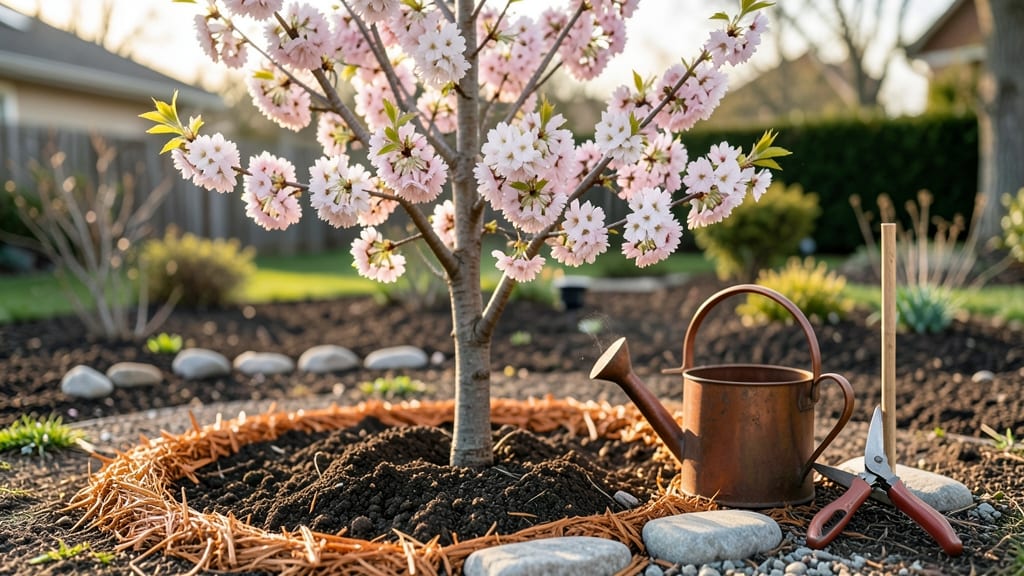
Growing sakura trees in gardens succeeds best with compact varieties like Kanzan or Pendula, planted in nutrient-rich, well-draining soil with full sunlight exposure. Prune annually to control growth, and prioritize consistent moisture while protecting roots in winter.
These delicate trees thrive in USDA Zones 4-8, where their vibrant blooms transform any outdoor space into a springtime masterpiece. 🌸 The key to their success lies in selecting the right cultivar—dwarf varieties stay under 15 feet tall, making them perfect for small yards, while weeping types add elegant vertical interest.
I’ve found that mulching in late fall preserves moisture and protects roots from harsh winters, which is especially important for younger trees still establishing themselves.
One common misconception is that sakura trees require constant attention, but their beauty actually comes from simplicity. A 6-hour daily sunlight exposure and regular pruning after blooming season keeps them healthy without overwhelming maintenance.
For container gardening, choose Kanzan—its compact growth and disease resistance make it an ideal choice for patios or balconies.
💡 In This Article
- Best Sakura Tree Varieties for Small Gardens
- Step-by-Step Sakura Tree Planting and Maintenance Guide
Best sakura tree varieties for small gardens
When selecting sakura trees for limited spaces, size and growth habits are critical factors. The Kanzan cultivar, for instance, typically matures between 15-25 feet tall but maintains a compact, rounded shape that fits perfectly in small yards.
Its vibrant pink blooms appear slightly later than other varieties—usually around mid-to-late spring—which extends the visual appeal when earlier-blooming trees have already shed their petals. 🌸 The Pendula variety offers a dramatic weeping form that cascades elegantly, reaching 10-15 feet in height but spreading 10-12 feet wide, making it ideal for vertical accents.
Rootstock plays a pivotal role in determining mature size. Many dwarf sakura trees are grafted onto semi-dwarf rootstock, which limits their height to about 60-70% of their natural growth potential. For example, a Sekiyama sakura—naturally reaching 25 feet—when grafted onto this rootstock will typically stay under 15 feet.
This technique allows gardeners to enjoy full-sized sakura blooms without the space requirements, making it a game-changer for urban or suburban gardens. The trade-off? Grafted trees may have slightly shorter lifespans (around 30-40 years) compared to their seed-grown counterparts.
Color variations also influence selection. The Kanzan features deep pink blossoms that fade to a soft blush, while Pendula offers a lighter, almost white-pink hue that creates a stunning contrast against dark foliage.
For those with limited space but wanting maximum impact, the Sekiyama provides a bright pink bloom with a slightly smaller footprint than traditional varieties.
These differences aren't just aesthetic—they also affect how the tree interacts with sunlight and pollinators, with darker petals absorbing more heat and attracting bees more efficiently. 🐝
Consider bloom density and fragrance too. Kanzan is renowned for its abundant, double-layered flowers that create a lush canopy, while Pendula offers a more delicate, airy display. Fragrance varies widely—some varieties like Kanzan produce a subtle, sweet scent, whereas others remain nearly odorless.
This matters if you're planting near seating areas or patios, where fragrance can enhance the sensory experience. For container gardening, prioritize disease-resistant types like Kanzan, as they handle urban pollution and confined root spaces better than more delicate varieties.
Seasonal considerations are equally important. Most dwarf sakura trees drop their leaves in fall, but their bark and winter silhouette offer year-round interest. For example, the Pendula variety's graceful branches create a stunning winter display when backlit by snow.
If you're in a colder climate (USDA Zone 5 or below), opt for varieties like Kanzan, which can tolerate brief drops to -15°F without damage. In warmer zones (Zone 8+), ensure proper airflow to prevent fungal issues like powdery mildew, which thrives in humid conditions.
For those with extremely limited space, consider the Sekiyama cultivar—its compact form and early blooming make it perfect for small courtyards or even large containers (minimum 24-inch diameter).
When planting in containers, use a high-quality potting mix with 20% perlite or sand to prevent root rot, and choose a pot with drainage holes. Remember, container-grown sakura trees will need repotting every 3-4 years as their root systems expand. 🌱
Ultimately, the best variety depends on your garden's layout, climate, and personal preferences. If you love vibrant color and don't mind occasional pruning, Kanzan is a standout choice. For a more elegant, cascading look, Pendula delivers unmatched drama.
And if you're working with tight spaces, Sekiyama offers the perfect balance of beauty and practicality. Each variety brings something unique to your garden, ensuring your sakura tree becomes a cherished focal point for decades to come.