
Advice
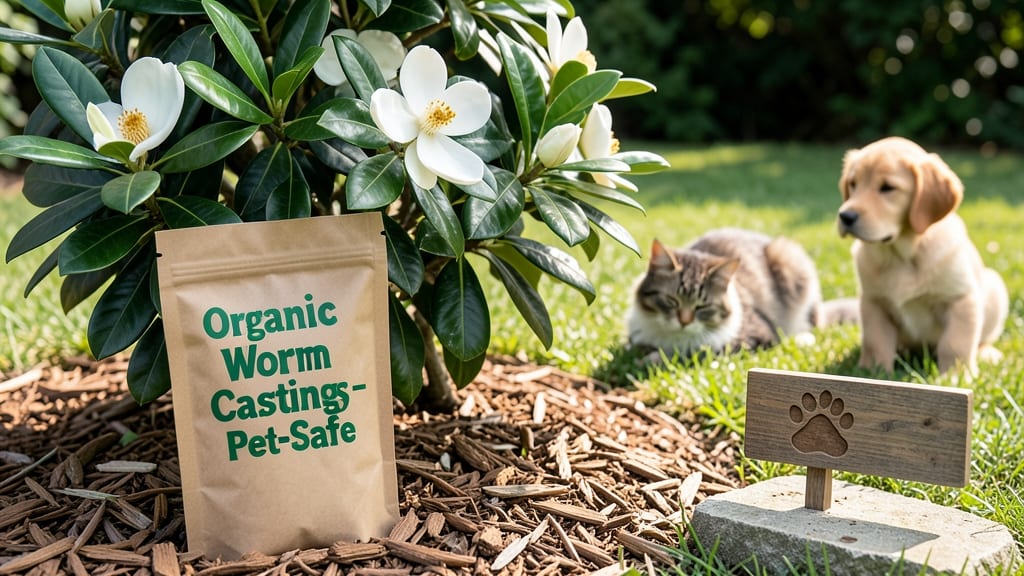
Gardenia plants are not pet-safe for dogs or cats, as their leaves, flowers, and stems contain toxic compounds like saponins and cyanogenic glycosides that can cause vomiting, drooling, or lethargy. Keep them out of reach or opt for non-toxic alternatives like spider plants or Boston ferns.
If you have curious pets that love to nibble on houseplants, gardenias should be kept well out of their reach. 🐾 The ASPCA confirms these fragrant flowers can trigger mild to moderate reactions in dogs and cats, depending on how much they ingest.
For example, even a small bite of a leaf might cause excessive drooling or stomach upset, while larger amounts could lead to more serious symptoms like weakness or rapid heartbeat. The good news is that many pet-friendly alternatives exist—like African violets or peace lilies—that offer beautiful blooms without the risks.
The key to protecting your pets is understanding their behavior. Some cats are particularly drawn to the glossy leaves of gardenias, while dogs might investigate fallen blooms. If you suspect your pet has ingested any part of a gardenia, contact your vet immediately—early intervention can prevent complications.
For a worry-free home, consider placing gardenias in hanging baskets or elevated planters where pets can't access them.
💡 In This Article
- Toxic Components in Gardenia Plants and Their Effects on Pets
- Non-Toxic Flowering Plants for Pet Owners
Toxic components in gardenia plants and their effects on pets
Gardenia plants contain two primary toxic compounds: saponins and cyanogenic glycosides. Saponins create soapy-tasting substances that irritate the mouth and digestive tract, while cyanogenic glycosides release cyanide when metabolized.
These compounds are concentrated in all parts of the plant—leaves, flowers, and stems—making every part potentially dangerous. 🌿 For example, a single leaf contains enough saponins to cause immediate oral irritation in pets, while stems may deliver higher doses of cyanogenic glycosides due to their thicker structure.
The severity of symptoms depends on your pet's size and the amount ingested. Small dogs or cats weighing under 10 pounds may experience vomiting, diarrhea, or excessive drooling after consuming just 1-2 leaves.
Larger pets like 50-pound dogs might need to ingest significantly more (5-10 leaves) to show symptoms, but the risk of cyanide poisoning increases with larger quantities. Symptoms typically appear within 6-12 hours of ingestion, though some pets may react immediately with drooling or pawing at their mouth.
Cyanogenic glycosides are particularly concerning because they break down into hydrogen cyanide—a compound that disrupts cellular oxygen use. This can lead to rapid breathing, weakness, or even collapse in severe cases. Saponins, meanwhile, create a foamy saliva that pets often try to expel by drooling excessively.
The combination of these toxins makes gardenias a double threat: one compound irritates the digestive system, while the other impacts the nervous system. 🐶 This dual mechanism explains why even small exposures can cause noticeable distress in pets.
Breed-specific sensitivities also play a role. For instance, brachycephalic breeds (like Pugs or Bulldogs) with pre-existing respiratory issues may react more severely to cyanide exposure, while hairless breeds (like Xoloitzcuintlis) have less protection from skin irritation if they come into contact with gardenia sap.
Always monitor your pet's behavior after potential exposure, as individual reactions can vary widely even within the same species.
If you suspect your pet has ingested gardenia, look for these red flags: persistent drooling, vomiting, lethargy, or difficulty breathing. These symptoms indicate the toxins are affecting multiple systems in the body.
Immediate veterinary care is critical, as treatments like activated charcoal can bind to saponins before they're absorbed, while cyanide poisoning may require specialized antidotes. 🚑 Keeping gardenias in hanging baskets or behind pet-proof barriers can prevent accidental ingestion entirely.