
Advice
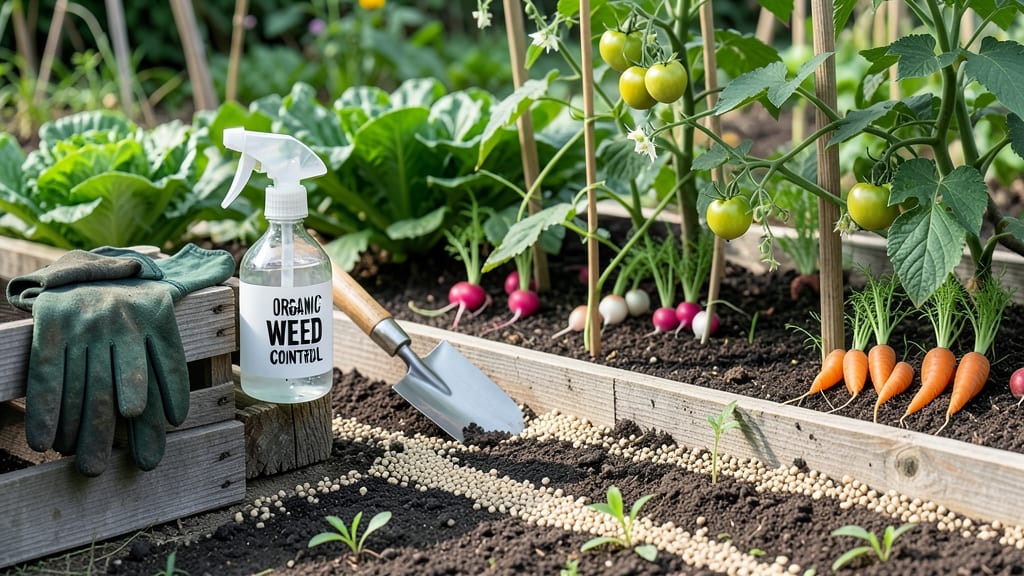
You can use Preen in a vegetable garden, but only on mature plants like tomatoes, peppers, and beans—never near seedlings or edible parts such as fruits or herbs. Always check the label for application timing and coverage rates to avoid harming your plants or contaminating the soil.
Preen works primarily by preventing weed seeds from germinating, using natural ingredients like corn gluten meal and corn oil. 🌱 For vegetable gardens, the key is applying it after your plants have established themselves—typically 4-6 weeks post-planting.
This timing ensures your vegetables are strong enough to withstand the pre-emergent treatment without stress. I've found that organic gardeners especially appreciate Preen because it avoids synthetic chemicals while still delivering effective weed control.
When applying, focus on the soil surface rather than the plants themselves. A light, even layer is all you need—overapplying can disrupt soil microbes and harm beneficial insects. For organic certification, always choose the organic-certified version of Preen, as conventional formulas may contain synthetic additives that violate organic standards.
💡 In This Article
- How Preen Works and Its Impact on Vegetable Growth
- Safe Vegetables for Preen Application and Application Tips
How Preen works and its impact on vegetable growth
Preen's weed suppression power comes from its dual-action formula: corn gluten meal (40-50% by volume) and corn oil. The corn gluten meal works as a natural pre-emergent herbicide by inhibiting weed seed germination through a process called hormonal disruption.
When applied to soil, it releases compounds that interfere with cell division in weed seeds, preventing them from sprouting. The corn oil component creates a protective barrier on the soil surface, blocking sunlight that weeds need to germinate.
This dual mechanism makes Preen effective for up to 3-4 months per application, depending on rainfall.
The magic happens at the molecular level: corn gluten contains hydrolyzed proteins that break down into amino acids, which then interfere with the auxin transport system in weed seeds. Auxin is a plant hormone critical for root and shoot development—when disrupted, the seeds remain dormant.
For vegetables, this is safe because mature plants have already established their root systems and hormonal pathways. However, young seedlings lack this resilience, which is why Preen should never be applied within 4-6 weeks of planting or near delicate crops like lettuce or carrots. 🌱
Organic gardeners love Preen because it avoids synthetic chemicals like glyphosate, which can linger in soil and harm beneficial microbes. The organic version contains 100% natural ingredients and is OMRI-listed for organic use.
However, even organic Preen should be used judiciously—overapplication can deplete soil nitrogen as microbes break down the corn gluten meal, temporarily reducing nutrient availability for your vegetables. A light ½-pound per 100 square feet application is typically sufficient for most vegetable gardens.
Timing is everything with Preen. The product works best when applied to moist, weed-free soil in early spring or late summer, just before expected weed germination periods. Watering the area lightly after application helps the granules settle into the soil surface for maximum effectiveness.
For vegetable gardens, wait until plants are at least 6 inches tall and have developed 4-5 true leaves before applying. This ensures the plants' root systems are strong enough to tolerate the treatment without stunting growth.
What most people don't realize is how Preen affects soil ecology. While it suppresses weeds, it also temporarily reduces earthworm activity due to the corn oil component's hydrophobic nature. Earthworms avoid treated areas until the oil breaks down (typically 4-6 weeks).
This is why I recommend spot-treating only high-weed areas rather than applying Preen uniformly across the entire vegetable bed. For organic gardens, consider mixing Preen with compost tea to reintroduce beneficial microbes and accelerate soil recovery.
For comparison, Preen's weed suppression lasts about half as long as synthetic pre-emergents like pendimethalin (which can provide 6-8 months of control). However, Preen's organic status and lack of soil residue make it far safer for edible gardens.
The trade-off is more frequent applications—typically 2-3 times per season—compared to once with synthetic alternatives. This frequency aligns well with most vegetable planting cycles, making Preen a practical choice for organic gardeners who rotate crops annually.