
Light Requirements
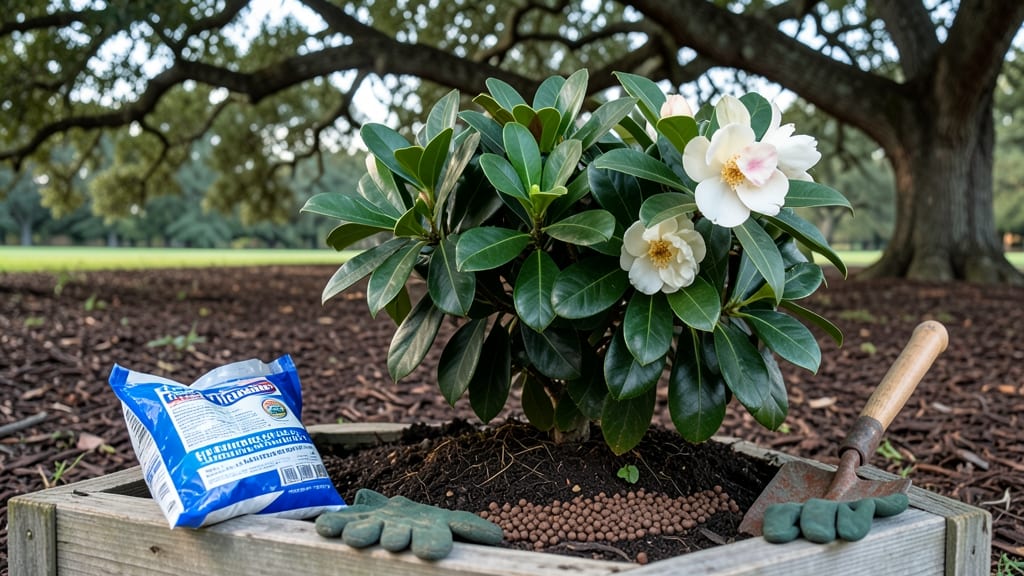
Mastering the gardenia fertilizer requirements is the key to those fragrant, creamy blooms 🌸 that make your garden smell like a tropical paradise.
Struggling to get your gardenia to bloom? The secret might be hiding in your soil’s pH—and the right fertilizer. These fragrant beauties demand precise care, but mastering their fertilizer needs can transform a struggling plant into a lush, flowering showstopper.
Gardenia plants thrive in acidic soil (pH 5.0–6.5), which means they need fertilizers designed for acid-loving plants. Too much nitrogen can lead to leafy growth but fewer blooms, while the wrong balance of phosphorus and potassium can stunt their development entirely.
In this guide, I’ll walk you through the best fertilizers, how often to apply them, and the telltale signs of over- or under-fertilizing—so you can keep your gardenia thriving year-round.
Understanding gardenia fertilizer requirements for optimal growth and blooms
Gardenia plants thrive when their fertilizer needs are met with precision. Unlike many plants, gardenias demand a specific nutrient balance and acidic soil conditions. The key lies in understanding the NPK ratio (nitrogen, phosphorus, potassium) and micronutrients like iron and magnesium, which directly impact their fragrance and bloom production.
Most gardeners make the mistake of using general-purpose fertilizers, which often lack the acidifying properties and low nitrogen content that gardenias require. A 12-4-8 NPK ratio is ideal for these acid-loving plants, promoting vibrant blooms without excessive leafy growth.
The right fertilizer also ensures the soil pH stays within the 5.0–6.5 range, critical for nutrient uptake.
| Nutrient | Ideal Level | Role in Growth | Signs of Deficiency |
|---|---|---|---|
| Nitrogen (N) | Low (4-6%) | Foliage growth | Yellowing leaves |
| Phosphorus (P) | Moderate (8-12%) | Bloom production | Stunted growth |
| Potassium (K) | Moderate (6-8%) | Root strength | Weak stems |
| Iron (Fe) | Critical (micronutrient) | Chlorophyll production | Yellow between veins |
| Magnesium (Mg) | Critical (micronutrient) | Enzyme activation | Yellowing older leaves |
| Soil pH | 5.0–6.5 | Nutrient availability | Poor growth, no blooms |
Reading fertilizer labels is an essential skill for gardenia care. Look for products labeled for acid-loving plants like azaleas or camellias, which often include sulfur or iron to lower pH. Avoid fertilizers with high nitrogen (like 30-10-10), as they encourage leafy growth at the expense of blooms.
Instead, opt for a balanced or bloom-boosting formula with lower nitrogen and higher phosphorus.
Commercial gardenia fertilizers outperform general-purpose options because they’re formulated to address the plant’s unique needs. For example, Miracle-Gro Azalea, Camellia, and Gardenia Food contains sulfur-coated urea for slow-release nitrogen and micronutrients tailored to acid-loving plants.
Organic options like Espoma Garden Tone provide similar benefits while improving soil structure over time.
Timing your fertilizer applications is just as important as the product you choose. Feed gardenias every 4–6 weeks during active growth (spring and summer), but reduce frequency in fall and winter when growth slows.
Always apply fertilizer in the early morning to prevent leaf burn from the sun. For potted gardenias, mix a slow-release fertilizer into the soil at planting time for steady nutrition.
Micronutrients like iron and magnesium are often overlooked but play a vital role in gardenia health. Iron deficiency causes yellowing between leaf veins (chlorosis), while magnesium deficiency appears as yellowing on older leaves
Best fertilizers for gardenias: organic vs. synthetic options compared
Choosing the right gardenia fertilizer can mean the difference between sparse blooms and a fragrant, lush shrub. Gardenias thrive on acid-loving soil with balanced nutrients, but not all fertilizers deliver.
Synthetic options offer quick results, while organic choices build soil health long-term. Let’s break down the top performers to help you decide what’s best for your gardenia care routine.
Synthetic fertilizers like Miracle-Gro Azalea/Camellia provide precise nutrient ratios (e.g., 12-4-8 NPK) tailored for acid-loving plants. They dissolve fast, making them ideal for bloom promotion during spring and summer.
On the other hand, organic options like Espoma Garden Tone or cottonseed meal enrich soil gradually, improving root health and microbial activity over time.
Organic vs. Synthetic Fertilizers for Gardenias
Organic Fertilizers
- Pros: Improves soil structure, slow-release nutrients, eco-friendly
- Cons: Slower results, may require more frequent applications
Synthetic Fertilizers
- Pros: Fast-acting, precise nutrient control, easy to apply
- Cons: Can burn roots if overused, no soil improvement
For spring feeding, I recommend a 10-10-10 balanced fertilizer or a 12-4-8 acid-loving blend to kickstart growth. Apply it lightly in early spring as new shoots emerge. In summer, switch to a low-nitrogen formula (like 8-3-9) to encourage blooming over leafy growth.
Organic options work well here too—just mix cottonseed meal into the soil for a slow-release boost.
Cost-wise, synthetic fertilizers are cheaper upfront, but organic options save money long-term by reducing the need for soil amendments like peat moss or sulfur.
For example, a 5-pound bag of Espoma Garden Tone costs around $12 but lasts through multiple feedings, while a Miracle-Gro bottle runs $8 but requires monthly top-ups. Weigh your budget against your gardenia’s long-term health—organic builds resilience!
Timing is everything with gardenias. Fall and winter are no-feed seasons—your plant rests, and fertilizing now can stress it. Instead, focus on mulching with pine bark to maintain soil acidity. In spring and summer, feed every 4-6 weeks and always water deeply after application to prevent root burn.
Pro tip: Mix peat moss into potting soil for container gardenias—it mimics their natural acidic habitat. Pair it with a slow-release organic fertilizer like worm castings for a low-maintenance, high-reward combo. Your gardenias will reward you with glossy leaves and fragrant blooms all season!