
Watering
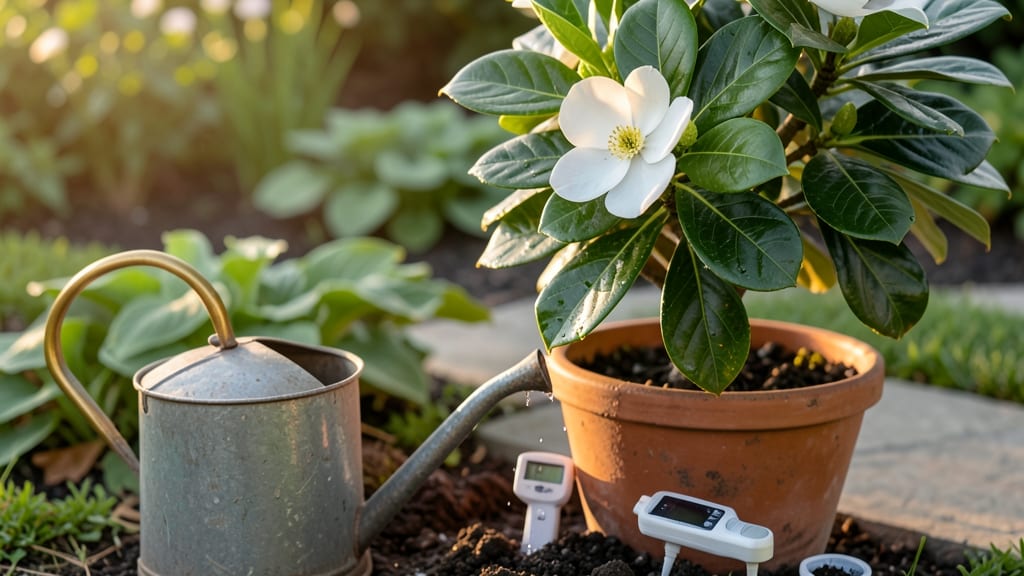
Mastering gardenia water requirements is the key to blooms that last all season — these fragrant 🌸 shrubs need consistent moisture but hate soggy roots.
Struggling to keep your gardenia blooming? The secret isn’t just sunlight—it’s mastering its watering schedule. Too much or too little, and you’ll watch those fragrant flowers fade before they even open.
In this guide, I’ll break down the exact watering schedule by season, from daily soaks in summer to light checks in winter, plus how to spot the subtle signs of thirst or rot.
You’ll learn how container gardenias need more frequent watering than in-ground plants, why morning is the best time to water, and how humidity affects their needs.
How often to water gardenias: the perfect schedule by season
Your gardenias crave consistency—too much water causes root rot, while too little stresses the plant and drops buds. The key is seasonal adjustments and soil moisture checks. Humid climates need less frequent watering than dry regions, and container gardenias dry out faster than in-ground plants.
Let’s break down the ideal watering schedule by season so your gardenias bloom like clockwork.
Gardenias thrive on deep, infrequent watering rather than light daily showers. Aim to moisten the root zone—about 6-8 inches deep—until water drains through the bottom. In humid climates, reduce watering by 20-30% to prevent fungal issues.
For dry regions, increase frequency but always let the top inch of soil dry between waterings. Use your finger to test moisture—if it feels damp but not soggy, you’re on track.
| Season | Watering Frequency | Signs of Overwatering | Signs of Underwatering |
|---|---|---|---|
| Spring | Every 2-3 days | Yellow leaves, mushy stems | Dropping buds, crispy leaf edges |
| Summer | Every 1-2 days (morning) | Fungal spots, wilting despite wet soil | Leaves curl, buds dry up |
| Fall | Every 3-5 days | Root rot smell, blackened stems | Slow growth, pale leaves |
| Winter | Every 7-10 days | Mold on soil surface | Dormant buds shrivel |
In spring, your gardenia is waking up from dormancy and needs frequent watering—about every 2-3 days. This is when buds form, so consistent moisture is critical. If you notice yellowing leaves or mushy stems, you’re overwatering.
For container gardenias, check soil moisture daily since pots dry out faster. Mulch around the base to retain moisture and regulate soil temperature.
Summer is the most demanding season for gardenias, especially in hot, dry climates. Water daily in extreme heat or every 1-2 days in moderate climates, always in the early morning to reduce evaporation. Look for drooping leaves or crispy leaf edges—these are clear signs of underwatering.
If your gardenia’s buds dry up before opening, it’s begging for more water. Use a soaker hose or drip irrigation to deliver water directly to the roots.
As fall arrives, reduce watering to every 3-5 days as growth slows. This is when gardenias prepare for winter dormancy, so overwatering risks root rot. Watch for blackened stems or a musty smell from the soil—these indicate fungal issues from excess moisture.
In humid regions, space waterings further apart to prevent fungal diseases. Prune any dead or diseased branches now to improve airflow and reduce moisture retention.
Winter care is all about minimal watering. Gardenias enter dormancy, so reduce frequency to every 7-10 days. Only water when the top 2 inches of soil feel dry. Overwatering in winter leads to mold and rot, while underwatering can cause buds to shrivel before blooming.
If you live in a mild winter zone (like USDA Zone 8+), continue light watering. For colder regions, protect your gardenia with mulch and frost cloth to prevent root damage.
Container gardenias need more frequent watering than in-ground plants because their roots have less access to moisture. In summer heat, check containers daily—small pots dry out in 24 hours.
Use terracotta pots for better drainage, and add perlite to the soil to improve aeration. If the soil feels bone-dry when you stick your finger
Gardenia watering mistakes that kill blooms (and how to fix them)
Your gardenia’s glossy leaves and heavy fragrance are signs of health—but watering mistakes can turn those blooms into a rare sight. Overwatering causes root rot, while underwatering stresses the plant, both leading to dropped buds and sparse flowers.
The key? Understanding the hidden signals your gardenia sends when its water needs aren’t met.
I’ve seen gardeners drown their gardenias with daily watering, only to watch the roots suffocate. Others skip watering during summer heat, causing leaves to curl and crisp at the edges.
Both extremes send the plant into survival mode—blooming takes a backseat when basic needs aren’t met. Let’s fix these common pitfalls before your gardenia throws in the towel.
⚠️ WARNING: 3 Silent Watering Killers
1. Soggy Soil: Gardenias hate waterlogged roots. Overwatering or poor drainage creates anaerobic conditions, where roots drown and rot in 24-48 hours. Check soil moisture by sticking your finger 2 inches deep—if it’s damp, wait to water.
2. Drought Stress: Skipping water during hot, dry spells causes bud drop and wilting leaves. Gardenias need consistent moisture, especially when buds form (spring to early summer). A daily misting in extreme heat can save blooms.
3. Improper Drainage: Containers without drainage holes or compacted garden soil trap excess water. Roots need air and oxygen—if water sits, fungus takes over, killing the plant from the roots up.
Let’s start with the most deadly mistake: overwatering. I once had a gardenia in a terracotta pot that I watered every day. Within weeks, the leaves turned yellow and mushy, and the stems felt slimy to the touch.
That’s root rot in action—a fungal infection that thrives in waterlogged soil. The fix? Repot in fresh, well-draining soil and adjust your schedule to water only when the top 2 inches are dry.
For underwatered gardenias, the signs are just as dramatic: leaves curl upward, edges turn brown and crispy, and buds fall before opening. This usually happens in summer heat or when plants are in small containers that dry out fast.
My solution? Deep watering—soak the soil until water runs out the drainage holes, then mulch with 2-3 inches of organic material (like pine bark) to retain moisture.
If your gardenia is in ground soil, test drainage by digging a 6-inch hole, filling it with water, and timing how long it takes to drain. If it’s still half-full after 6 hours, your soil is too compacted.
Amend it with perlite or sand to improve airflow. For container gardenias, always use a mix of peat moss, perlite, and pine bark—never pure garden soil.
Here’s a quick revival checklist if your gardenia is struggling: trim dead leaves, repot if roots are circling, and adjust watering based on soil dryness. With the right care, your gardenia will bounce back and reward you with lush blooms all season.
The secret? Balance—neither too much nor too little, just consistent love.