
Tools
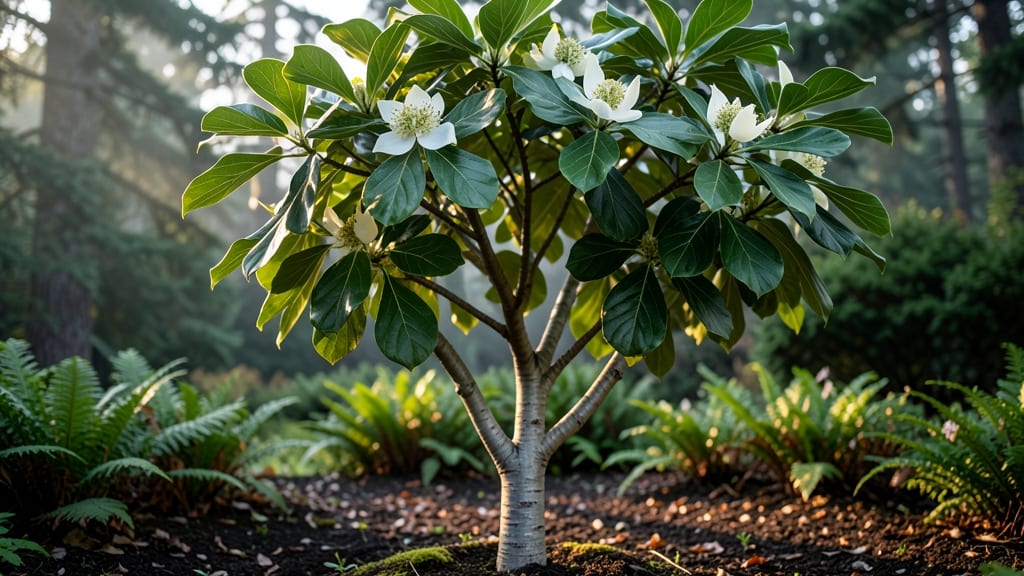
Gardening in Vancouver WA means designing spaces that work with the city's compact yards and urban constraints while making the most of its mild, wet climate. The key is combining vertical space solutions, water-wise plants, and smart layouts that create functional yet beautiful outdoor areas.
Vancouver WA's unique climate—cool summers, mild winters, and frequent rainfall—creates perfect conditions for lush gardens without excessive watering. 🌿 The city's urban landscape often means working with small spaces, so I recommend starting with native plants like Oregon grape or salal that thrive with minimal care.
Vertical gardening with trellises or hanging planters can instantly add growing space, while raised beds help control soil quality in tight areas. Many homeowners also combine edible plants with ornamental ones to maximize both beauty and function.
For those with balconies or patios, container gardening opens up endless possibilities. You can grow everything from herbs to dwarf fruit trees in just a few square feet.
The city's wet climate means you don't need to worry about extreme drought conditions, but choosing plants that tolerate occasional moisture is still important.
I always suggest starting with a few hardy options before expanding your garden—this approach lets you learn what works best in your specific microclimate while keeping maintenance manageable.
💡 In This Article
- Best Plants for Vancouver WA Gardens
- Space-Saving Layout Strategies for Small Yards
Best plants for Vancouver WA gardens
Vancouver WA's climate—marked by cool, wet winters and mild, damp summers—favors plants that thrive in partial shade to full sun with consistent moisture.
Native species like Oregon grape (Mahonia aquifolium) and salal (Gaultheria shallon) are perfect because they're adapted to the region's acidic soils and require minimal irrigation once established.
These evergreens provide year-round structure, with Oregon grape offering yellow spring blooms and salal producing dark green foliage that contrasts beautifully with other plants.
The Pacific Northwest's mild temperatures (average 50-70°F year-round) also support drought-tolerant perennials like sword fern (Polystichum munitum) and Western red cedar (Thuja plicata). Sword fern's arching fronds create texture, while cedar's scaly bark and aromatic needles add height and fragrance.
Both plants support local ecosystems by providing habitat for birds and insects. For pollinator gardens, beebalm (Monarda spp.) and yarrow (Achillea millefolium) attract bees and butterflies with their bright purple and white flowers that bloom from June to September.
Ornamental grasses like tufted hair grass (Deschampsia cespitosa) and feather reed grass (Calamagrostis acutiflora) are ideal for adding movement and texture without demanding much water. These grasses grow 3-5 feet tall and thrive in full sun to partial shade, making them perfect for borders or mass plantings.
Their seed heads provide winter interest, while their fine blades sway gently in Vancouver's frequent breezes. 🌿 For ground cover, creeping thyme (Thymus serpyllum) offers lavender flowers and a fragrant, drought-resistant mat that suppresses weeds.
When selecting plants, consider the microclimate of your space—south-facing walls get more sun, while north-facing areas stay shadier. For example, heather (Calluna vulgaris) thrives in acidic, well-drained soil and tolerates partial shade, making it ideal for underplanting shrubs.
Meanwhile, salmonberry (Rubus spectabilis) loves moist, sunny spots and produces vibrant orange-red berries that birds adore. Both plants require little to no pruning, reducing maintenance while adding seasonal color.
For edible gardens, blueberries (Vaccinium spp.) and raspberries (Rubus idaeus) are excellent choices—they're drought-tolerant once established and produce abundant fruit in Vancouver's climate. Blueberries prefer acidic soil (pH 4.5-5.5), while raspberries adapt to a wider range but benefit from well-draining soil.
Both can be grown in containers if space is limited, with 3-4 feet of height for blueberry bushes and 5-6 feet for raspberry canes.
To maximize pollinator benefits, group plants with consecutive bloom times. For instance, lupine (Lupinus spp.) blooms in early spring, followed by beebalm in summer, and goldenrod (Solidago spp.) in late summer to fall.
This ensures a continuous food source for bees and butterflies throughout the growing season. 🐝 Native plants also require 30-50% less water than non-native varieties, making them both ecologically responsible and cost-effective.