
Trees
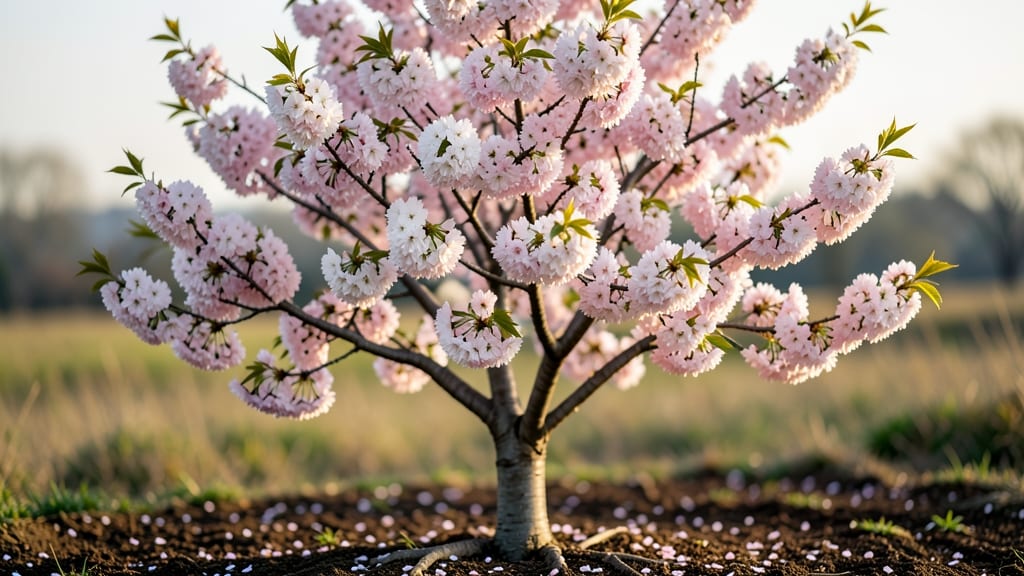
A cherry blossom tree for garden thrives in small spaces with varieties like Kwanzan or Amanogawa, offering delicate pink blooms and minimal pruning needs. Choose dwarf types for containers, and plant in well-drained soil with full sun for optimal growth and seasonal color.
A cherry blossom tree for garden can transform even the tiniest yard into a stunning spring display. 🌸 The Kwanzan variety, for example, grows just 20-30 feet tall while still producing abundant blooms, making it perfect for suburban backyards.
Dwarf types like Amanogawa stay under 15 feet and thrive in large containers, ideal for patios or balconies. These trees reward minimal effort with breathtaking seasonal color, as their blooms last longer than many other ornamental trees.
What sets these varieties apart is their adaptability. Unlike their larger counterparts, they tolerate urban conditions better, handling occasional drought and air pollution once established. The key to their success lies in proper planting—well-drained soil and full sun exposure create the perfect foundation for vibrant growth.
I've found that mulching around the base helps retain moisture while keeping roots cool during summer heat.
💡 In This Article
- Best Low-Maintenance Cherry Blossom Tree Varieties for Small Gardens
- Planting and Care Tips for Thriving Cherry Blossom Trees
Best low-maintenance cherry blossom tree varieties for small gardens
Cherry blossom trees offer incredible versatility for small gardens, with varieties specifically bred for compact growth. The Kwanzan cultivar stands out as a top choice, reaching 20-30 feet at maturity while producing abundant double pink blooms that last 2-3 weeks longer than most varieties.
Its horizontal branching habit creates a stunning canopy without requiring excessive space. For even smaller spaces, the Amanogawa variety tops out at 15 feet and thrives in 15-gallon containers, making it perfect for patios or urban balconies.
What makes these varieties low-maintenance is their natural disease resistance compared to standard types like Yoshino. The Okame cherry blossom, for instance, blooms 2-3 weeks earlier than most varieties and produces semi-double white flowers, but requires slightly more pruning to maintain its 15-20 foot height.
The key difference lies in their root systems—dwarf varieties develop shallower roots that don't compete aggressively with nearby plants, making them ideal for mixed borders. 🌸 Their smaller size also means they establish faster, typically reaching 50% of mature height within 5-7 years with proper care.
When selecting a variety, consider your garden's microclimate. Kwanzan performs best in USDA zones 5-8 and handles partial shade better than most, while Amanogawa thrives in zones 6-9 but requires full sun for optimal blooming. The trade-off?
Dwarf varieties generally produce 30-50% fewer flowers than standard types, but their compact size makes them more manageable for small-space gardening. For example, a 10-foot Amanogawa might produce 5,000-10,000 flowers annually versus 20,000-30,000 from a 25-foot Yoshino.
Another consideration is bloom timing. Early bloomers like Okame risk frost damage in colder climates, while late bloomers like Kwanzan offer more reliable spring displays.
The Shirotae variety, with its pure white flowers, provides a striking contrast but requires full sun exposure for 6+ hours daily to prevent leggy growth. For container growing, always choose self-rooted specimens—they transplant better and establish 20-30% faster than grafted trees.
Here's how the varieties compare in practical terms:
- Space needs: Kwanzan (20-30 ft) vs Amanogawa (10-15 ft) vs Okame (15-20 ft)
- Bloom duration: Kwanzan (3-4 weeks) vs Yoshino (2 weeks) vs Shirotae (2.5 weeks)
- Sun requirements: Amanogawa (full sun) vs Kwanzan (partial shade tolerant)
- Container suitability: Amanogawa (15+ gallon) vs Okame (20+ gallon)
The secret to their low-maintenance nature lies in their genetic adaptations. Most dwarf varieties have been selectively bred to produce shorter internodes (the distance between branches), which creates a more compact growth habit.
This same trait makes them more resistant to wind damage and reduces the need for structural pruning. 💫 For urban gardeners, this means less cleanup after storms and fewer branches requiring removal.