
Tools
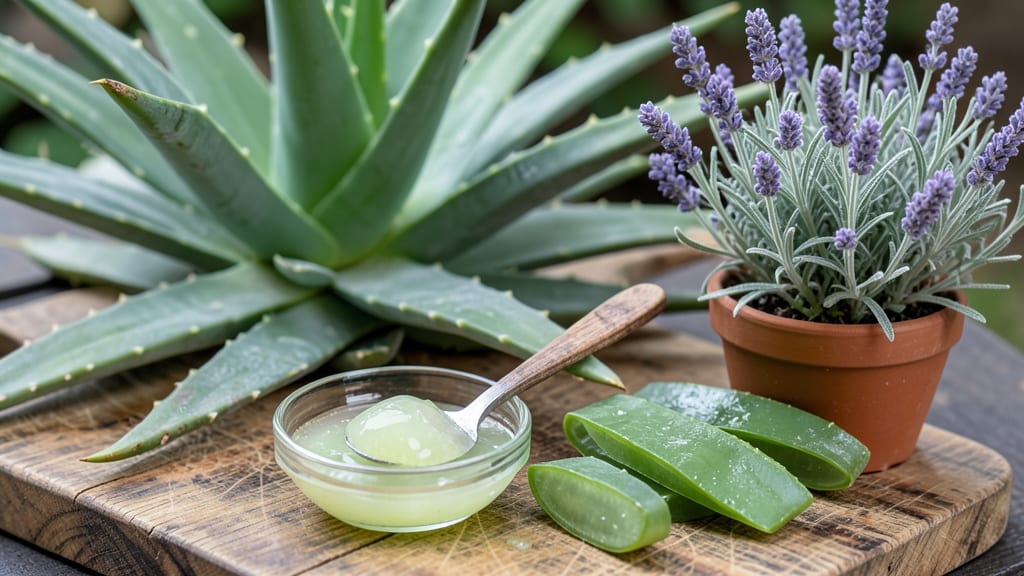
Garden skin care focuses on shielding your skin from sun damage, dirt buildup, and plant irritants while using plant-based ingredients like aloe vera and green tea to keep your complexion bright and nourished. Use broad-spectrum SPF daily, cleanse deeply after outdoor work, and layer on botanical serums for lasting protection.
Your skin faces unique challenges when you're working in the garden—sun exposure accelerates aging, while dirt and plant oils can clog pores and trigger irritation. 🌿 The key is balancing protection with gentle, nature-inspired care.
Start with a broad-spectrum SPF to block UV rays, then follow up with a gentle cleanser to remove grime without stripping natural oils. Plant-based serums like those infused with chamomile or calendula help repair any damage while keeping your skin hydrated and resilient.
What sets garden skin care apart is its focus on botanical ingredients that work with your skin's natural defenses. For example, aloe vera soothes sunburned skin, while green tea extract fights inflammation caused by handling plants.
I always keep a small spray bottle of diluted rose water in my gardening tool belt—it refreshes my face mid-task and doubles as a light toner when I get back inside.
💡 In This Article
- How Sun Exposure and Plant Oils Affect Garden Skin
- DIY Botanical Skin Care Recipes for Gardeners
How sun exposure and plant oils affect garden skin
When you spend time outdoors gardening, your skin faces a double threat: UV radiation and plant-based irritants. The sun's UVA rays penetrate deep into the dermis, breaking down collagen fibers that keep skin firm and elastic.
This process accelerates fine lines and wrinkles, while UVB rays trigger surface burns and hyperpigmentation. Studies show that just 15 minutes of unprotected sun exposure can reduce your skin's vitamin E levels by 30%, a critical antioxidant that helps repair UV damage. 🌞
Plant oils like those from lavender, rosemary, or even sap from trees contain natural compounds called terpenes that can clog pores and trigger allergic reactions. For example, the oils in poison ivy contain urushiol, which binds to skin proteins and triggers an immune response in 75% of people.
Even harmless plants like aloe vera, when overused, can cause dryness because their gel contains 99% water, which evaporates quickly and strips natural moisture. That's why balancing protection with proper hydration is essential.
The good news is that plant-based ingredients can also work as your skin's allies. Jojoba oil, for instance, mimics your skin's natural sebum and contains vitamin E to combat oxidative stress from sun exposure.
When applied after gardening, it helps restore the skin barrier that gets compromised by dirt and sweat.
Argan oil, rich in fatty acids, penetrates three layers deeper than mineral oil, delivering moisture where it's needed most. 🌿 The key is using these oils after cleansing—not before—so they can absorb properly without trapping additional grime.
Hydration becomes especially critical after gardening because your skin loses moisture through sweat and wind exposure. Dehydrated skin appears dull and is more prone to irritation. That's why I always recommend layering a hydrating serum with 5-10% hyaluronic acid after cleansing.
This ingredient can hold 1,000 times its weight in water, instantly plumping up dry skin and preparing it to absorb subsequent moisturizers. For gardeners with oily skin, look for gel-based serums that provide hydration without heaviness.
One common misconception is that all plant oils are beneficial. Some, like citrus oils (lemon, orange), actually increase photosensitivity, making your skin more vulnerable to sunburn. Always patch-test new botanical products on your inner arm before full application.
The best approach is to combine sun protection with gentle, non-comedogenic botanicals that support your skin's natural repair processes. 🌱
Consider this routine for maximum protection: Start with a broad-spectrum SPF 30-50 applied 15-30 minutes before sun exposure, then follow with a lightweight cleanser containing 2-5% salicylic acid to remove plant oils.
Finish with a serum containing 1-2% niacinamide to calm redness and strengthen your skin barrier. This combination addresses both the immediate threats and long-term damage from gardening.