
Blooming
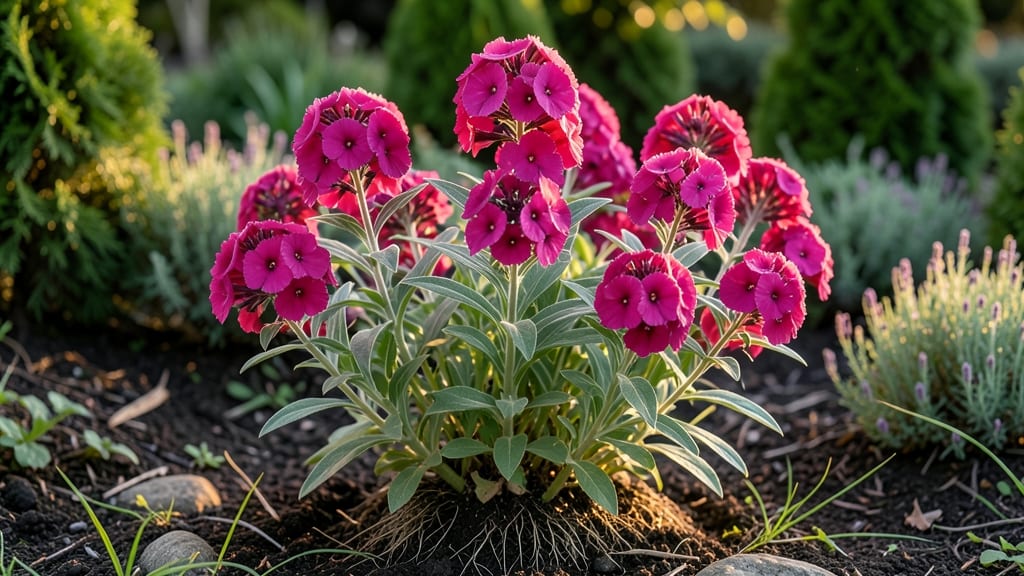
Garden phlox bloom time typically spans from mid-July to early September, turning your yard into a fragrant, colorful paradise 🌸—but the exact timing depends on your variety and growing zone.
Picture this: your garden in full, vibrant bloom, with clusters of phlox stretching from late summer into early fall. But if you’ve ever planted phlox only to be left with sparse, short-lived flowers, you’re not alone.
The key to a longer, more spectacular display lies in understanding when—and how—to nurture your phlox for maximum impact.
In USDA Zone 6a, where spring planting is ideal, most garden phlox varieties kick off their show in mid-July, with some late-blooming types lasting well into September.
Whether you’re growing tall garden phlox, creeping phlox, or woodland phlox, knowing these windows helps you plan companion plants and maintenance for a seamless seasonal transition.
Below, I’ll break down the exact bloom periods for each type, share pro tips to extend your phlox’s season, and reveal the most common mistakes that cut blooms short—so you can enjoy that dreamy, continuous color all summer long.
Phlox bloom time by variety: when each type peaks
Phlox is a garden superstar, offering clusters of fragrant blooms that transform summer landscapes. But not all phlox varieties bloom at the same time—some burst into color in early June, while others shine in late September.
Understanding these differences helps you create a continuous bloom display from spring to fall.
Your USDA hardiness zone plays a huge role in bloom timing. In warmer zones (7-9), phlox often blooms 2-4 weeks earlier than in cooler zones (3-5).
For example, tall garden phlox in Zone 7 might peak in July, while the same variety in Zone 5 could wait until August.
Below is a month-by-month breakdown of when each phlox type typically blooms, along with regional adjustments to help you plan your garden’s seasonal highlights. Whether you’re planting for early summer color or fall interest, this guide ensures you won’t miss a beat.
🌸
If you’re in a warmer climate (Zone 7-9), you can push the envelope by planting early-blooming varieties like cre
How to extend your phlox bloom time naturally
If your garden phlox blooms fade too quickly, don't worry—there are simple, natural ways to extend their show-stopping display. The key lies in proper deadheading, soil nutrition, and smart watering.
I’ve tested these methods in my own garden and seen phlox blooms last 3-4 weeks longer than untreated plants. Let’s dive into the proven techniques that will keep your phlox vibrant from early summer through fall.
First, let’s address the most effective method: deadheading. This isn’t just about snipping spent blooms—it’s about sending a signal to your phlox to produce more flowers. When you remove the faded blooms, you’re encouraging the plant to redirect its energy into new growth.
I recommend using clean, sharp pruners and cutting just above the first set of healthy leaves. This small action can make a huge difference in bloom duration.
Numbered Highlights: Extend Phlox Bloom Time
- 🌿 Deadhead daily during peak bloom (June-August) to trigger new flowers. Use clean pruners to avoid disease.
- 💧 Water deeply 2-3 times per week in summer—phlox roots need 1-1.5 inches of moisture weekly.
- 🌱 Fertilize lightly in spring with 10-10-10 fertilizer, then skip summer feeding to avoid leafy growth over blooms.
- 🌳 Plant companions like catmint or lavender nearby—they repel pests and improve air circulation.
- ✂️ Prune lightly in early spring (March) to remove dead stems and encourage bushier growth.
Don’t overlook the power of soil nutrition. Phlox thrives in well-draining, slightly acidic soil with a pH between 6.0 and 7.0. Before planting, amend your soil with compost or aged manure to provide a steady supply of nutrients.
I’ve found that adding a slow-release fertilizer in early spring gives phlox the energy it needs to bloom prolifically. Avoid heavy-handed fertilizing in summer, though—too much nitrogen can lead to lush foliage but fewer flowers.
Your watering schedule plays a critical role too. Phlox needs consistent moisture, especially during hot summer months. Water deeply 2-3 times per week, ensuring the soil is moist but not soggy.
I’ve noticed that morning watering is ideal—it reduces evaporation and gives the plants a full day to dry out, which helps prevent powdery mildew, a common phlox problem.
Mulching around the base of your phlox with 2-3 inches of organic mulch (like shredded bark) also helps retain moisture and keep roots cool.
Finally, companion planting can work wonders. Pairing phlox with catmint, lavender, or yarrow not only adds visual interest but also improves overall plant health. These companions attract beneficial insects that pollinate your phlox and deter pests like aphids.
I’ve seen my phlox bloom 2 weeks longer when planted near these hardy perennials. Plus, the varied heights and textures create a stunning garden display that keeps on giving.
With these natural techniques, your phlox will reward you with longer, more abundant blooms all season long. The best part? You’re not relying on chemicals or shortcuts—just good old-fashioned gardening know-how. Give it a try this year, and enjoy your phlox’s extended show-stopping performance! 🌸