
Tools
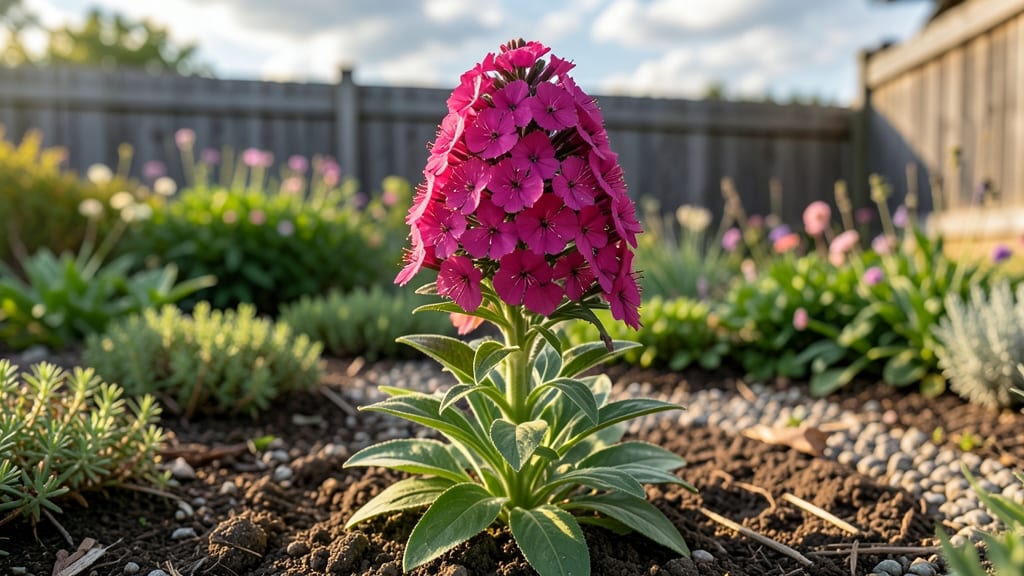
Growing the tallest garden phlox 🌸 means reaching for heights of 5 feet or more—and it’s easier than you think with the right techniques.
If you dream of creating a dramatic floral display that reaches eye-level—or even higher—tall garden phlox varieties are your secret weapon. These towering beauties can soar over 5 feet, transforming your garden into a lush vertical masterpiece.
But not all phlox varieties grow tall, and even the best ones need the right conditions to reach their full potential. From soil prep to strategic staking, small adjustments can mean the difference between a 3-foot bush and a 5-foot showstopper.
In this guide, I’ll share the top tallest varieties, proven tricks to maximize height, and how to avoid common mistakes that stunt growth. Let’s get those blooms towering!
Top 5 tallest garden phlox varieties and their stunning height records
When I first planted garden phlox, I expected pretty flowers—but nothing prepared me for how towering these varieties can grow! The tallest phlox cultivars can reach 5 feet or more, creating breathtaking vertical displays that rival small trees.
If you're aiming for dramatic height and long-lasting blooms, these five varieties will deliver spectacular results with minimal effort.
What sets these phlox apart isn't just their height records, but their ability to thrive in full sun while producing clusters of vibrant blooms that attract pollinators. Whether you're designing a backyard border or a cut-flower garden, these varieties will become your go-to for eye-catching vertical interest.
Let's dive into the specifics of each variety and how to coax them to reach their maximum potential.
Height isn't the only factor—these phlox also vary in bloom color, hardiness, and care requirements. For example, some varieties like 'David' boast deep purple blooms that stand out against green foliage, while others like 'Lipstick' offer bold pink hues that add a pop of color. Understanding these differences will help you choose the perfect variety for your garden's aesthetic and climate.
| Variety | Height Range | Bloom Color | USDA Zones | Sunlight Needs | Best For |
|---|---|---|---|---|---|
| 'David' | 4-5 ft | Deep purple | 4-9 | Full sun | Cut flowers, borders |
| 'Blue Ridge' | 3.5-4.5 ft | Blue-violet | 4-8 | Full sun | Pollinator gardens |
| 'Lipstick' | 4-5 ft | Hot pink | 5-9 | Full sun | Dramatic accents |
| 'Jeana' | 3-4 ft | White with pink edges | 4-8 | Full sun to part shade | Elegant borders |
| 'David's Dream' | 4-5 ft | Lavender-pink | 4-9 | Full sun | Long-lasting blooms |
Let's start with 'David', my personal favorite for its bold height and rich purple blooms. This variety consistently reaches 4-5 feet when given the right conditions, making it perfect for backyard focal points or cut-flower arrangements.
I've found that planting 'David' in well-draining soil with regular fertilization pushes it to its maximum height potential. Pair it with tall grasses or sunflowers for a stunning contrast.
Next up is 'Blue Ridge', a blue-violet beauty that thrives in USDA zones 4
Proven techniques to maximize phlox height: soil, Watering, and support secrets
To coax your garden phlox to reach its maximum height potential, start with the foundation: rich, well-draining soil. Phlox thrives in soil with a pH between 6.0 and 7.0, but adding compost or aged manure can give it the extra nutrients it craves for towering growth.
I’ve found that mixing in organic matter like leaf mold or worm castings creates the perfect environment for deep root development, which directly translates to taller stems.
Another critical factor is consistent moisture without waterlogging. Phlox plants need 1-1.5 inches of water weekly, but they despise soggy roots. I water mine deeply in the early morning to allow foliage to dry before evening, preventing fungal issues that can weaken stems.
Mulching with 2-3 inches of organic mulch helps retain moisture while keeping roots cool—a game-changer for 5-foot-tall phlox varieties like 'David' or 'Blue Ridge'.
🌱 Phlox Height Hack:
For tallest garden phlox, combine 3 key elements:
- Soil boost: Add 1 cup compost per plant at planting
- Watering: Deep soak 2x weekly in dry spells
- Support: Install stakes at 3 ft when stems reach 18 inches
Support is where many gardeners miss the mark. Without proper staking or cages, even the hardiest phlox varieties will flop dramatically under their own weight. I use bamboo stakes or tomato cages inserted gently beside each plant when stems hit 18-24 inches tall.
For varieties like 'Lipstick' phlox, which can reach 4-5 feet, I tie stems loosely with soft plant ties every 10-12 inches to distribute weight evenly. This prevents breakage while encouraging vertical growth.
Pruning isn’t just for shaping—it’s a height-boosting strategy. After the first flush of blooms fades, I shear back stems by 1/3 to encourage a second, often taller round of flowering.
The key is to cut just above a leaf node and avoid heavy pruning after mid-summer, as new growth won’t have time to harden off before frost. This technique has helped my 'David's Dream' phlox hit 5 feet reliably for the past three seasons.
Don’t overlook the power of seasonal adjustments. In spring, I feed my phlox with a balanced 10-10-10 fertilizer to fuel early growth, then switch to a low-phosphorus formula in late summer to prevent leggy, weak stems.
I’ve also noticed that late-summer deadheading (removing spent blooms) redirects energy upward, resulting in noticeably taller stems in the final blooming phase. It’s these small, science-backed tweaks that turn good phlox into showstopper phlox.
With these soil, water, and support secrets, your phlox won’t just reach their genetic height potential—they’ll exceed it. The difference between 3-foot and 5-foot phlox often comes down to these precision techniques.
Start with one method this season, and watch your garden transform into a vertical floral wonderland. 🌷