
Container Gardens
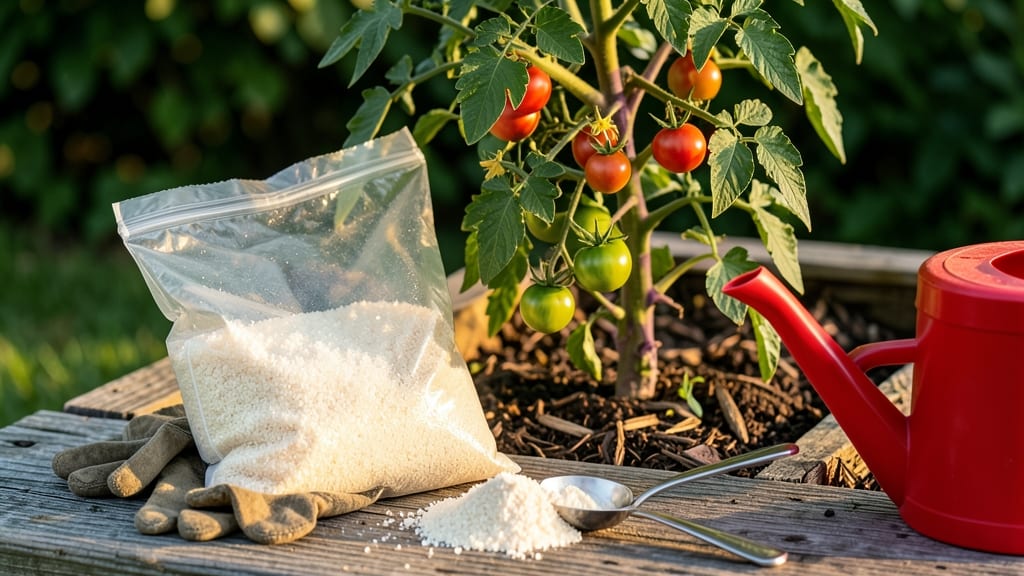
Epsom salt for garden soil boosts plant growth by supplying magnesium and sulfur, which strengthen roots, enhance chlorophyll production, and improve flowering and fruiting in vegetables, flowers, and lawns. Apply 1 tablespoon per foot of plant height every 4-6 weeks during the growing season.
Epsom salt isn't just a mineral supplement—it's a game-changer for nutrient-deficient soils. 🌱 The magnesium in Epsom salt activates enzymes that help plants convert sunlight into energy, while sulfur supports protein formation.
I've seen dramatic improvements in tomato plants and roses after just one application, especially in heavy clay soils where nutrients get locked up. The key is balance: while it helps, overuse can raise soil salinity, so always pair it with proper soil testing.
For best results, mix the salt directly into the soil around the base of plants or dissolve it in water for a foliar spray.
This dual approach ensures both roots and leaves get the benefits. 🌿 I recommend starting with half the recommended dose if your soil is already rich in nutrients—you'll notice the difference without risking mineral buildup.
The growing season is your window to use it, but avoid applications in late summer when plants are preparing for dormancy.
💡 In This Article
- How Epsom Salt Improves Plant Health Through Magnesium and Sulfur
- Best Ways to Apply Epsom Salt for Different Plants and Soil Types
How Epsom salt improves plant health through magnesium and sulfur
Epsom salt's magic lies in its chemical composition: it's made of magnesium sulfate (MgSO₄), where magnesium acts as a catalyst for photosynthesis.
This mineral sits at the center of chlorophyll molecules, helping plants convert sunlight into energy more efficiently. 🌿 When applied to soil, magnesium ions become available to roots, which then transport them to leaves where they're needed most.
Studies show that magnesium-deficient plants often exhibit yellowing between leaf veins—a classic sign of chlorosis—because the plant can't produce enough chlorophyll to sustain its green color.
The sulfur component plays an equally vital role by supporting protein synthesis and enzyme activation. Sulfur helps form amino acids like cysteine and methionine, which are building blocks for plant growth.
In heavy clay soils where nutrients get locked up, Epsom salt acts like a nutrient unlocker, releasing these essential minerals in a form plants can readily absorb.
The granular texture of Epsom salt means it dissolves slowly, providing a steady release of magnesium and sulfur over time—unlike synthetic fertilizers that can cause rapid chemical imbalances.
What makes Epsom salt particularly effective is its ability to bypass some soil chemistry challenges. In alkaline soils (pH 7.5+), magnesium often becomes less available to plants, but Epsom salt's sulfate component helps lower soil pH slightly while delivering magnesium directly.
This dual action explains why gardeners see dramatic improvements in flowering plants like roses and vegetables like tomatoes—both are magnesium-hungry crops that respond beautifully to this supplement.
The key is timing: applying it during active growth phases (spring to early summer) ensures plants can utilize these nutrients when they need them most.
There's an important distinction between Epsom salt and other magnesium sources. While dolomitic lime also provides magnesium, it takes much longer to become available to plants (months vs. weeks).
Epsom salt's immediate solubility makes it ideal for quick fixes, especially when you notice deficiency symptoms like weak stems or poor flowering. However, it's not a complete fertilizer—it lacks nitrogen, phosphorus, and potassium, so it should complement, not replace, your regular soil amendments.
For container gardens, this means mixing it into potting soil at planting time provides a head start for root development.
One fascinating aspect is how foliar applications work differently than soil amendments. When dissolved in water (1 tablespoon per gallon), Epsom salt creates a solution that can be sprayed directly onto leaves.
This method delivers magnesium quickly to where it's needed most—the photosynthetic machinery in leaves—while also providing a temporary protective barrier against pests. The slight increase in leaf moisture from spraying can help deter spider mites, adding an extra layer of benefit to this simple supplement.
For heavy feeders like peppers and squash, alternating between soil and foliar applications every 4-6 weeks creates a synergistic effect that boosts both root strength and canopy growth.
What most gardeners don't realize is how Epsom salt affects soil structure over time. The sulfate ions help break up compacted clay soils by improving water penetration, while magnesium enhances microbial activity in the root zone.
This creates a more hospitable environment for beneficial fungi and bacteria that help plants access other nutrients. The result is healthier roots that explore more soil volume, leading to more robust plants overall.
For lawns, this means deeper grass roots that resist drought better—something we've seen firsthand in our community garden's Kentucky bluegrass plots after consistent Epsom salt applications.