
Tools
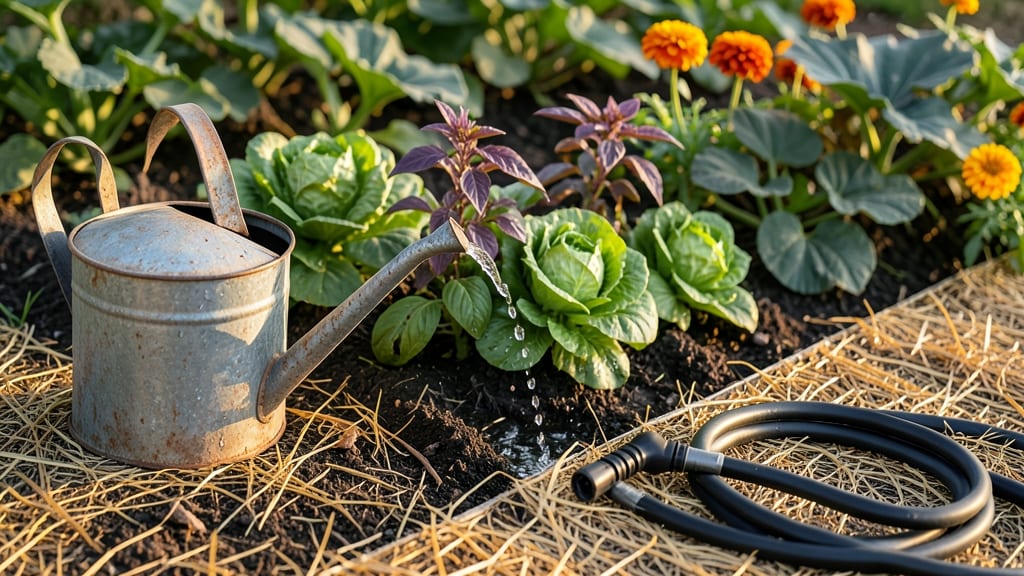
Watering your garden bed properly is the difference between lush, thriving plants and wasted effort — and a drip irrigation system makes all the difference.
Picture this: you walk out to your garden after a long day, only to find some plants wilting while others are drowning in soggy soil. Uneven watering isn’t just frustrating—it’s a recipe for stunted growth, disease, and wasted water.
That’s where smart drip systems come in, delivering water directly to the roots where it matters most, cutting your usage by up to 50% while keeping your garden bed healthy year-round.
Whether you’re dealing with hot summer droughts or rainy spring downpours, the right setup ensures your plants get just the right amount—no guesswork, no overwatering, and no underwatering.
Below, I’ll walk you through how to choose the best system for your garden, avoid common mistakes, and keep your watering efficient no matter the season.
Ready to transform your garden bed from a high-maintenance chore into a thriving, low-stress oasis? Let’s dive into the tools, tips, and tricks that will save you time, water, and frustration.
How smart drip irrigation systems work for garden beds
If you’ve ever watched water puddle at the edges of your garden bed while your plants’ roots stay parched, you’ve experienced the frustration of inefficient watering. Smart drip irrigation systems solve this by delivering water directly to the soil, right where roots need it most.
Unlike overhead sprinklers that waste water on leaves and evaporation, drip systems use low-pressure emitters to create a slow, steady drip—just like nature’s rainfall. This targeted approach not only conserves water but also reduces fungal diseases by keeping foliage dry.
The magic happens underground (or just beneath the soil surface). Emitters—tiny nozzles or tubes—release water at a controlled rate, often just 1-4 gallons per hour, depending on the system. These emitters can be fixed or adjustable, allowing you to customize water flow for different plants.
For example, delicate herbs like basil need gentle, frequent watering, while hearty vegetables like tomatoes thrive with deeper, less frequent soaks. The system’s pressure-compensating design ensures even distribution, so your raised beds or in-ground plots get uniform moisture regardless of terrain.
Here’s where it gets even smarter: zoning. A well-designed drip system divides your garden into separate watering zones, each with its own valve and timer. This means you can water your vegetable patch on one schedule while your flower borders get a different cycle.
Some advanced systems even integrate with soil moisture sensors, automatically adjusting water delivery based on real-time data. Imagine your system turning off when the soil is damp or increasing flow during a heatwave—no guesswork required.
Let’s break down the core components of a drip system to understand why they’re so effective for garden beds.
The mainline (a larger tube) carries water from your source, while lateral lines branch out to deliver it to each plant. Filters (usually 100-200 mesh) prevent clogs from debris, and pressure regulators ensure consistent flow.
The emitters themselves come in various styles, including micro-sprayers for broad coverage and drip tubes for row crops. Each plays a role in maximizing efficiency and plant health.
| Emitter Type | Flow Rate (GPH) | Best For | Pros | Cons |
|---|---|---|---|---|
| Micro-Tube Emitters | 0.5–1.5 | Herbs, seedlings, small plants | Gentle, even flow; low clog risk | Requires precise spacing |
| Drip Stakes | 1–2 | Tomatoes, peppers, vining plants | Adjustable height; easy to move | Can snag on plants if not secured |
| Micro-Sprayers | 2–10 | Large plants, shrubs, ground covers | Wide coverage; mimics rainfall | Can wet foliage (increases disease risk) |
| Drip Tape | 0.1–0.5 per foot | Row crops, strawberries, long beds | Cost-effective for large areas; easy to install | Hard to repair if punctured |
| Soaker Hoses | 1–3 per foot | Trees, large shrubs, perimeter beds | Flexible; good for established plants | Can leach chemicals into soil |
The real game-changer? Automation. Modern drip systems pair with smart controllers that sync with weather forecasts, adjusting watering schedules to avoid overwatering during rain or extending cycles during droughts. Some even connect to mobile apps, letting you monitor soil moisture and system status from your phone.
For example, if a heatwave hits, your system can automatically increase watering frequency for shallow-rooted plants like lettuce while keeping the same schedule for drought-tolerant succulents.
Beyond convenience, drip irrigation boosts plant health by promoting deeper root growth. When water is delivered consistently to the root zone, plants
Top 5 water-saving drip irrigation kits for different garden sizes
Choosing the right drip irrigation kit depends on your garden bed size and specific needs. Whether you're managing a small container garden or a large in-ground plot, the perfect system balances water efficiency, ease of use, and coverage area.
Below, I’ve curated five top-rated kits that cater to every gardener—from beginners to pros—while ensuring water conservation and plant health.
For small gardens or container setups, a compact kit with low flow rates is ideal. Larger gardens benefit from high-capacity emitters and customizable zones.
Each kit below includes key features like pressure regulation, clog-resistant emitters, and compatibility with raised beds, in-ground plots, or hanging baskets. Let’s dive into the best options!
The Orbit B’hive 5000 kit is perfect for small to medium gardens (up to 500 sq ft). It features adjustable emitters and a 50-foot hose, making it ideal for raised beds or container gardens.
Its low-pressure design prevents clogging, and the included timer automates watering schedules. I love how it’s budget-friendly yet durable, with replaceable filters for long-term use.
For larger gardens (up to 1,000 sq ft), the Rain Bird Drip Irrigation Kit is a game-changer. It includes customizable zones, high-flow emitters, and a pressure regulator to handle uneven terrain.
This kit is professional-grade but beginner-friendly, with clear instructions for in-ground plots or vegetable gardens. The 100-foot hose and multiple emitter options let you tailor it to your layout.
If you’re working with raised beds or hanging baskets, the Gardena Drip Irrigation Kit is a standout. Its flexible tubing and micro-adjustable emitters deliver water precisely where needed, reducing waste. The kit covers up to 400 sq ft and includes a digital timer for automated watering.
I’ve found it especially useful for herb gardens or flower beds where precision matters most.
For container gardens or balcony setups, the Swivel Drip Irrigation Kit is compact and easy to assemble. Its swivel emitters rotate 360 degrees, ensuring even water distribution in small pots or window boxes.
With a 25-foot hose and adjustable flow rates, it’s perfect for urban gardeners with limited space. The kit also includes a pressure-compensating emitter to handle varying water pressures.
Finally, the Nelson Drip Irrigation Kit is a premium option for large-scale gardens (up to 2,000 sq ft). It features stainless steel emitters, durable PVC tubing, and a multi-zone controller for customized watering schedules.
This kit is ideal for commercial growers or serious hobbyists who need reliable performance and long-term savings. The included fertilizer injector adds an extra layer of convenience for nutrient delivery.
No matter your garden size, these drip irrigation kits will help you save water, reduce maintenance, and boost plant growth. Start with a small kit for containers or raised beds, then upgrade to a larger system as your garden expands. Happy watering!