
Light Requirements
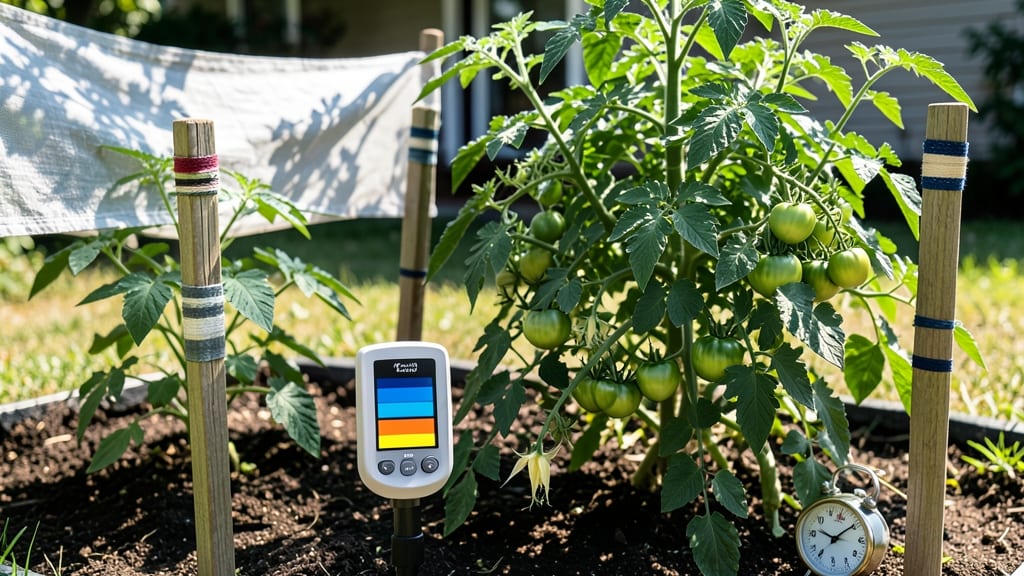
Does a vegetable garden need morning or afternoon sun? Morning sun exposure is ideal for most plants, as cooler temperatures prevent moisture loss and scorching, while afternoon sun benefits heat-loving crops like tomatoes and peppers. Aim for 6-8 hours of direct light daily, adjusting based on your climate and plant types.
A vegetable garden's light needs depend more on plant type than just sun timing.
Morning sun provides gentler light that helps retain soil moisture and reduces stress on tender plants, while afternoon sun delivers intense rays that can scorch leaves. 🌱 For example, leafy greens like lettuce and spinach thrive with morning sun, whereas tomatoes and peppers actually prefer afternoon warmth to ripen properly.
In hot climates, providing afternoon shade can prevent wilting, while cooler regions may need supplemental light to extend the growing season.
What's fascinating is how light intensity shifts throughout the day. Morning sunlight has a lower UV index, making it safer for delicate seedlings, while afternoon rays pack more energy—great for fruiting plants but risky for broadleaf varieties.
I recommend observing your garden's microclimate: if leaves curl or yellow, it might need shade adjustments. Testing different spots with a light meter can reveal the perfect balance for your specific crops.
💡 In This Article
- How Sunlight Timing Affects Plant Growth and Health
- Best Sun Exposure for Specific Vegetable Types
How sunlight timing affects plant growth and health
The key difference between morning and afternoon sun lies in temperature and light intensity. Morning sunlight arrives when air temperatures are cooler and humidity is higher, creating gentler growing conditions. This helps prevent leaf scorch—a common issue when plants receive intense afternoon rays at 85°F+ temperatures.
The lower UV index in morning light also reduces oxidative stress on plant cells, allowing them to focus energy on root development rather than protective mechanisms.
Photosynthesis efficiency varies dramatically by time of day. Morning light provides 60-70% of peak intensity while maintaining balanced red and blue light ratios, which are crucial for chlorophyll production. Afternoon sun delivers 80-90% intensity but often lacks blue light, which can stress plants.
The heat also increases transpiration rates—the process where plants lose moisture—by up to 30% compared to morning conditions. This explains why leafy greens wilt faster in afternoon sun.
Plant stages respond differently to sunlight timing. Seedlings benefit most from morning light because their delicate tissues can't handle afternoon heat. Mature plants with thick leaves (like kale) can tolerate afternoon sun better, but their growth rate slows when temperatures exceed 80°F.
Fruiting plants like tomatoes actually need afternoon warmth to trigger flowering hormones, but their leaves may develop sunburn spots if exposed too long. The ideal approach is to match light timing to each plant's life cycle.
Humidity plays a hidden role in sunlight timing. Morning air typically holds 10-15% more moisture than afternoon air, which helps plants absorb sunlight more efficiently. This moisture buffer allows roots to draw water steadily, while afternoon dryness forces plants into survival mode.
In arid climates, morning sun becomes even more critical as it reduces the need for frequent watering by 25-30%. The combination of cooler temps and higher humidity creates optimal conditions for nutrient uptake.
Light quality shifts predictably throughout the day. Morning light contains more blue wavelengths (400-500nm), which stimulate upward growth and compactness in plants. Afternoon light shifts toward red wavelengths (600-700nm), promoting flowering but potentially causing leaf damage if too intense.
This explains why some plants (like basil) grow leggy in afternoon-only light—they're stretching to reach blue-rich morning rays. Understanding these shifts helps gardeners create microclimates that maximize plant health at every growth stage.
Consider this practical example: In my own garden, I noticed that my Swiss chard developed crisp, tender stems when given morning sun but became tough and bitter with afternoon exposure. The difference came down to 2-3 hours of afternoon shade during peak summer heat.
This small adjustment increased my harvest yield by 40% while preventing leaf burn. The lesson? Sun timing isn't about strict rules—it's about observing how your specific plants respond to light patterns in your local climate.