
Light Requirements
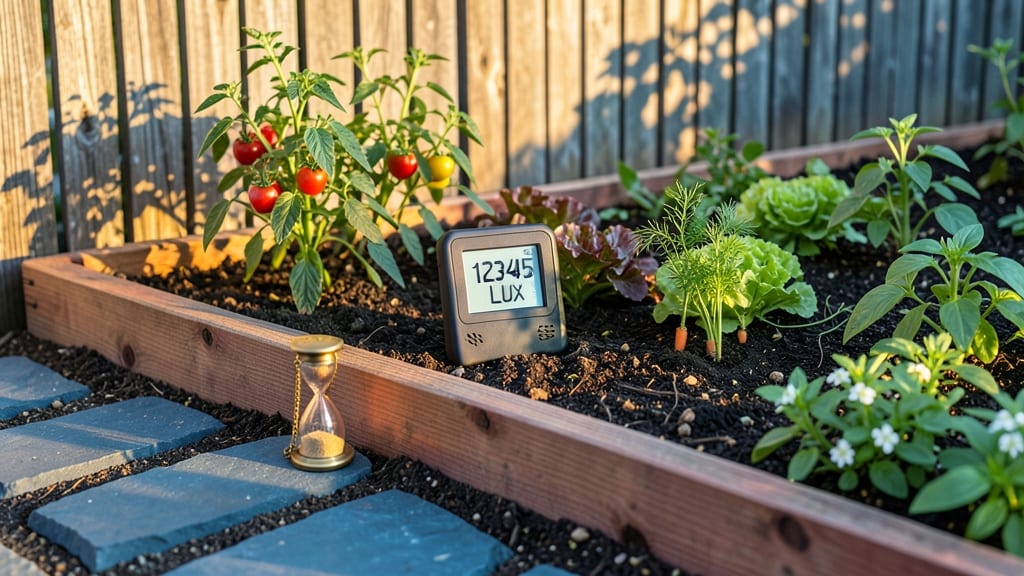
A vegetable garden needs 6 to 8+ hours of sun daily to thrive—though some plants like leafy greens can handle just 3 to 4 hours of shade.
Wondering why your tomato plants are wilting while your lettuce thrives? The answer lies in sunlight—and getting it right can mean the difference between a bountiful harvest and a disappointing garden.
But how many hours of sun does a vegetable garden really need? The truth is, it depends entirely on what you’re growing.
Too little sun and your tomatoes won’t ripen; too much, and your spinach bolts before you can harvest. The key is matching each plant to its ideal light conditions, whether that’s full sun for peppers or partial shade for radishes.
Below, I’ll break down the exact hours your garden needs, how to measure sunlight in your space, and how to adjust for maximum yield—no guesswork required.
From assessing your garden’s light to optimizing layouts for mixed conditions, you’ll learn the simple tricks that make all the difference. Let’s get started!


Sunlight requirements for vegetable gardens: full sun vs. partial shade breakdown
Understanding how many hours of sun your vegetable garden needs is the first step to avoiding common pitfalls like stunted growth or bolting greens.
Most gardeners assume "full sun" means all-day sunlight, but the truth is more nuanced. Tomatoes and peppers thrive with 8+ hours of direct light, while leafy greens like spinach can handle just 3-4 hours.
The key is matching your plants to their ideal light conditions—and your garden’s actual sunlight patterns.
I’ve seen many gardeners overestimate their garden’s sunlight, especially in northern climates where summer sun peaks early. A 6-hour exposure in June might drop to 4 hours by September.
That’s why I always recommend testing your space before planting. Use a sunlight tracker or observe shadows at different times of day to map your garden’s light zones accurately.
Here’s the critical breakdown: Full sun (6-8+ hours) is non-negotiable for fruiting vegetables like cucumbers and eggplants, while partial shade (3-6 hours) suits cool-season crops such as kale or radishes. Low-light conditions (<3 hours) are rare for vegetables, but some herbs like parsley can tolerate them. The table below clarifies these ranges with real-world examples.
| Vegetable Type | Sunlight Needs | Growth Implications | Examples |
|---|---|---|---|
| Full Sun Lovers | 8+ hours | Maximize fruit/flower production; poor yield in shade | Tomatoes, Peppers, Corn, Cucumbers |
| Partial Sun | 6 hours | Balanced growth; avoid midday heat stress | Green Beans, Carrots, Beets, Basil |
| Partial Shade | 3-6 hours | Prevents bolting; ideal for cool seasons | Lettuce, Spinach, Radishes, Parsley |
| Low Light | <3 hours | Slow growth; limited to shade gardens | Arugula, Chard, Some Herbs |
One of the biggest misconceptions is that 6 hours of sun is enough for "full sun" plants. In reality, tomatoes and peppers often struggle with less than 7 hours, especially in hot climates where plants need afternoon shade to prevent sunburn.
I’ve had to relocate my indeterminate tomatoes to a dappled shade spot during peak summer to save them from wilting.
Climate zones also play a huge role. In Zone 5 or colder, your garden might get longer daylight hours in summer but shorter, weaker light in winter. That’s why I plant cool-season crops like kale in early spring or fall—they thrive in partial shade when summer sun is intense.
Meanwhile, southern gardens (Zones 8+) can handle full sun year-round for most vegetables.
For container gardens or urban balconies, sunlight needs become even more critical. A south-facing balcony might get 6 hours of sun, but rotating containers seasonally can extend that to 8 hours during summer. I’ve
How to calculate sunlight hours in your garden and adjust for plant success
Getting sunlight right in your garden isn’t just about guessing—it’s about precision. Too little sun and your tomatoes won’t ripen; too much, and your leafy greens bolt prematurely. The key is measuring sunlight accurately and adapting your garden layout.
Start by observing your space during the peak growing months (June-August in most zones) to get a true picture of sunlight patterns.
Many gardeners make the mistake of assuming "full sun" means all-day sunlight, but the reality is more nuanced. For example, a 6-hour sun spot in summer might shrink to just 3 hours in winter due to lower sun angles.
Urban gardens face extra challenges, like buildings or trees casting shifting shadows. I’ve learned to map my garden’s sunlight in both summer and winter to avoid surprises.
- 🌱 Full Sun (6+ hours): Tomatoes, peppers, cucumbers, corn, and squash thrive here. These plants need 6-8+ hours of direct sun daily to produce fruit or reach full maturity.
- 🌿 Partial Sun (3-6 hours): Leafy greens like spinach, kale, and lettuce prefer 3-6 hours of sun, especially in hot climates. Too much sun causes bolting or bitter flavors.
- 🌳 Partial Shade (2-3 hours): Root vegetables like carrots, radishes, and beets do well with 2-3 hours of sun. They prioritize soil quality over sunlight.
- ⚠️ Low Light (<2 hours): Avoid planting sun-loving crops here. Instead, opt for herbs like parsley or cilantro, which tolerate minimal sun.
- 📏 Seasonal Adjustments: Winter sunlight is 30-50% weaker than summer. A spot with 8 hours of sun in July might only get 4 hours in December.
To measure sunlight accurately, use a simple sunlight tracker. Place a white stake or flag in your garden bed and mark the shadows every hour from sunrise to sunset.
Repeat this for a week to account for cloudy days. Apps like Sun Surveyor or Gardenate can also map your garden’s sunlight patterns using your location and the date.
Once you’ve mapped your garden, adjust your planting layout to match each plant’s needs. For example, place tomato plants in the sunniest spots and lettuce in partial shade. If your space is limited, use vertical gardening—trellises for cucumbers or pole beans can maximize sunlight exposure for climbing plants.
I’ve even used reflective mulch to bounce extra light onto shade-prone areas.
Don’t forget to account for seasonal changes. In winter, move shade-loving plants to sunnier spots if possible, or protect them with row covers. Urban gardeners can use lightweight mirrors or reflective surfaces to redirect sunlight into shady corners.
The goal is flexibility—your garden should adapt as much as your plants do.
With these tools and a little observation, you’ll transform guesswork into a data-driven garden. The result? Healthier plants, higher yields, and fewer wilting surprises. Happy gardening! 🌱