
Tools
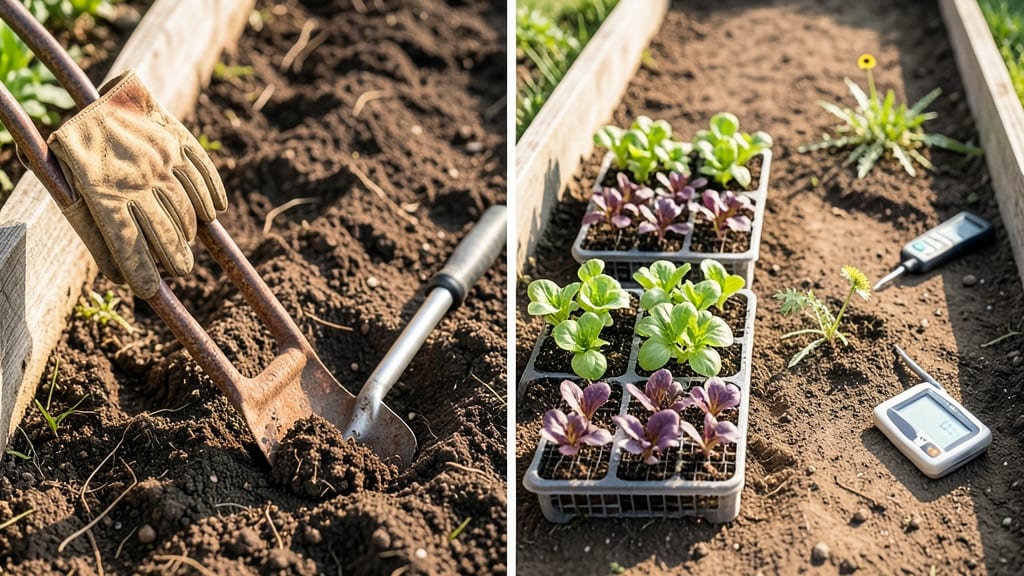
You don’t always have to till a garden—skipping it preserves soil structure, prevents erosion, and maintains organic matter, though tilling helps break up compacted soil and eliminate weeds for easier planting. Your choice should align with your soil type, garden goals, and long-term care approach.
Many gardeners assume tilling is essential, but the truth is that no-till methods can actually improve soil quality over time. 🌱 When you skip tilling, you encourage beneficial microbial activity and protect the delicate soil ecosystem that traditional tilling often disrupts.
This approach is particularly valuable in clay-heavy soils or areas prone to erosion, where tilling can actually worsen compaction. The key is understanding your soil's specific needs—some gardens thrive without disturbance, while others benefit from occasional, shallow tilling to maintain aeration.
That said, there are scenarios where tilling becomes necessary. Heavy clay soils or gardens overrun with weeds often require tilling to create a workable planting surface. Timing matters too—spring tilling can help prepare beds, but avoid tilling when soil is wet to prevent creating a hardpan.
The right tools, like broadforks or no-till attachments, can make a significant difference in minimizing soil damage while still achieving your gardening goals.
💡 In This Article
- How No-Till Gardening Benefits Soil Health
- When and How to Till a Garden Effectively
How no-till gardening benefits soil health
No-till gardening works by leaving soil undisturbed, which creates a stable environment for beneficial microbes and earthworms. These organisms break down organic matter more efficiently, releasing nutrients slowly over time.
Studies show that no-till methods can increase soil organic matter by 20-30% compared to tilled soil, as tilling exposes organic material to oxidation and decomposition. The result? A richer, more fertile soil that retains moisture better and resists erosion from wind and rain.
One of the biggest advantages is carbon sequestration. When you till, you release stored carbon from soil aggregates into the atmosphere. No-till practices help lock carbon back into the soil, where it belongs.
Research from the Rodale Institute found that no-till plots sequestered 500 pounds of carbon per acre per year more than tilled plots. This not only improves soil health but also helps combat climate change by reducing greenhouse gas emissions.
Another key benefit is reduced soil compaction. Tilling can create a hardpan layer at 6-12 inches deep, making it difficult for roots to penetrate. No-till methods preserve the natural soil structure, allowing roots to grow deeper and access more nutrients.
You'll notice plants in no-till gardens often have stronger stems and better drought resistance because their roots can explore a larger volume of soil.
Weed control is another common concern, but no-till gardens actually suppress weeds naturally. The dense plant cover from mulch or ground covers blocks sunlight, preventing weed seeds from germinating. Over time, this reduces the weed seed bank in your soil by up to 90%.
Plus, the lack of disturbance means fewer weed seeds are brought to the surface where they can sprout.
For gardeners with clay-heavy soils, no-till is a game-changer. Tilling clay creates clumps that harden when dry and become impermeable when wet. No-till methods allow the natural soil biology to gradually improve soil structure over time. You'll see better water infiltration and drainage without the need for constant mechanical intervention.
If you're new to no-till, start with a small bed and use thick mulch (like straw or wood chips) to protect the soil surface.
The transition period may require more initial weed control, but the long-term benefits for your soil's health and your garden's productivity make it worth the effort. 🌱